


From the graphic design archive:

From the graphic design archive:
From the graphic design archive:
From the graphic design archive:

Advertising Design, Design Archive Feature, Designer Profiles, Members Only Content
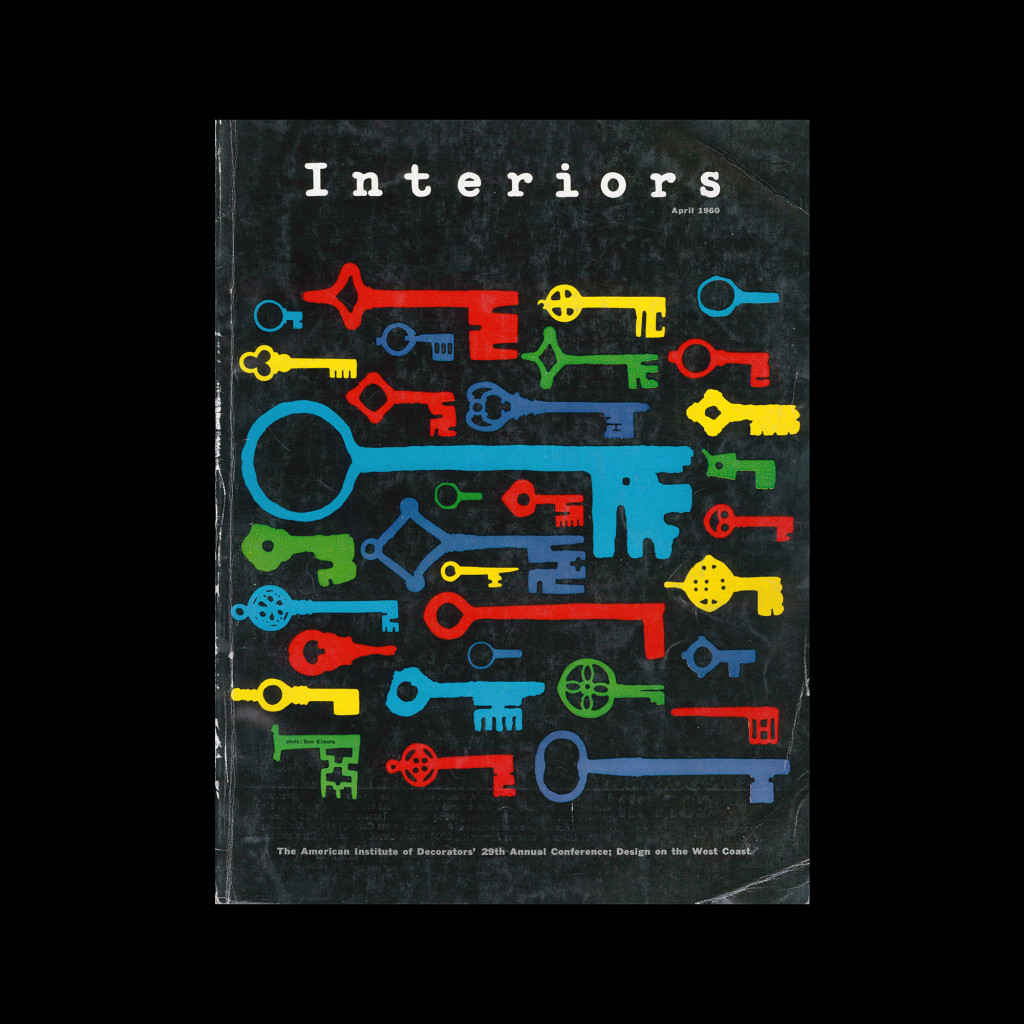
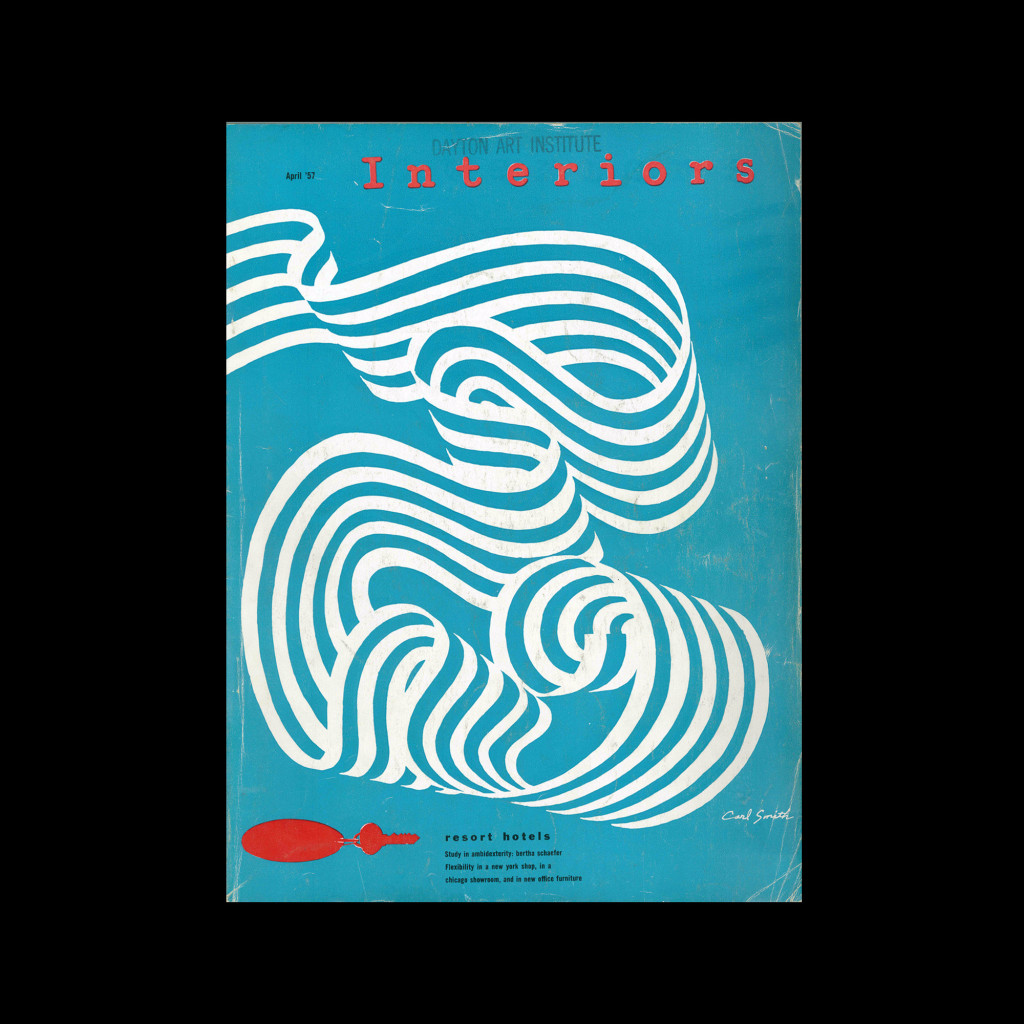
Joseph Binder translated machine-age aesthetics into refined Art Deco compositions. These magazine covers have become prime examples of American commercial modernism.
Read Article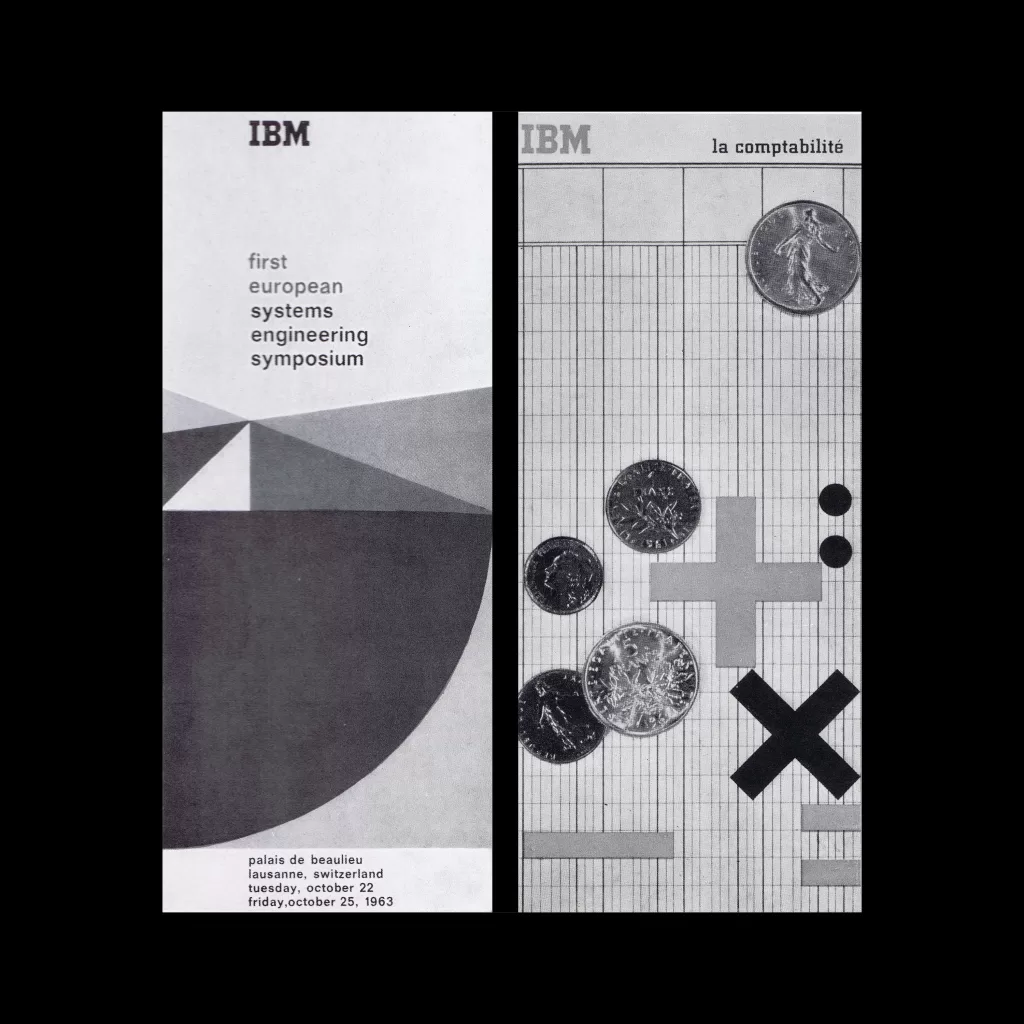
Advertising Design, Corporate Identity & Branding, Design Archive Feature, Regional Histories
IBM puts a premium on functional design, forms and colours which make it far easier for the potential customer to gain an insight. In this respect the IBM methods are exemplary. The IBM already opened studios of artistic and graphic design for its German and Italian offices and a few years ago another such studio was established in Paris. Frank René Testemale was entrusted with its organisation and was appointed its business and art director.
Read Article
Advertising Design, Design Archive Feature, Members Only Content, Regional Histories
These advertisements marked a move away from the illustrated American ads of glamour and American life, and instead used modernist principles and illustrated animals and characters to have a friendlier, more distinctive style of communication.
Read Article