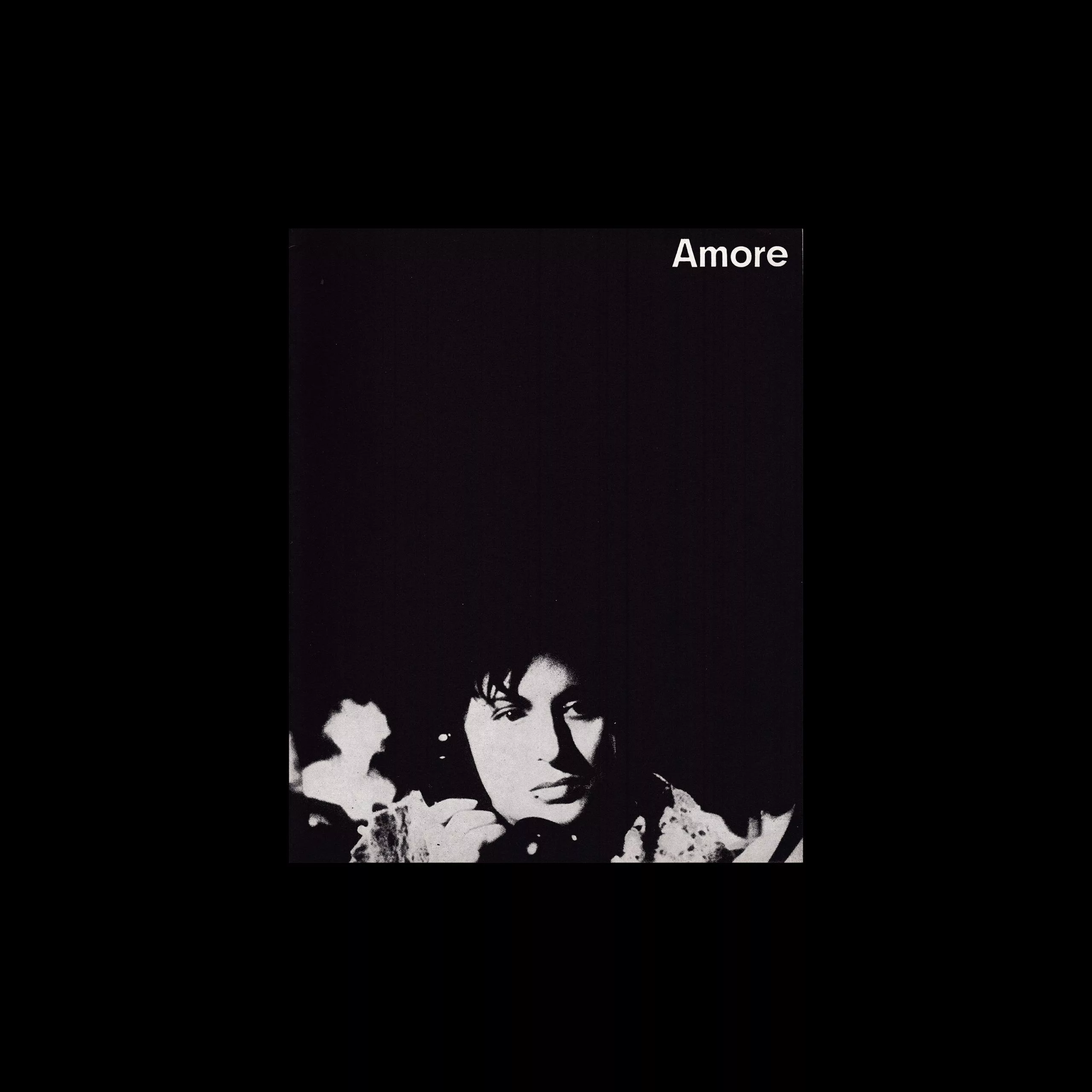
 Amore. Die Kleine Filmkunstreihe 23, 1962. Designed by Hans Hillmann

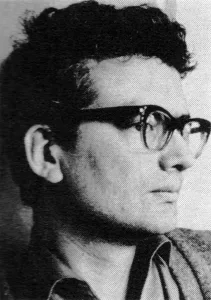
Amore. Die Kleine Filmkunstreihe 23, 1962. Designed by Hans Hillmann
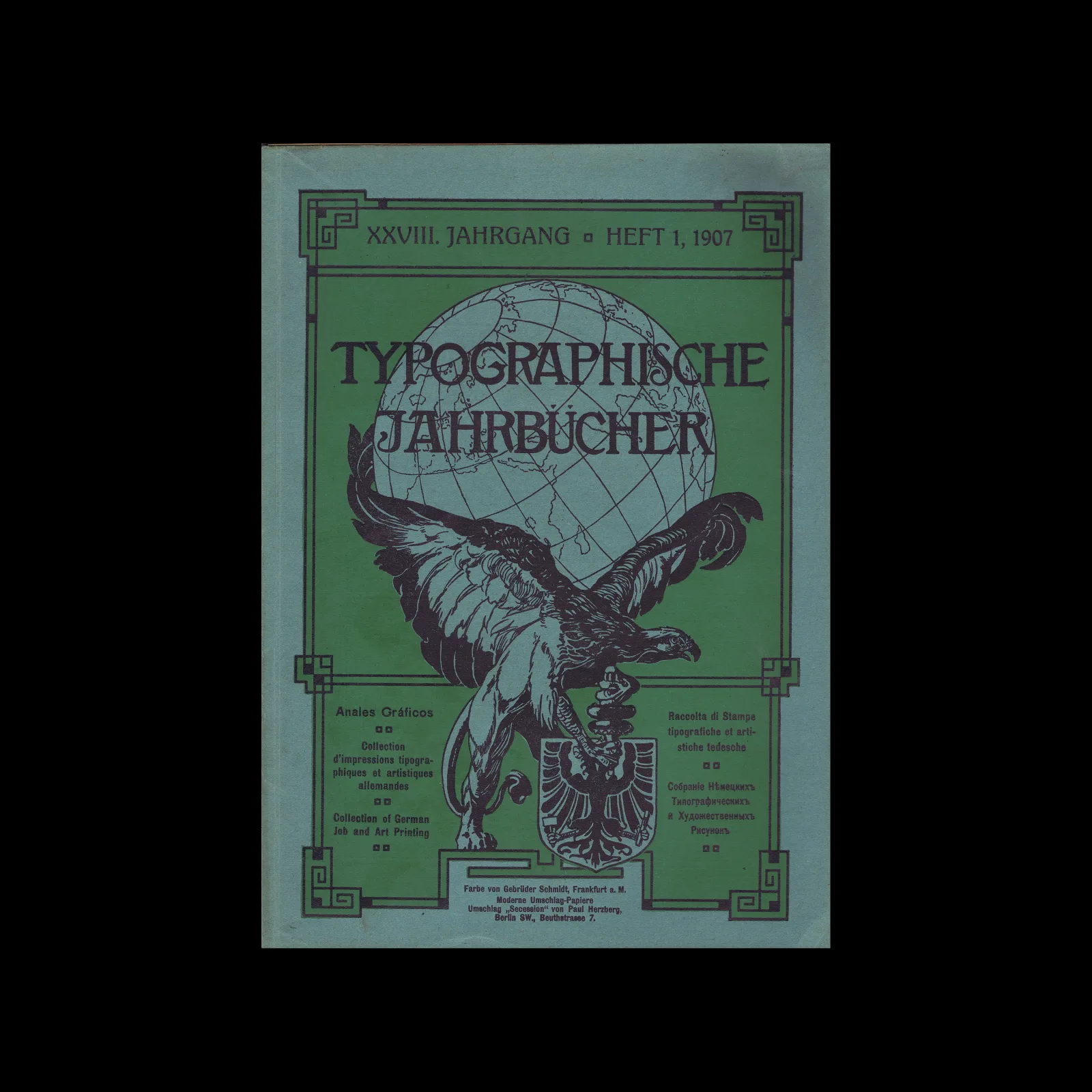
From the graphic design archive:

From the graphic design archive:
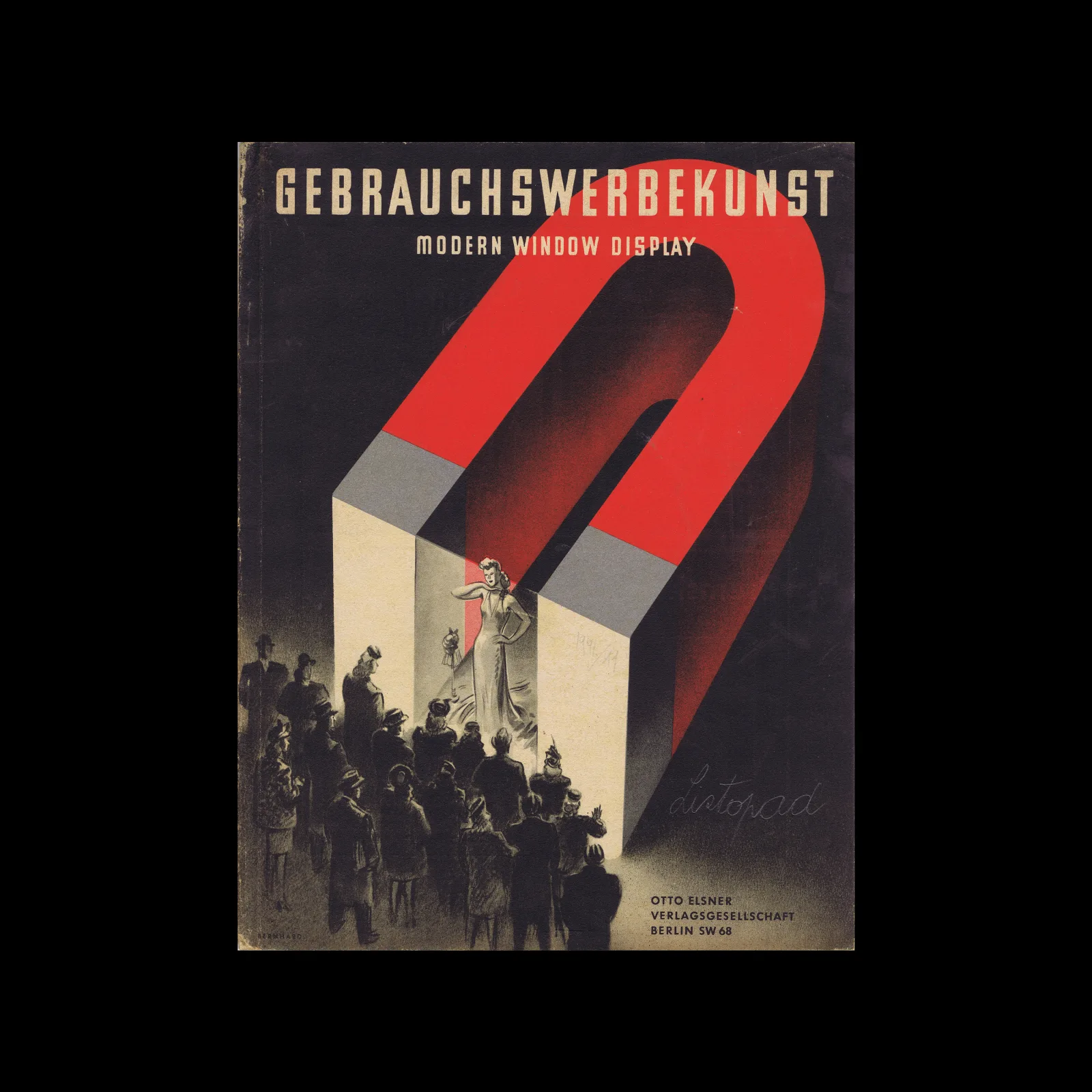
From the graphic design archive:

From the graphic design archive:

Design Archive Feature, Designer Profiles, Members Only Content, Regional Histories
Rudolph de Harak designed over 50 record covers for Westminster Records as well as designing covers for Columbia, Oxford and Circle record labels. His bright, geometric graphics can easily be distinguished and recognised.
Read Article
Design Archive Feature, Ephemera, Members Only Content, Regional Histories
The designer is unstated on these postcards, which were designed during the mid to late 1970s, but these playful illustrations alongside what looks to be Frankfurter Bold definitely fit the criteria of friendliness and efficiency
Read Article
Design Archive Feature, Illustration, Members Only Content, Regional Histories
George Giusti designed around forty releases for Command, complementing the work of other designers like Josef Albers, S. Neil Fujita, Rudolph de Harak, and Charles E. Murphy.
Read Article