Architectural Design, August 1961

Cover design by Theo Crosby based on John Ernest’s Wall in the Press Room of the International Union of Architects Headquarters Building, South Bank, London.

Details

Theo Crosby
Theo Crosby was a designer, architect, sculptor and writer. He was born in 1925 and from 1953-62 he was the Technical Editor of Architectural Design and from 1973-1994 he was a founding partner of Pentagram Design. Explore related designers including Alan Fletcher and Colin Forbes. See also Pentagram and British Modernism.
Architectural Design
Architectural Design (AD) is a UK-based architectural journal that was first published in 1930 under the name Architectural Design and Construction. Currently published by John Wiley & Sons, it has been edited by Helen Castle since 2001.

Linked Information

Architectural Design, August 1961. Cover design by Theo Crosby
More graphic design artefacts
More graphic design history articles
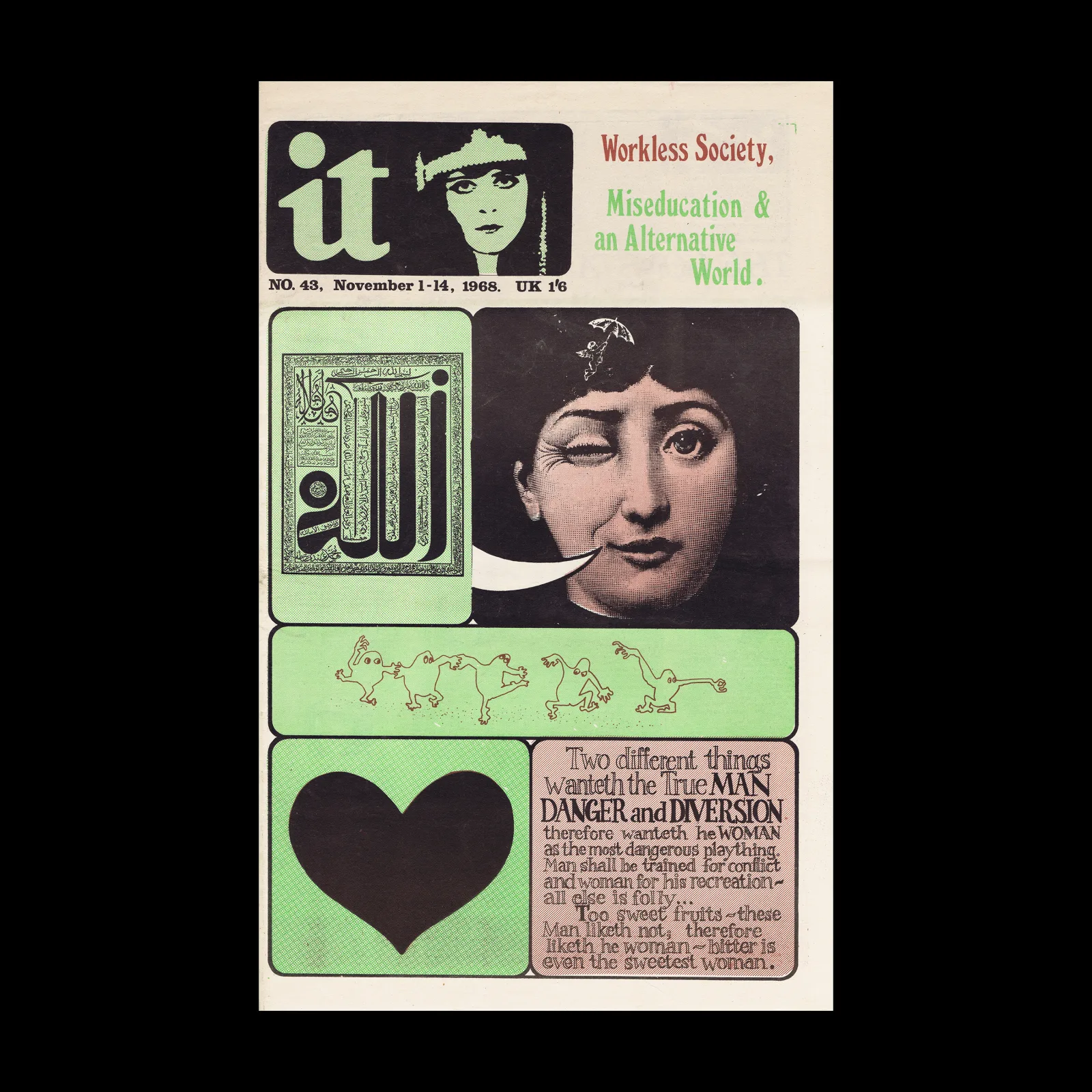
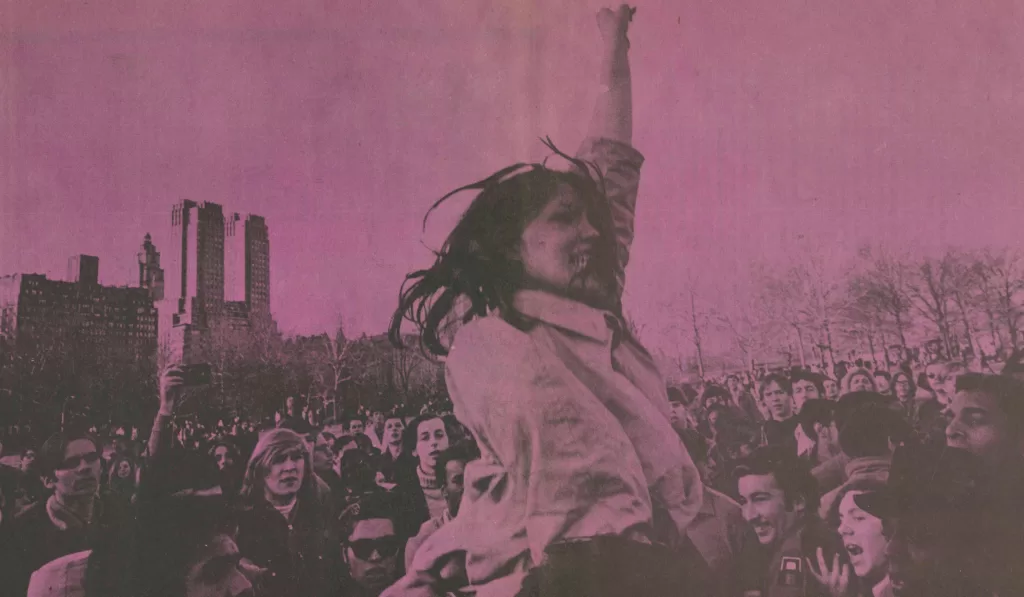
1960s Counter-Culture Publications: Voices of Change, Rebellion, and Liberation

Design & Politics, Design Archive Feature, Members Only Content, Movements, Regional Histories

1960s Counter-Culture Publications: Voices of Change, Rebellion, and Liberation

The 1960s was an era characterised by political, social, and cultural shifts. The counterculture movement emerged as a response to the perceived failures of the mainstream establishment, sparking a wave of activism and alternative ideologies. And with these an array of printed matter. Counterculture publications, often referred to as the "underground press," became powerful platforms for dissent, expression, and the exploration of new ideas.

Read Article
Abstract Publicity – Self-Advertisements of the Stuttgarter Nachrichten by Fritz Seitz, 1963

Advertising Design, Design Archive Feature, Members Only Content

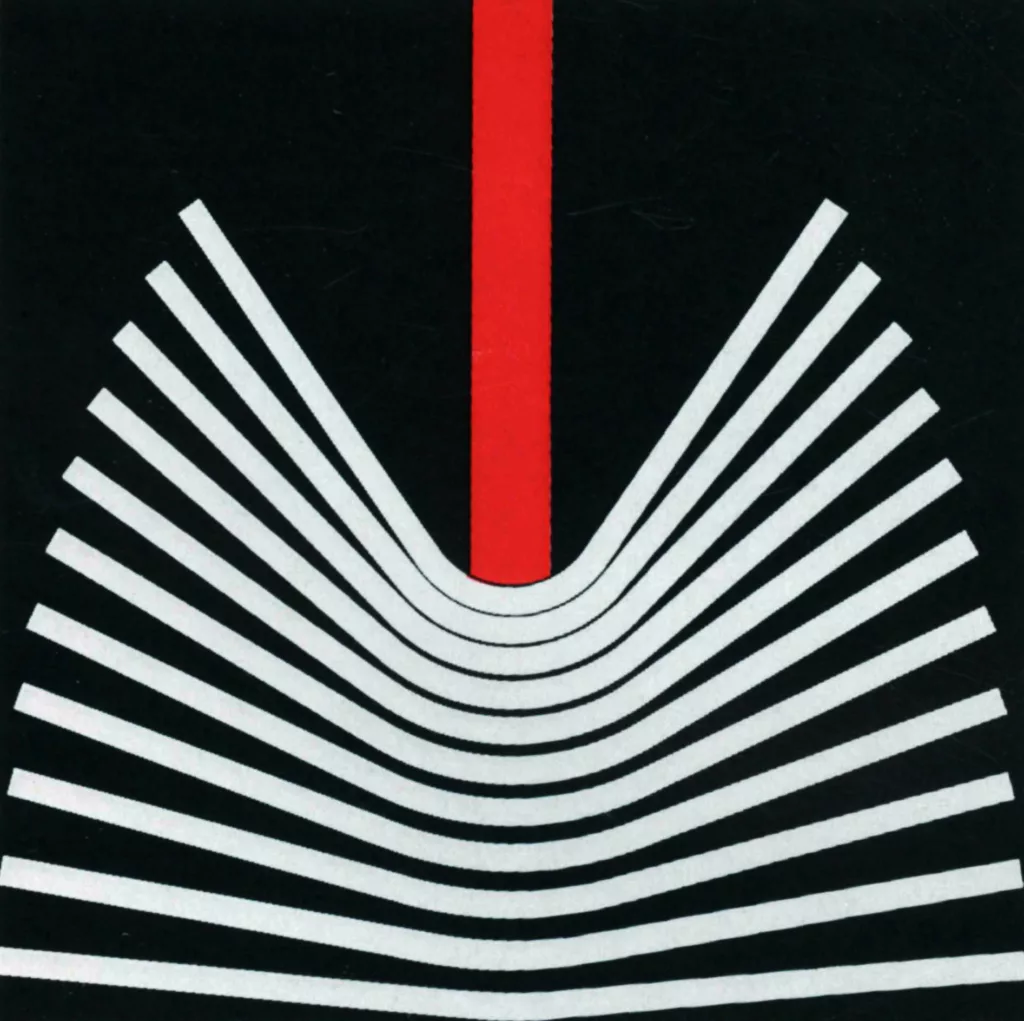
Abstract Publicity – Self-Advertisements of the Stuttgarter Nachrichten by Fritz Seitz, 1963

The graphic designer had to create a series of ads whose new publicity effects were to confirm or accentuate the already existing • image • of the paper. In this case, the planning was not based on a would-be psychological analysis of the reading public.

Read Article
Katia Pecoraro: The dualism between system and freedom, design and life.

Designer Interview

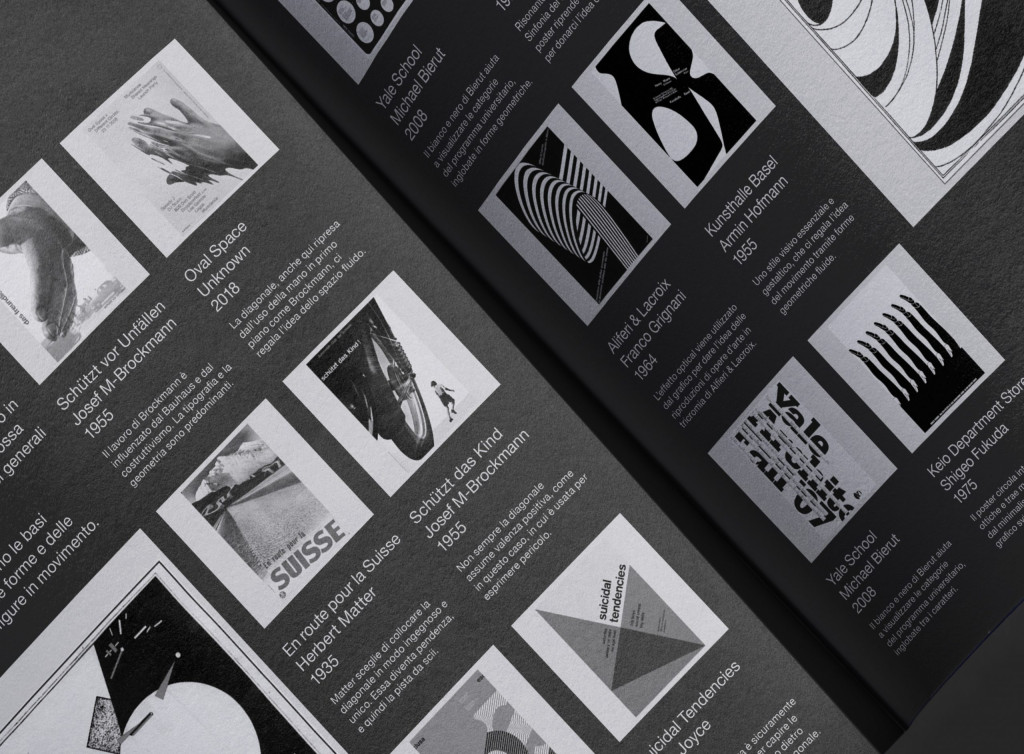
Katia Pecoraro: The dualism between system and freedom, design and life.

"Talking about myself as a designer is something that requires a powerful dialogue with my life experiences. In a radical way, I apply an exercise in which design forms become projections of life, extensions of meaning that constantly involve senses."

Read Article