

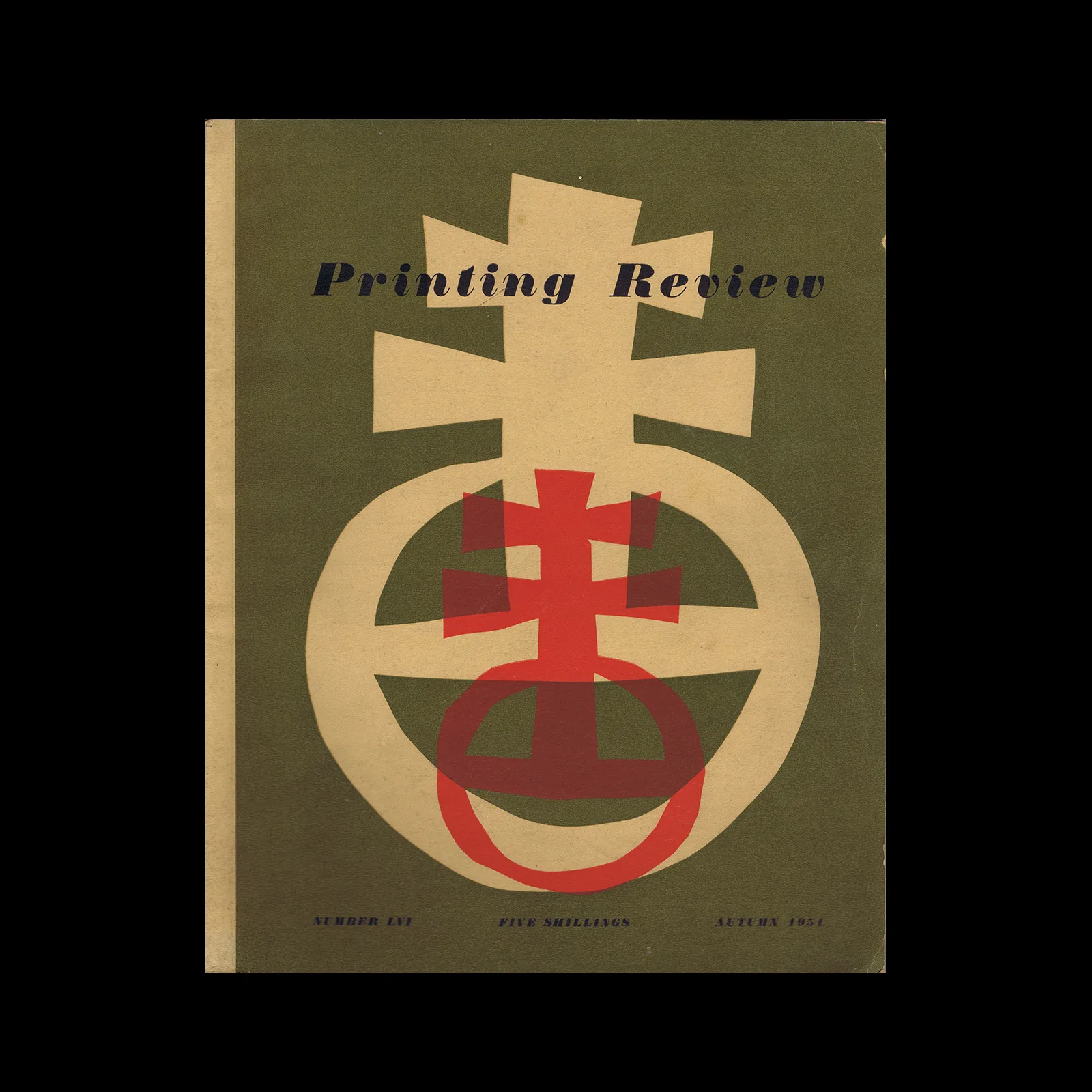
From the graphic design archive:
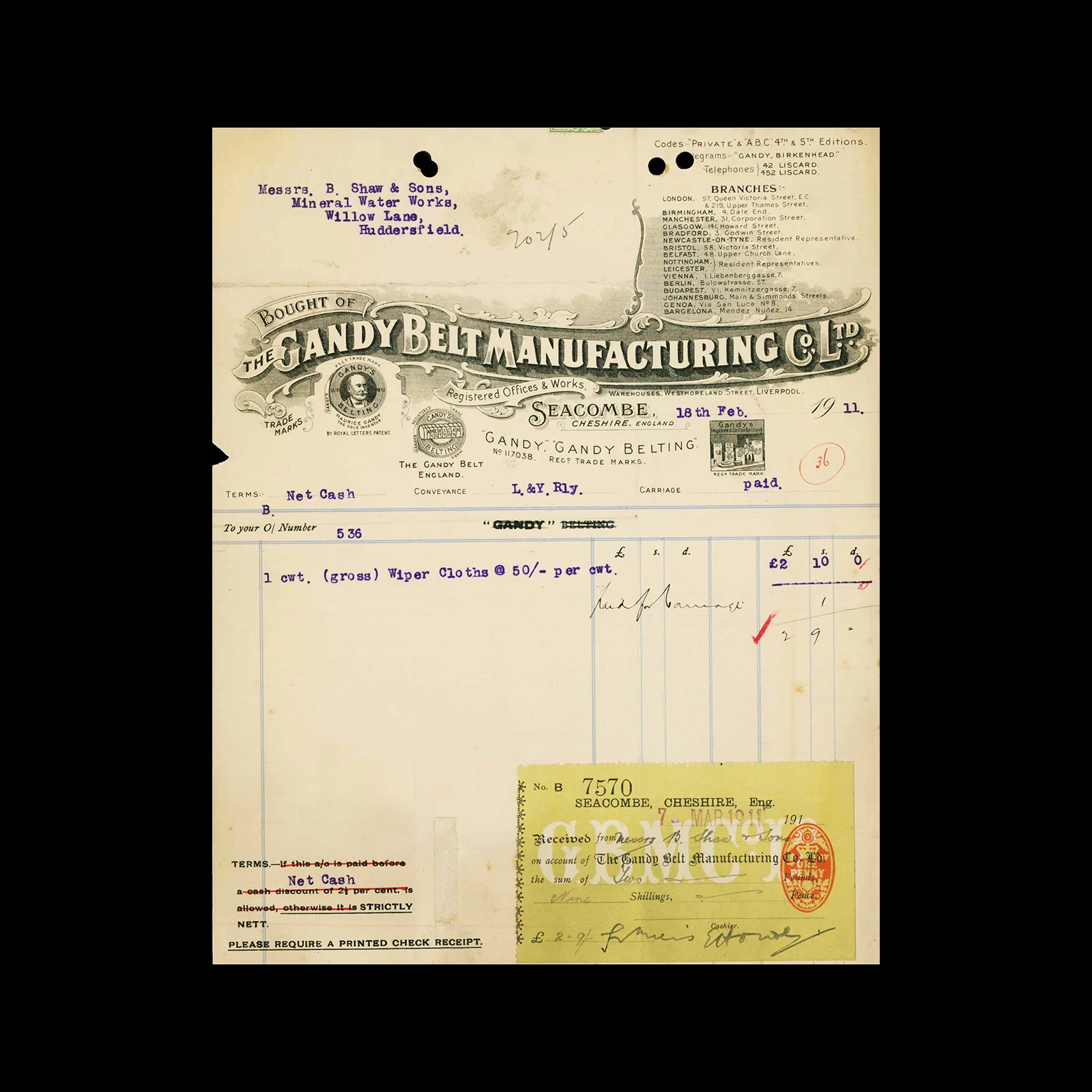
From the graphic design archive:

From the graphic design archive:
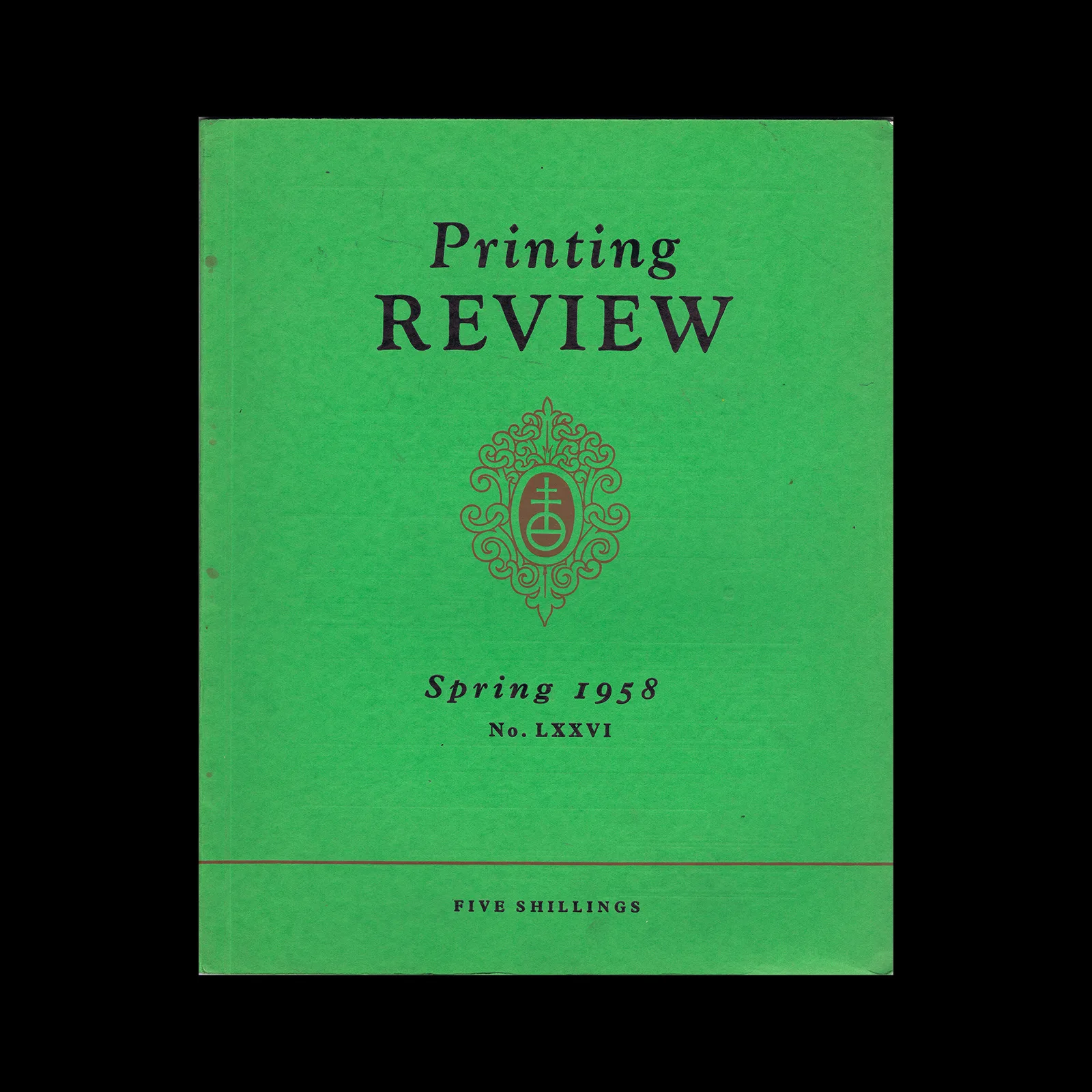
From the graphic design archive:

Advertising Design, Design Archive Feature, Members Only Content, Regional Histories
Wolfgang Bäumer's advertising design for Bayer, Klöckner Works and the Lottery. His adaptable design aesthetic alongside his skills of convening messaging through visuals are fantastic examples of mid-century German graphic design.
Read Article
Design Archive Feature, Members Only Content, Poster Design, Regional Histories
The best poster designs from Die besten Plakate des Jahres 1956 with a translated foreword by Jakob Rudolf Welti. Featuring the work of Herbert Leupin, Carl B. Graf, Carlo Vivarelli and Emil Ruder.
Read Article
Design Archive Feature, Designer Profiles, Members Only Content, Regional Histories
Yoshio Hayakawa is one of Japan’s most influential post-war poster designers. His work represents a fusion of traditional Japanese art and European modernism often using soft, poetic brushstrokes and refined colour palettes and capturing the elegance of Japanese aesthetics while integrating the clean lines and bold visual language of Western design.
Read Article