
From the graphic design archive:
From the graphic design archive:

From the graphic design archive:
From the graphic design archive:

Design Archive Feature, Magazines & Publishing, Members Only Content
The supplement in the November issue of Der Druckspiegel from 1964 featured a ton of work designed by Peter Steiner, a graphic artist; Peter Beck, his colleague; and Rolf Herkner, a photographer. The three of them worked in collaboration to design ‘graphic-typographic-photographic experiments’.
Read Article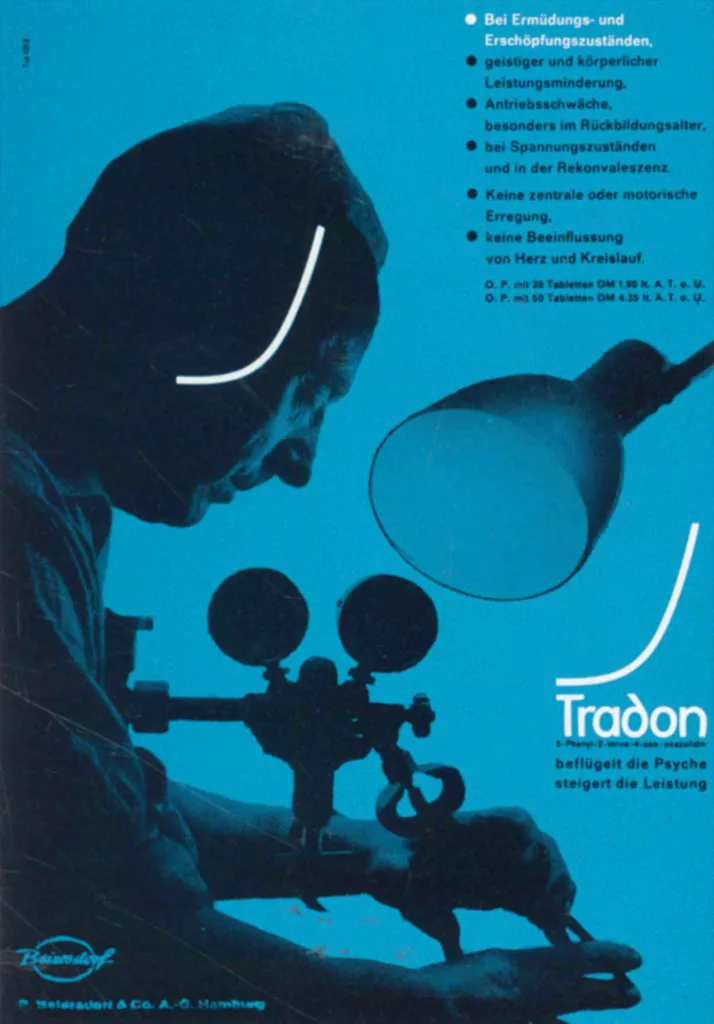
Advertising Design, Design Archive Feature
In Rau's case, the combination of graphic design and photo produces a particularly positive result, since he uses the photo not so much as an object of representation but rather as a suggestive means of expression.
Read Article
Design Archive Feature, Members Only Content, Movements, Regional Histories
Japanese modern design was heavily influenced by European art movements, particularly modernism and the Bauhaus school. As Japan's advertising industry expanded, it increasingly drew from Western culture, especially television and film, resulting in designs that were eclectic, vibrant, and infused with modernist energy.
Read Article