
Edited by Museum für Gestaltung, Zürich
With contributions by Catherine de Smet, Henri Gaudin
Design: Integral Lars Müller
16,5 x 24,0 cm, 6 ½ x 9 ½ in
64 pages, 54 illustrations
paperback
2005, 978-3-03778-054-1, German/English/French
“One of the most innovative French graphic designers, Catherine Zask’s posters have the elegance and coherence of DNA, and indeed she works with the building blocks of writing and communication letters. Here, in Poster Collection 12, the series from the Museum of Design Zürich, she allows the letters free rein to be musical, to trigger echoes, to store images, but never unmoors them from their task of providing written communication in an appropriate and comprehensible form. The dialogue with the client and the public is crucially important to Zask: “I make graphics to include the others.” Her work for SCAM (Société Civile des Auteurs Multimédia), the Hippodrome theater in Douai, and the École d’Architecture Paris-Malaquais are evidence of the remarkable clarity and unmistakable individuality of her work.” Lars Müller Publishers

Design Archive Feature, Members Only Content, Movements
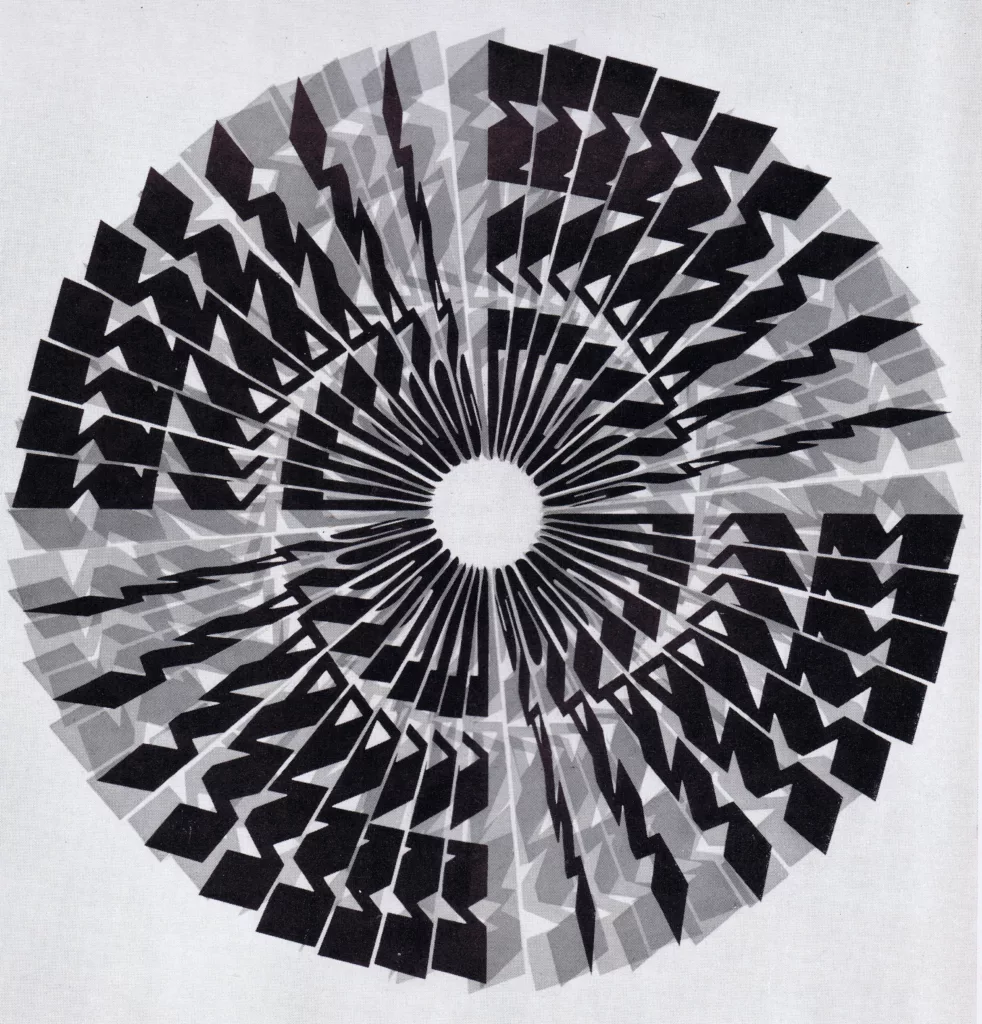
Kinetic art refers to art the depends on movement for its desired effect and is closely related to op art. Upon scanning a few of the inner inserts from the Kinetics exhibition catalogue from the Hayward Gallery, London, 1970, I came across these five small manifestos on kinetic art.
Read Article
Design Archive Feature, Designer Profiles, Members Only Content, Regional Histories
A few years ago the publicity department of Siam di Tella found a collaborator who early in his studies of architecture was attracted by the problems of visual art. His name is Guillermo González Ruiz he was born in Chascomus (Province of Buenos Aires) in 1937. Between 1957 and 1960 he received 18 awards in poster competitions, some of which were of particular importance.
Read Article
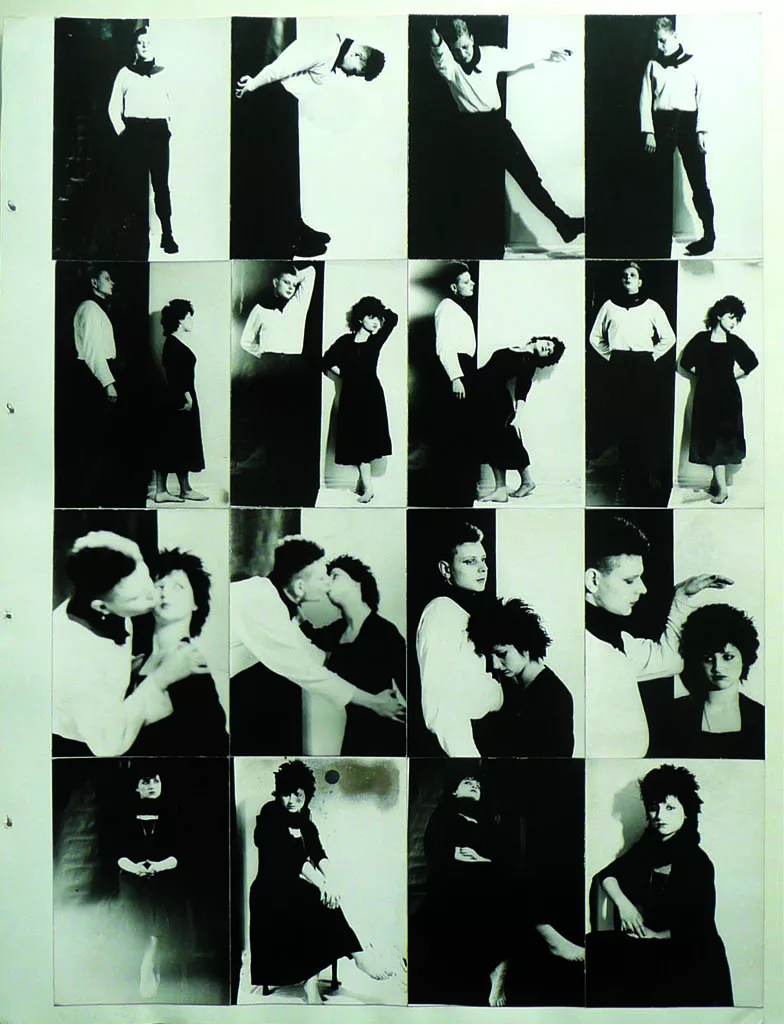
Parallel Public is a new publication by Sara Blaylock, published by MIT Press. The book documents the East German artists pioneering work that made their country’s experimental art scene a form of (counter) public life.
Read Article