
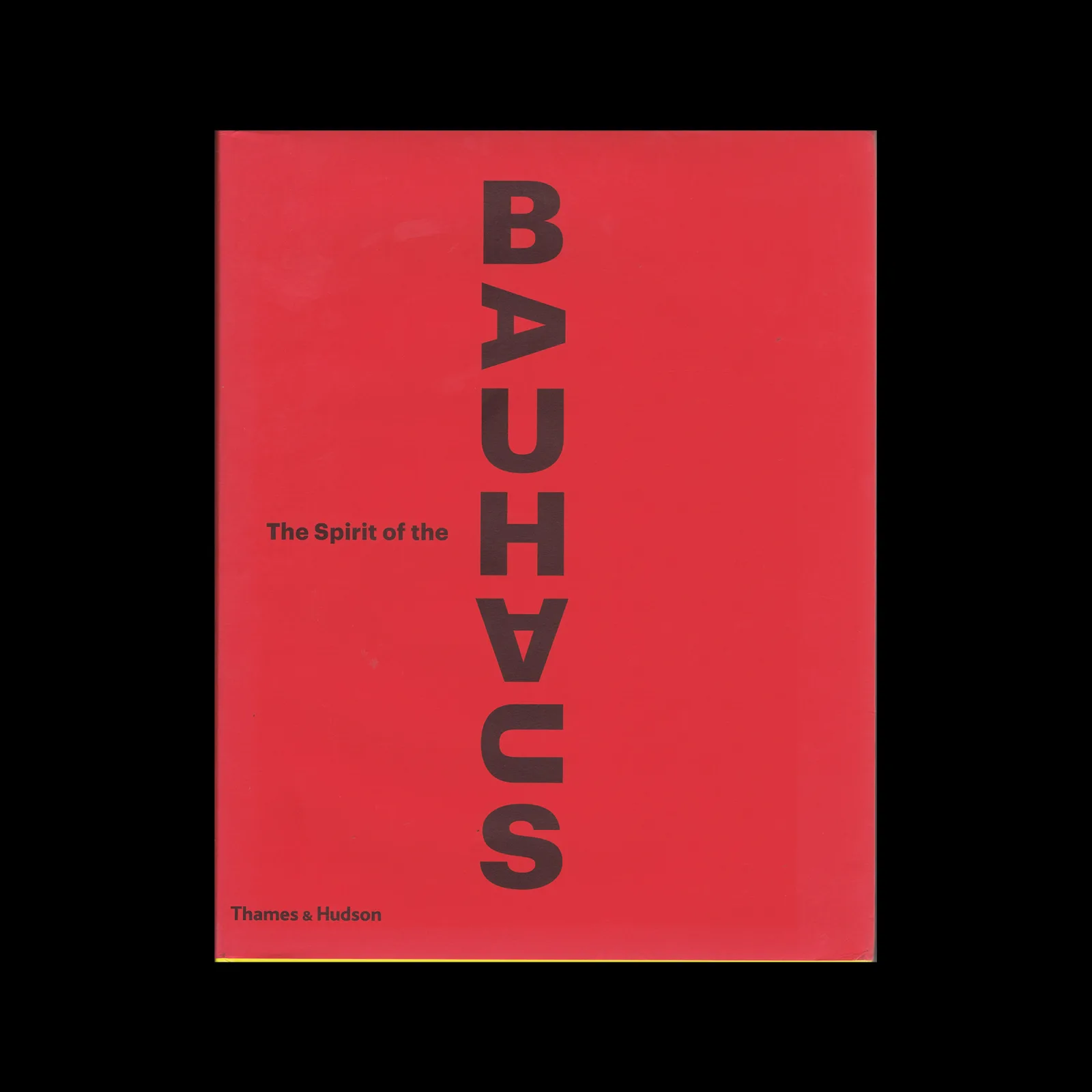
Das schöpferische Erbe des Bauhauses, 1919-1933, Institut für angewandte Kunst, 1963

Details

  • Format Book
  • Designer/s Josef Albers (Artwork on Cover)
  • Year 1963
  • Client/Publisher Institut für angewandte Kunst
Josef Albers (Artwork on Cover)
Josef Albers was an American-German artist and educator known for his geometric coloured paintings and his teachings and writing on colour theory. He studied at the Bauhaus and then joined as a teacher. Josef was married to Anni Albers and also designed furniture, glassware and sculpture. Explore related designers including László Moholy-Nagy and Herbert Bayer. See also Bauhaus, American Modernism, 1920s graphic design history.

Linked Information

Das schöpferische Erbe des Bauhauses, 1919-1933, Institut für angewandte Kunst, 1963
More graphic design artefacts
More graphic design history articles
Paul Prejza, Co-founder of the California Design Firm Sussman/Prejza, Dies at 87

Designer Profiles

Paul Prejza, Co-founder of the California Design Firm Sussman/Prejza, Dies at 87

Paul Prejza, whose influential design firm, Sussman/Prejza, helped expand the boundaries of graphic design through its seamless integration with architecture and public space, died on September 21, 2026, at St. John’s Hospital in Santa Monica, California. He was 87. The cause was complications from pneumonia.

Read Article
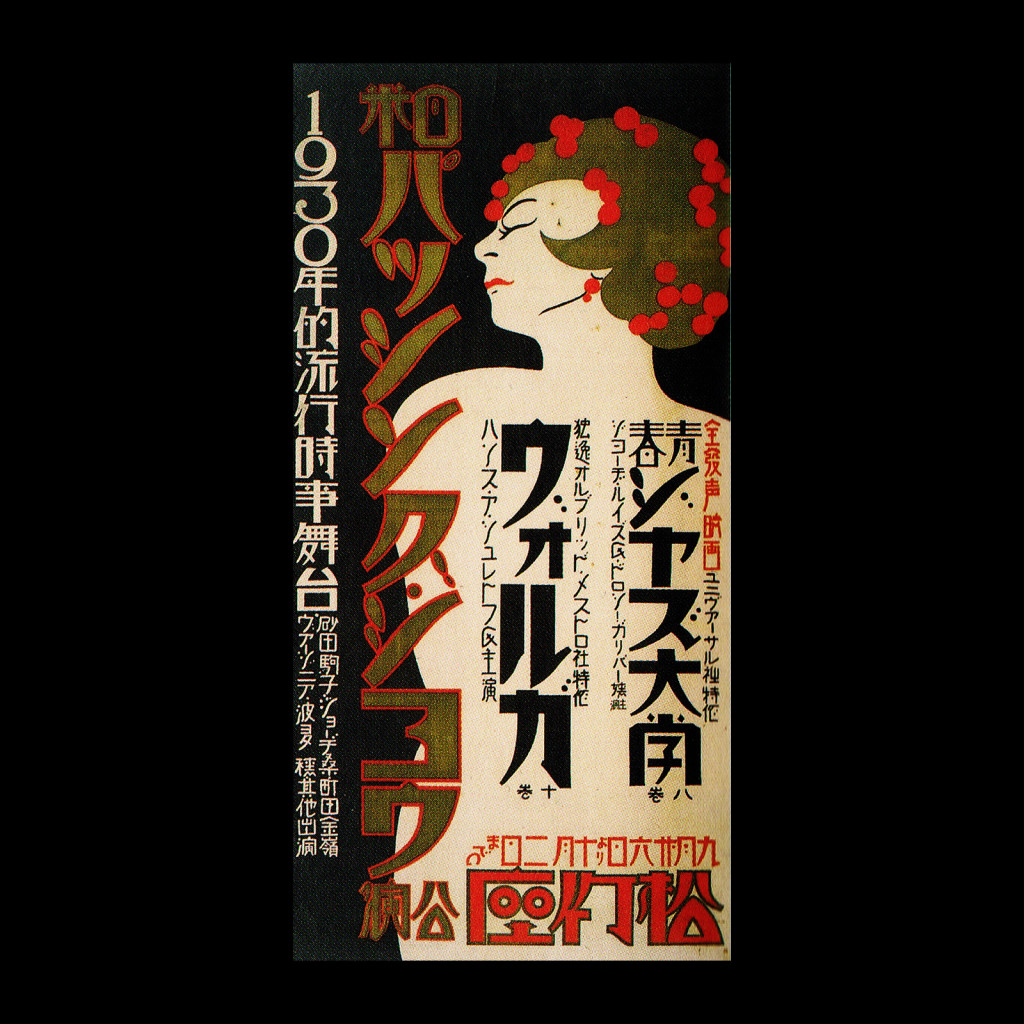
1920s Japanese Publicity Design of the Shochikuza Theatre

Design Archive Feature, Illustration, Members Only Content, Regional Histories

1920s Japanese Publicity Design of the Shochikuza Theatre

Japan's first foreign film venue, Shochikuza Theatre (1923) is an icon of Modernism. Its Art Deco-influenced advertising, showcased in the 1925 Shochikuza News magazine, offers a glimpse into Japans influences from the West.

Read Article
A Collection of Japanese Ephemera from the 1920s and 30s

Design Archive Feature, Ephemera, Members Only Content, Regional Histories

A Collection of Japanese Ephemera from the 1920s and 30s

Collected Japanese ephemera From the late 1920s to the mid-1930s, from Japan's transformative period, with its robust industrial force accompanied by an increase in consumer culture.

Read Article