Paul Schuitema

De 8 en Opbouw, 10e jaargang No 07, 1 April 1939

Important Dutch avantgarde periodical on architecture designed by Paul Schuitema

Details

Paul Schuitema
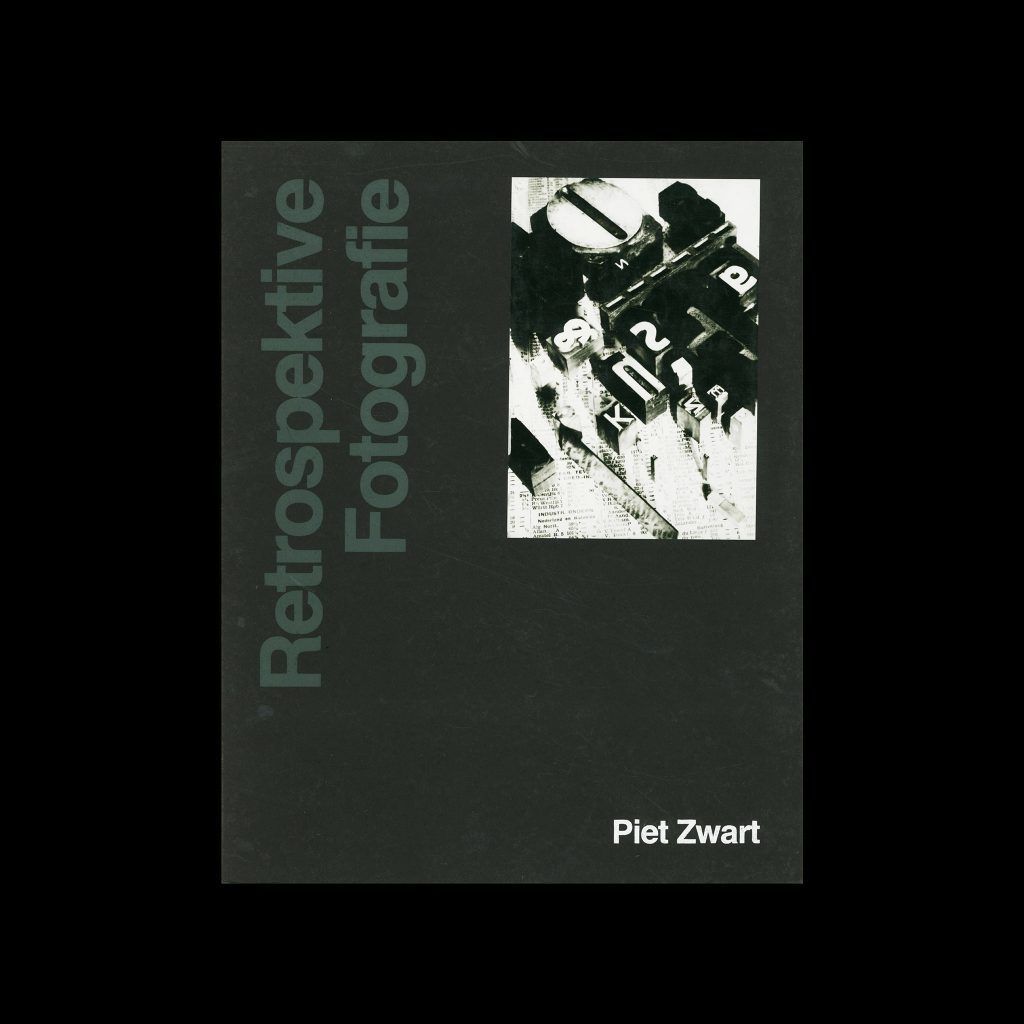
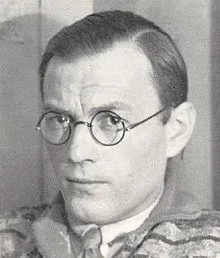
Paul Schuitema was a Dutch designer and artist and was a member of the Circle of New Designers, a group that included Moholy-Nagy, Herbert Bayer, and Jan Tschichold. He was a pioneer in modern typography in mass communication and quickly adopted the principles of Constructivism and Bauhaus after studying in Rotterdam. Explore related designers including Piet Zwart and Willem Sandberg. See also De Stijl, Dutch Modernism, and 1920s graphic design history.
De 8 en Opbouw
De 8 en Opbouw was a leading Dutch modernist magazine on architecture and design, designed by Paul Schuitema.

Linked Information

De 8 en Opbouw, 10e jaargang No 07, 1 April 1939
De 8 en Opbouw, 10e jaargang No 07, 1 April 1939. Designed by Paul Schuitema
Important Dutch avantgarde periodical on architecture designed by Paul Schuitema
More graphic design artefacts
More graphic design history articles
Rudolph de Harak and Westminster Records

Design Archive Feature, Designer Profiles, Members Only Content, Regional Histories

Rudolph de Harak and Westminster Records

Rudolph de Harak designed over 50 record covers for Westminster Records as well as designing covers for Columbia, Oxford and Circle record labels. His bright, geometric graphics can easily be distinguished and recognised.

Read Article
Dennis Bailey (Modernist Graphic Design in Britain 1945–1980)

Design Archive Feature, Designer Profiles

Dennis Bailey (Modernist Graphic Design in Britain 1945–1980)

A profile of British designer Dennis Bailey, featured in Modernist Graphic Design in Britain 1945–1980 by Ian McLaren and Tony Pritchard, exploring his early influences and role in shaping post-war modernist graphic design in Britain.

Read Article
Bauhaus Principles Today

Design Archive Feature, Design Education, Members Only Content, Movements

Bauhaus Principles Today

The Bauhaus approach to design emphasised simplicity, functionality, and the integration of modern technologies and materials. A century later, many of the principles taught at the school remain fundamental to contemporary design practices.

Read Article