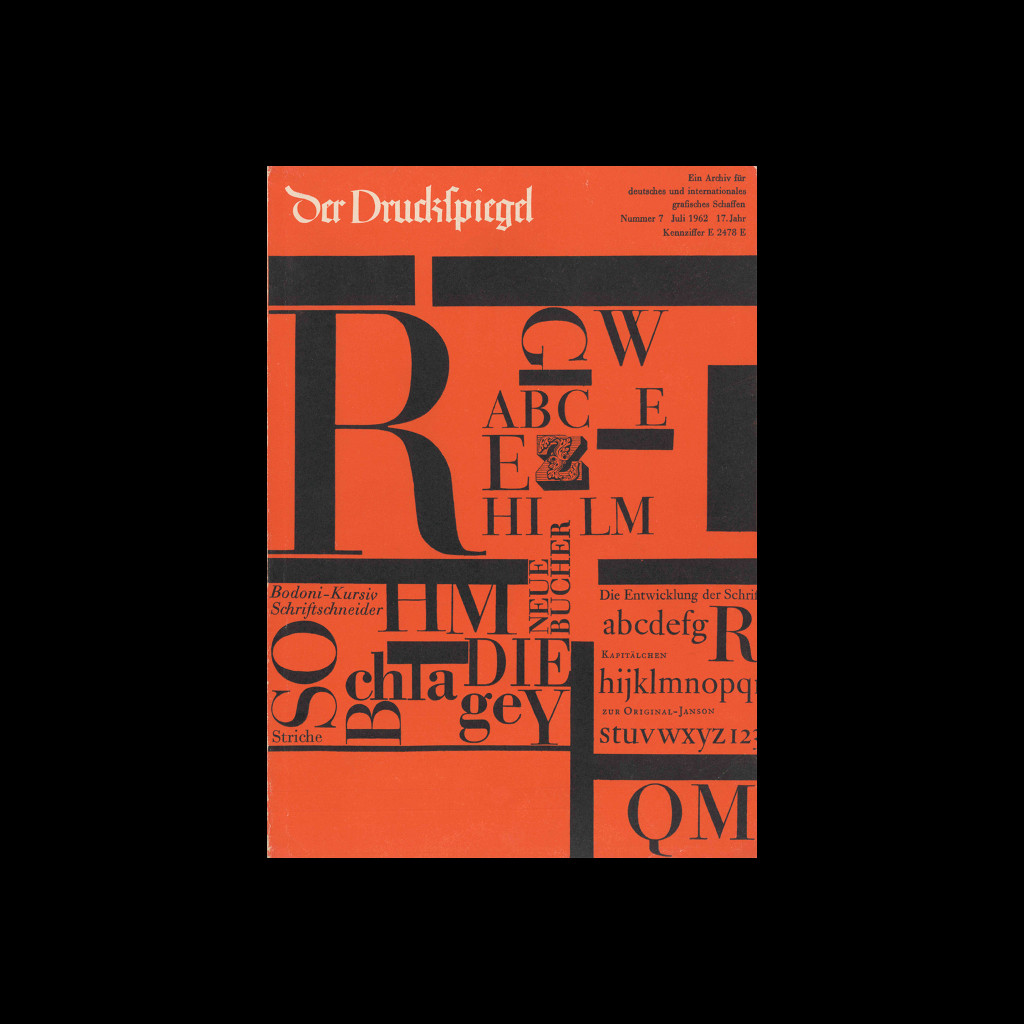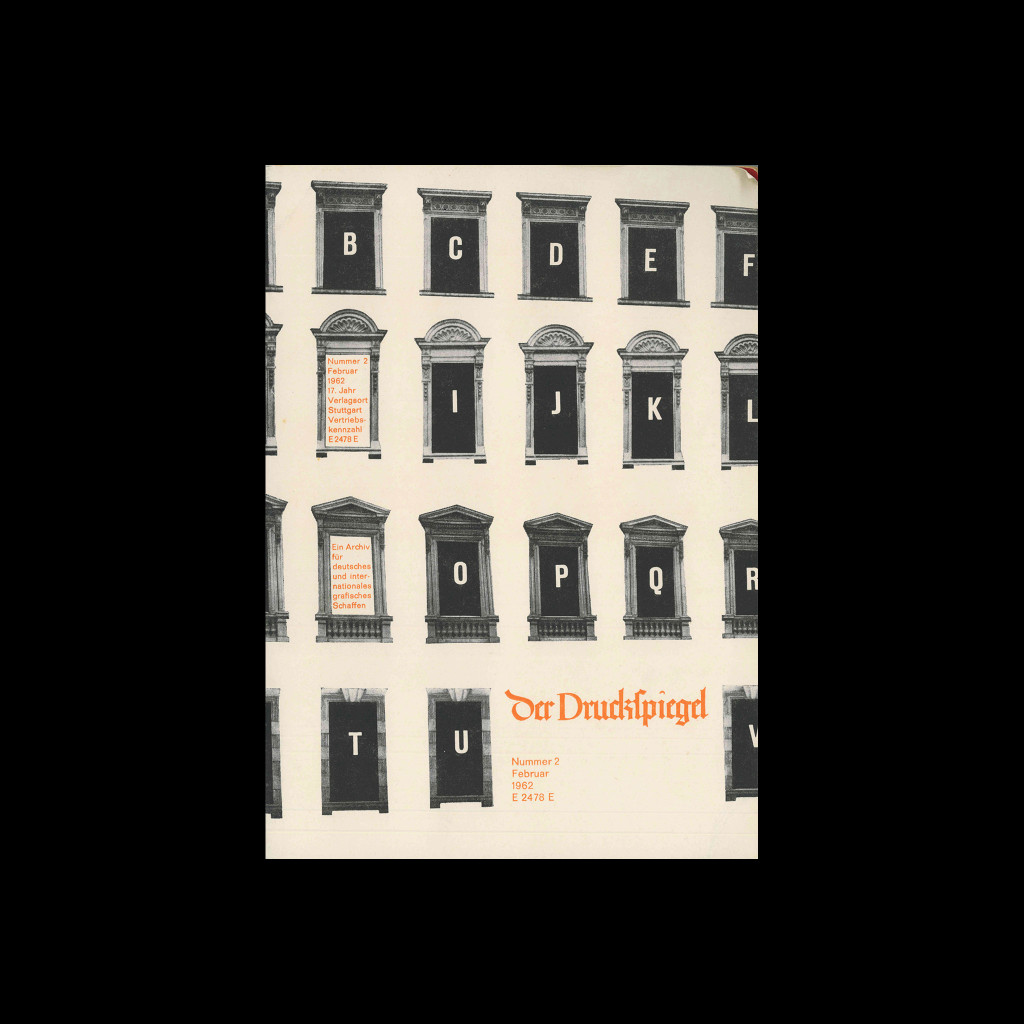
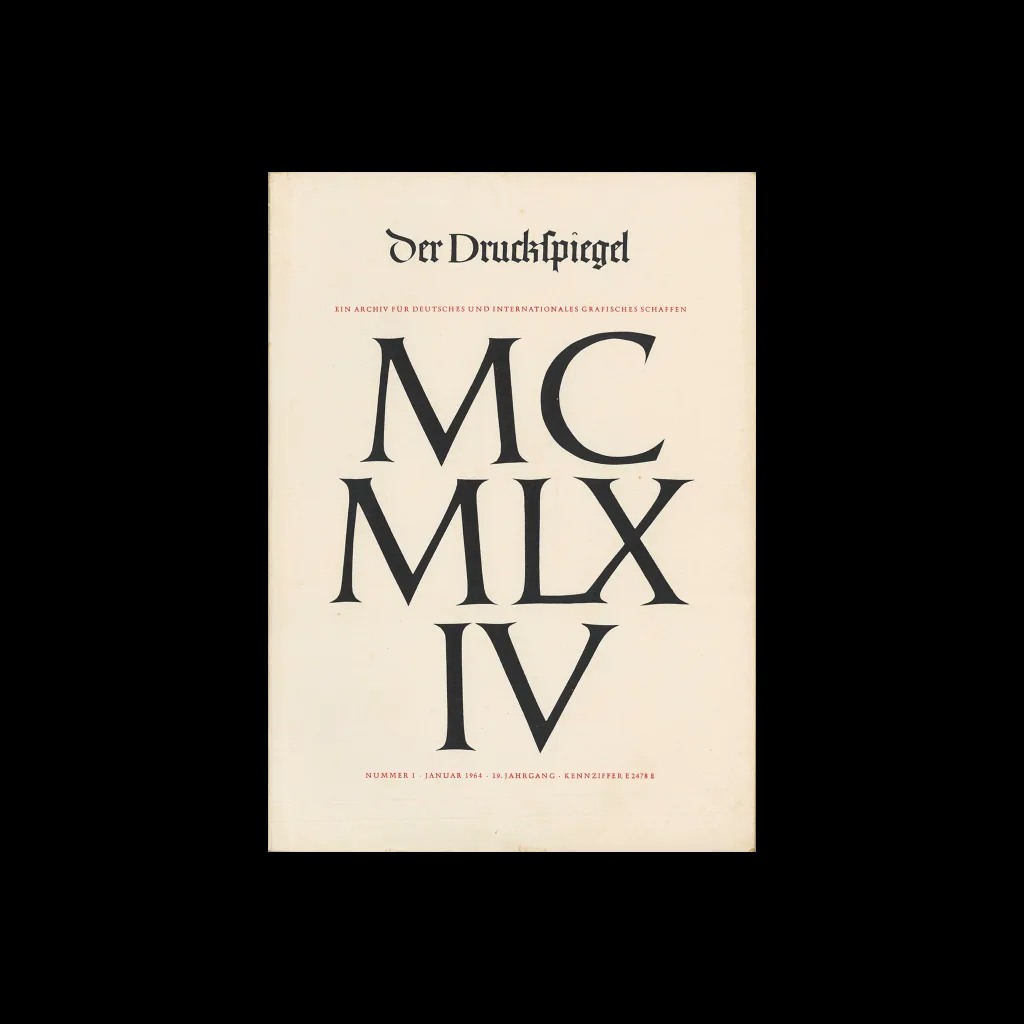
Der Druckspiegel, 05, May 1964

Details

Kurt Weidemann
Kurt Weidemann graduated in book graphics and typography at the State Academy of Fine Arts in Stuttgart. He worked as a graphic designer, advertising consultant and copywriter. Weidemann also worked as sub-editor and type manager for Der Druckspiegel magazine. His clients included COOP, Zeiss, Merk, Mercedes-Benz, Deutsche Bahn and Bundespost. Explore related designers including Otl Aicher and Erik Spiekermann. See also German graphic design history and 1960s graphic design history.
Der Druckspiegel
Der Druckspiegel is a German printing industry magazine focused on technology, type, and printing techniques.

Linked Information

Der Druckspiegel, 05, May 1964. Designed by Kurt Weidemann
More graphic design artefacts
More graphic design history articles
Industrial Advertisements. A selection of works from the book, Swiss Industrial Graphic Design

Advertising Design, Design Archive Feature, Members Only Content, Regional Histories

Industrial Advertisements. A selection of works from the book, Swiss Industrial Graphic Design

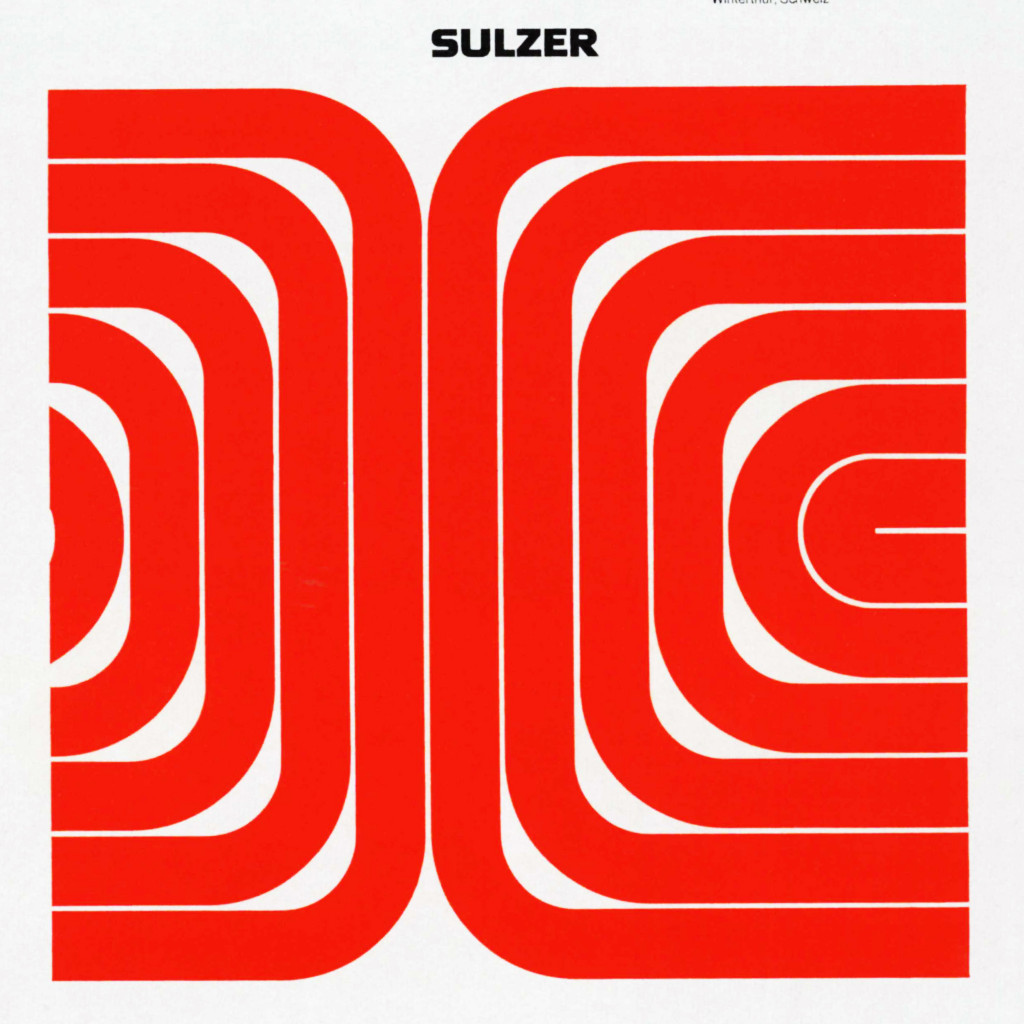
A short essay and scanned advertising from Swiss Industrial Graphic Design. A rare book focused on effective industrial promotion authored by Hans Neuburg. The design of the book is credited to Hans Neuburg and Walter Bangerter.

Read Article
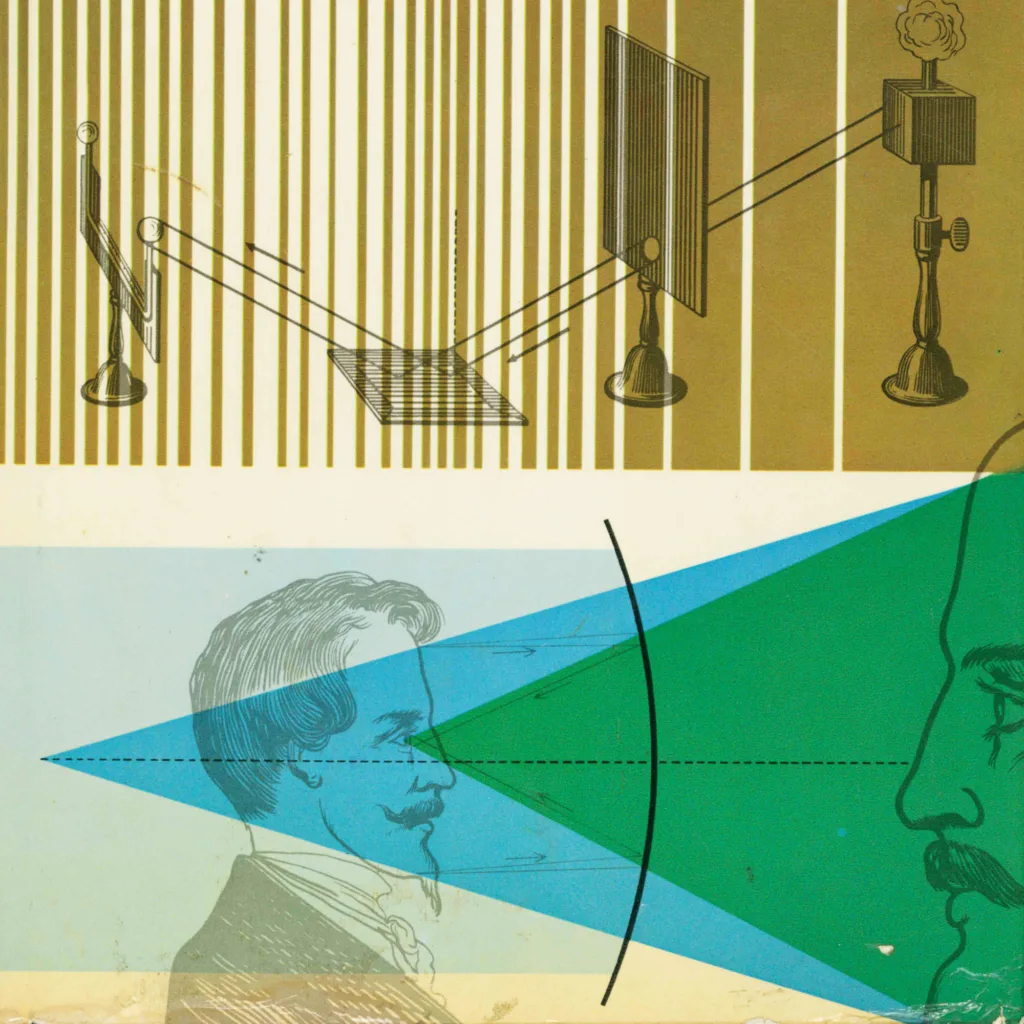
The New Illustrated Library of Science and Invention designed by Erik Nitsche

Design Archive Feature, Members Only Content

The New Illustrated Library of Science and Invention designed by Erik Nitsche

Erik Nitsche's notable book series, the New Illustrated Library of Science and Invention comprised twelve volumes and they are a fantastic example of how to design a perfect non-fiction book!

Read Article
Inspiring students from Leeds Beckett University

Workshops and Lectures

Inspiring students from Leeds Beckett University

Last month (March 2022), I spoke to over fifty Graphic Design undergraduates about the archive and my passion for design history, after which the students had full access to items in the collection and participated in discourse amongst their peers and lecturers. As part of their critical studies unit, the students will be producing essays and content related to the impact, history and aesthetics of selected artefacts.

Read Article