Alan Fletcher

Design, Council of Industrial Design, 139, July 1960

Details

Alan Fletcher
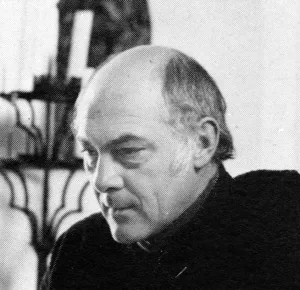
Alan Fletcher was born in Nairobi in 1931 and studied at the Central School of Arts and Crafts, the Royal College of Art and Yale. After working in New York, including for Fortune, he returned to London. In 1962 he set up Fletcher/Forbes/Gill with Colin Forbes and Bob Gill, which became Crosby/Fletcher/Forbes in 1965 and then Pentagram in 1972. His work was full of wit and ideas, from the Reuters and Victoria and Albert Museum logos to his book The Art of Looking Sideways (2001). He left Pentagram in 1992 to work independently and as art director for Phaidon. He died in 2006. The British Modernism section captures the movement he helped shape, while the United Kingdom archive reflects the broader design culture he worked within for much of his career. Browse the 1960s and 1970s decade pages to find work from the height of his influence.
Design (Council of Industrial Design)
Design was published by the Council of Industrial Design from the 1940s until the 1990s. It covers design policy, exhibitions, and products.

Linked Information

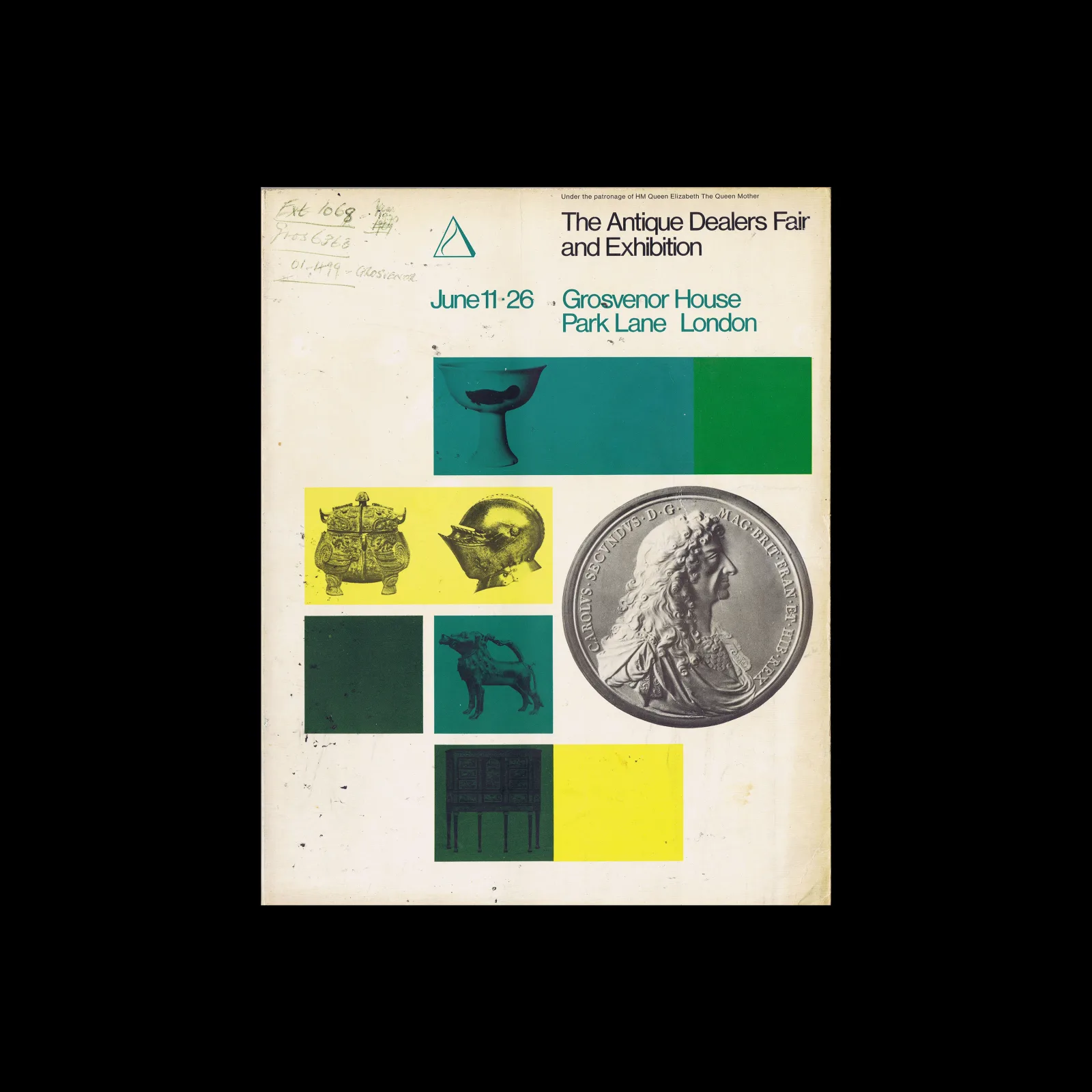
Design, Council of Industrial Design, 139, July 1960. Cover design by Alan Fletcher
More graphic design artefacts
More graphic design history articles
Why Graphic Culture Matters by Rick Poynor

Book Reviews & Press Releases

Why Graphic Culture Matters by Rick Poynor

Why Graphic Culture Matters is a compilation of 46 thought-provoking essays by renowned design critic Rick Poynor, delving into the realms of art, design, and visual communication.

Read Article
House Style – Why it important? by Alec Davis

Corporate Identity & Branding, Design Archive Feature

House Style – Why it important? by Alec Davis

House style can give identity to the diverse products or activities of a firm. It stimulates loyalty, helps to reduce costs, and has advertising value.

Read Article
Wim Crouwel and the Stedelijk Museum

Corporate Identity & Branding, Design Archive Feature, Designer Profiles, Members Only Content, Regional Histories

Wim Crouwel and the Stedelijk Museum

Crouwel was the successor to Willem Sandberg who used an avant-garde approach in his work, utilising torn-paper montage, mixing of sans serif and old Egyptian typefaces and often off-center positioning. Crouwel steered away from this artistic approach and implemented a cohesive design system and a strong identity that emulated the corporate identity boom of the 1950s and 60s.

Read Article