

From the graphic design archive:

From the graphic design archive:

From the graphic design archive:

Design Archive Feature, Members Only Content, Movements, Regional Histories
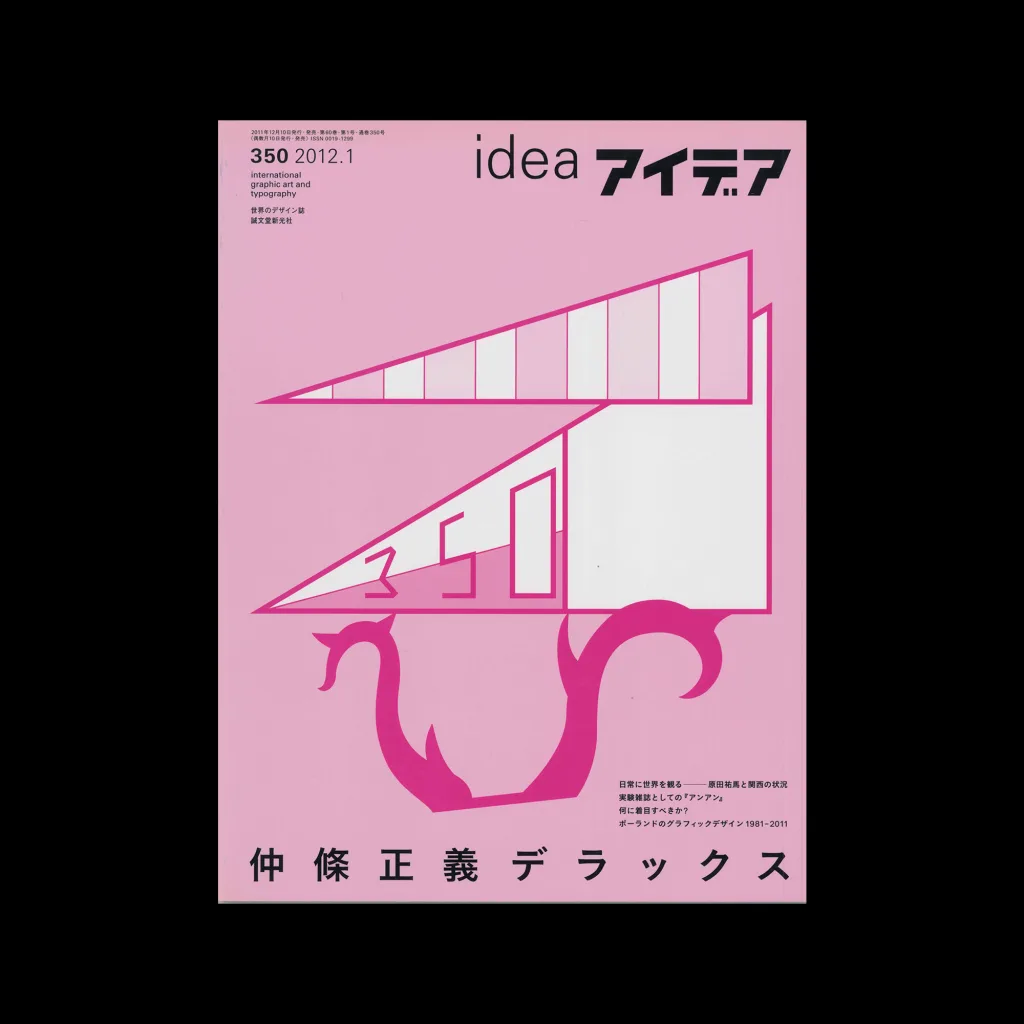
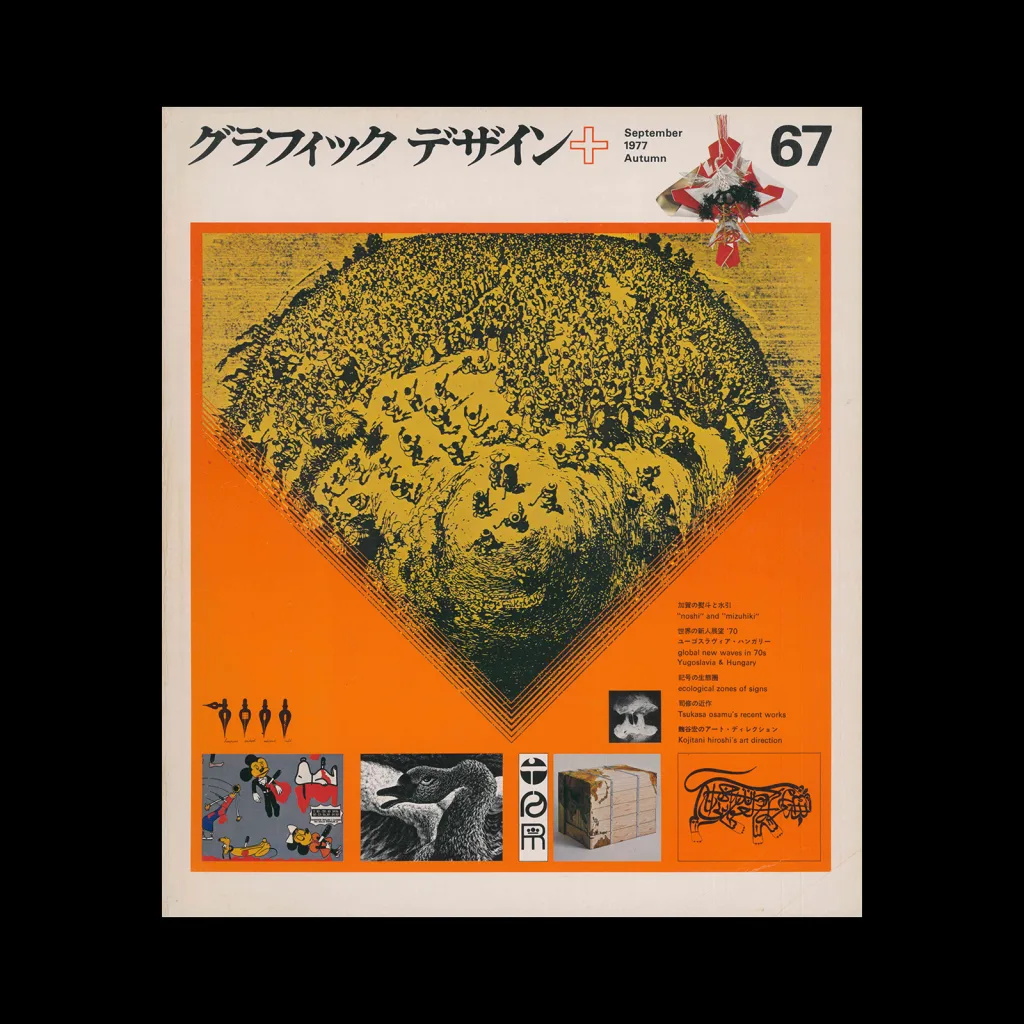
Japanese modern design was heavily influenced by European art movements, particularly modernism and the Bauhaus school. As Japan's advertising industry expanded, it increasingly drew from Western culture, especially television and film, resulting in designs that were eclectic, vibrant, and infused with modernist energy.
Read Article
Design Archive Feature, Advertising Design, Members Only Content
Omnibus was Published by the journalism working group of the Technical University of Braunschweig. A square publication measuring 290mm. The publication included features on politics, arts and culture. With advertisements carefully selected to be in keeping with the visual aesthetic. Content also included exhibition information and a fine example of concrete poetry, among artists such as Schröder-Sonnenstern and Sine Hansen.
Read Article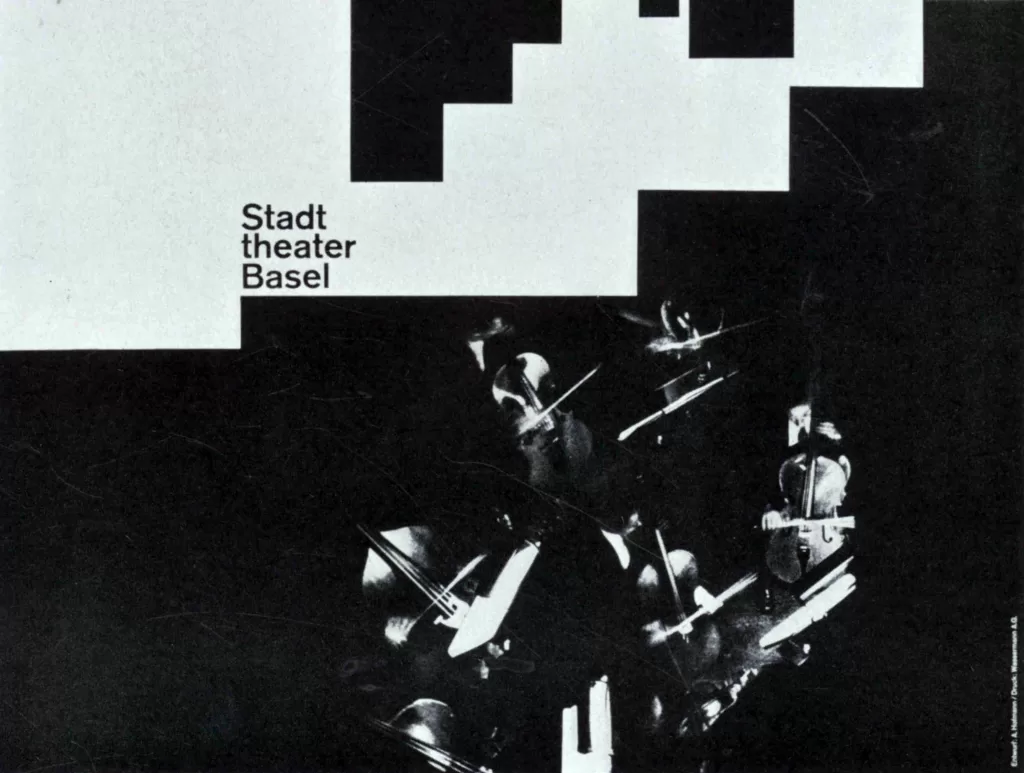
Design Archive Feature, Poster Design, Regional Histories
Armin Hofmann's publicity for the Stadttheater Basel. The client, in this case, the Municipal Theater of Basel, refused to listen to narrow-minded critics, in spite of the fact that as a state-subsidized enterprise it is accountable to public opinion.
Read Article