Tadanori Yokoo

Design (Japan), 109, 1968

Content includes:
Good Design Yesterday and Tomorrow / Yusuke Sato
Koichi Tsuchiya’s people and works / Makoto Wada
interdesign2000 report / Masami Sekiguchi
Serialization: Bauhaus, a pioneer of modern design education Production workshop, significance of its design activities / Hisao Miyajima
Special feature: PR magazine editorial
Latest overall feeling / Shinichi Kusamori
Roundtable talk about editing PR magazine / Tsuneko Sesoko + Kazuko Koike + Hiroshi Takada + Kunio Kobayashi + Hiroshi Aoki + Atsuko Watanabe + Koichi Sato
Book review
Japan Shomei Tomatsu Photobook / Mitsuo Katsui
Yearbook Illustration / Yoshitomo Imae
Tadanori Yokoo’s collection of works / Ryuichi Yamashiro
Export Mark / Hideyuki Oka
Design digest
Customer as an interior element / Takashi Sakaizawa
Talk radar
Copyright that shuts out the design
Interior Kyoto Exhibition
Koike Koike, printing design

Details

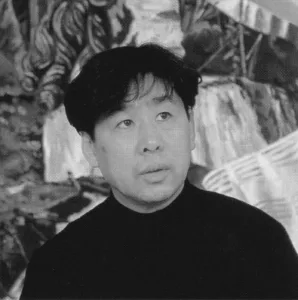
Tadanori Yokoo
‘Tadanori Yokoo was born in 1936 in Nishiwaki City, Hyogo Prefecture, Japan and in 1969 received the grand prix in the print category at the 6th Youth Biennial in Paris. In 1972 he held a one-man show at the Museum of Modern Art, New York, and in 1974 won a gold medal at the Warsaw Poster Biennial, a silver medal at the Brno Graphic Art Biennial, and the Hyogo Prefectural Museum of Modern Art Award at the 9th Tokyo International Print Biennial. In 1975 he received the Mainichi Design Award, and in 1976 took part in the Venice Biennial exhibition, "Works by 5 International Designers." He held a one-man show at the Museum of Advertising Art in Paris in 1983, and in 1985 participated in both the 13th Paris Biennial and the 18th Sao Paulo Biennial. Another one-man show followed in 1987 at the Saison Art Museum, and in 1989 he received an honorary award at the 4th Asia Art Biennial, Bangladesh. In 1991 he took part in the exhibition "Beyond Japan: A Photo Theatre" held at the Barbican Art Gallery in London. Tadanori Yokoo held another one-man show in 1992 at Loft Forum in Tokyo.’ 100 Graphic Designers of the World. Idea Special Edition Explore related designers including Kiyoshi Awazu and Shigeo Fukuda. See also Japanese Modernism, Japanese graphic design history, and 1960s graphic design history.
Design (Japan)
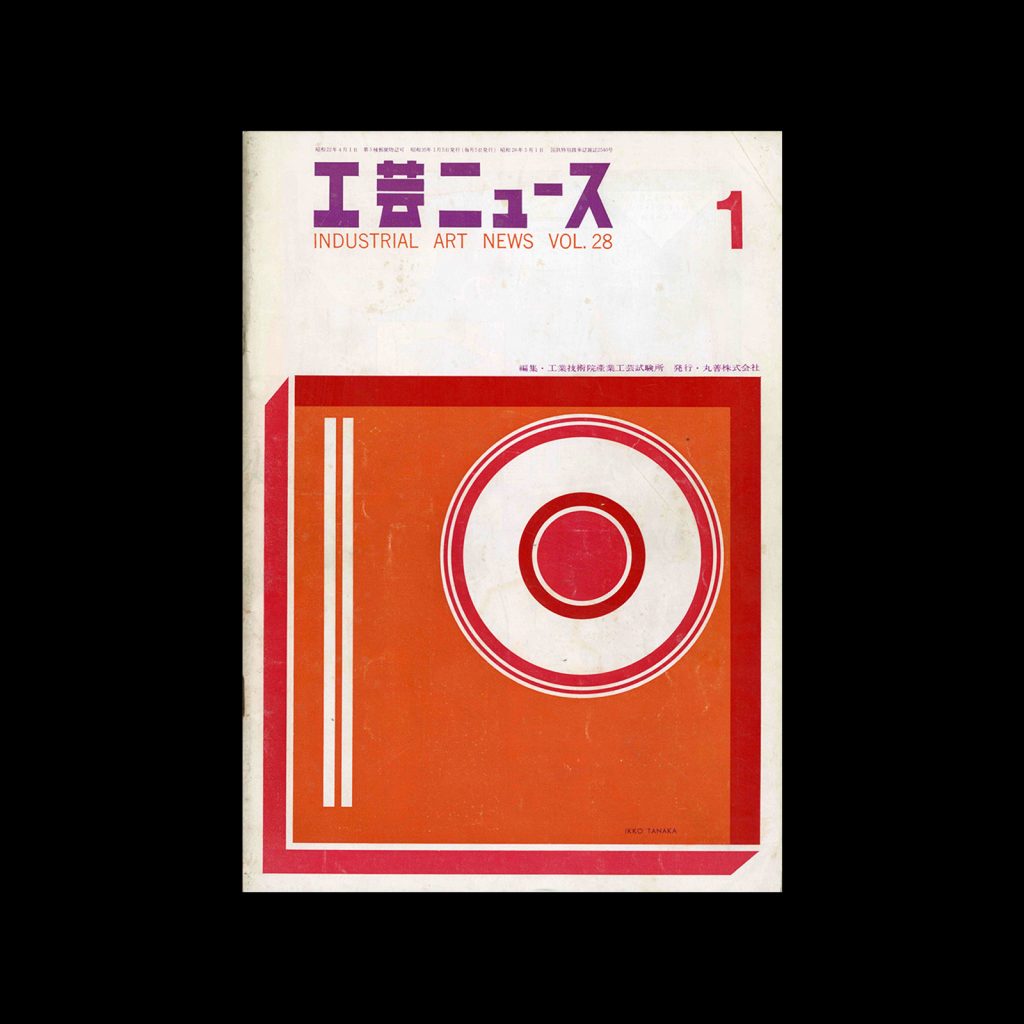
'Design' was launched in 1959 as a general design magazine in Japan. The covers featured the artwork of many great designers including Yusaku Kamekura, Kiyoshi Awazu, Shigeo Fukuda, Mitsuo Katsui and Ikko Tanaka.

Linked Information

Design (Japan), 109, 1968. Cover design by Tadanori Yokoo
More graphic design artefacts
More graphic design history articles
Illustrating Sound: Charles E. Murphy and Command Records

Design Archive Feature, Illustration, Members Only Content, Regional Histories

Illustrating Sound: Charles E. Murphy and Command Records

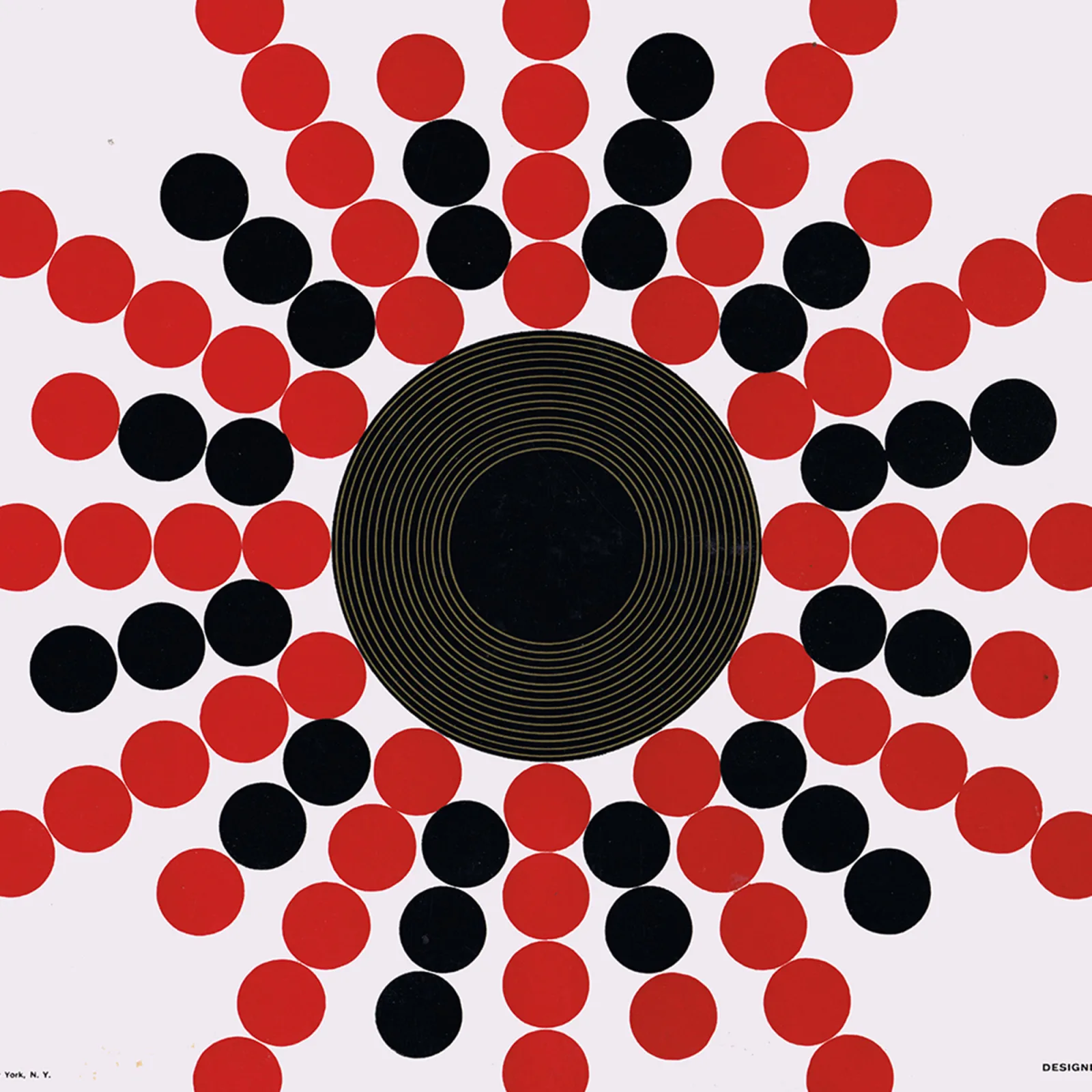
Command Records was founded by Enoch Light in 1959, their record sleeves can be distinguished by their bold, illustrated, and abstract cover designs, created by a range of designers.

Read Article
Wolfgang Weingart – Pioneer of Swiss New Wave

Design Archive Feature, Designer Profiles, Members Only Content, Movements, Regional Histories

Wolfgang Weingart – Pioneer of Swiss New Wave

Wolfgang Weingart's artistic design delved into the intricacies of Swiss typography, skillfully dissecting its elements while venturing into texture and type experimentation. His layered montages radiated dynamic kinetic energy, standing in stark contrast to the minimalist approach of his instructors, embracing a more maximalist aesthetic.

Read Article

Unimark International and the visual identity of South-African manufacturer, DEFY.

Corporate Identity & Branding, Design Archive Feature, Members Only Content, Regional Histories, Studios & Collectives

Unimark International and the visual identity of South-African manufacturer, DEFY.

The identity manual consisted of 130 pages of information and brand usage with Arie J. Geurts heading up the project as design director, (who later headed up his own design studio in Los Angeles). The identity uses minimal colour and focuses on a consistent brand blue in all communications.

Read Article