Karl Oskar Blase

Form, Internationale Revue 33, March 1966

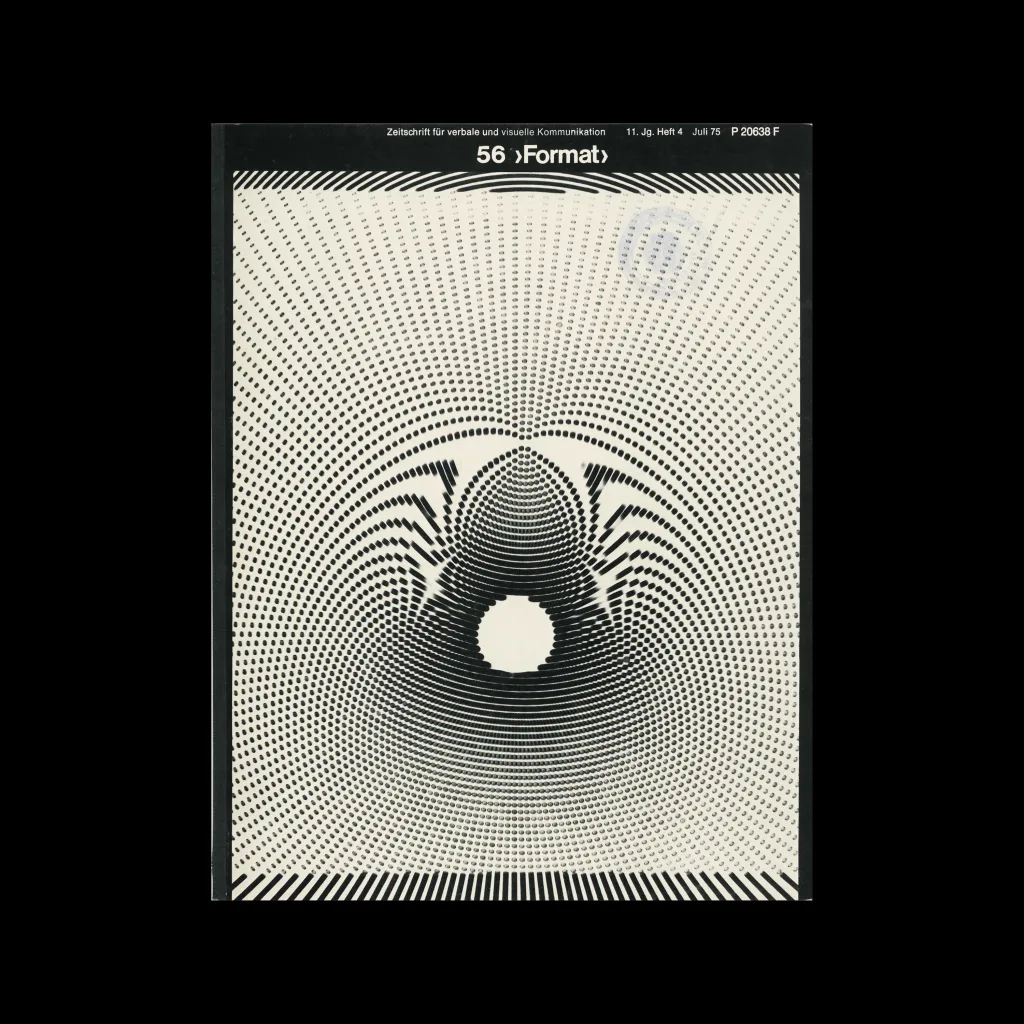
Form is a German design and culture publication founded in 1957. This cover, is one of the many designed by Karl Oskar Blase.

Details

Karl Oskar Blase
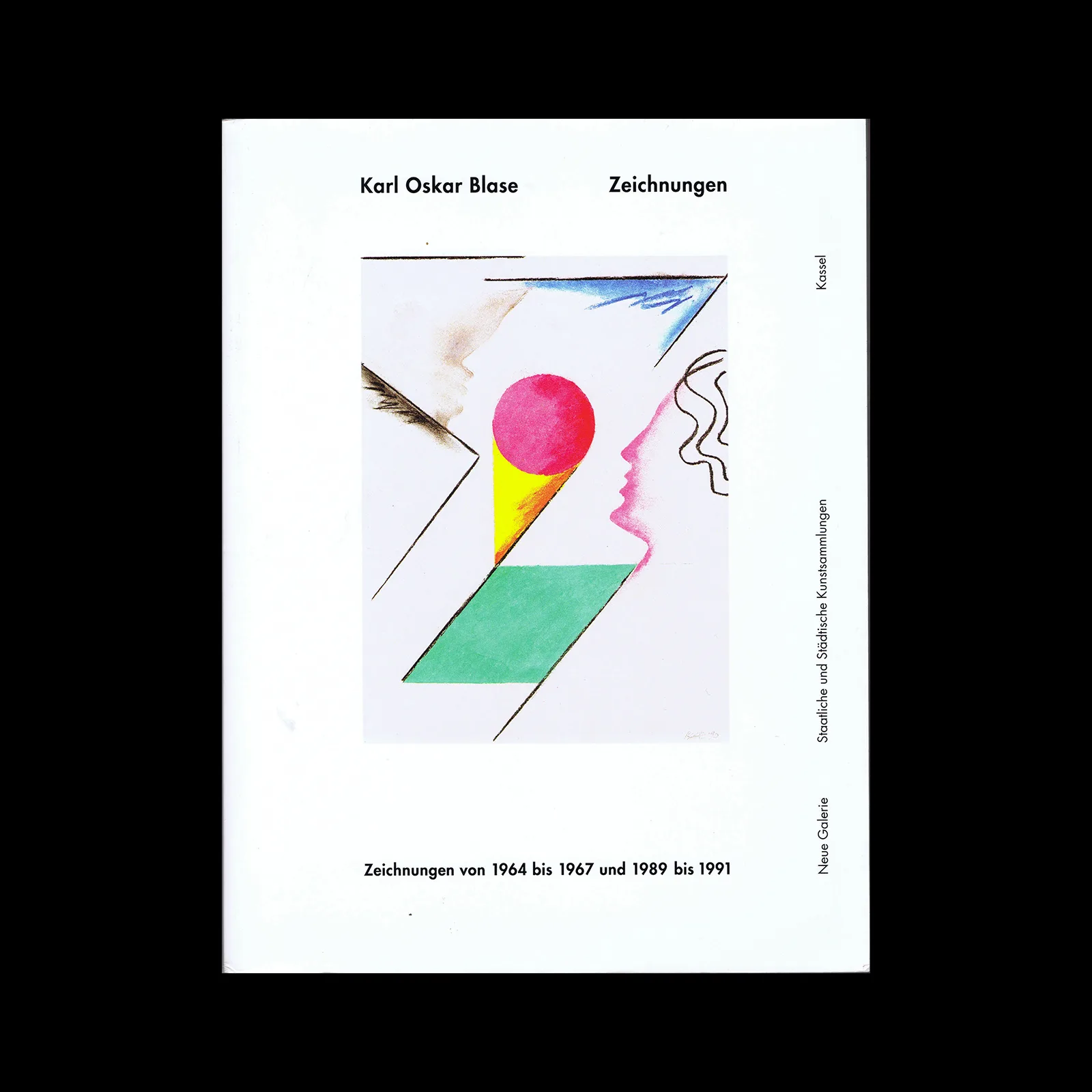
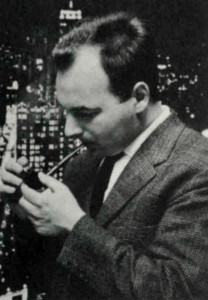
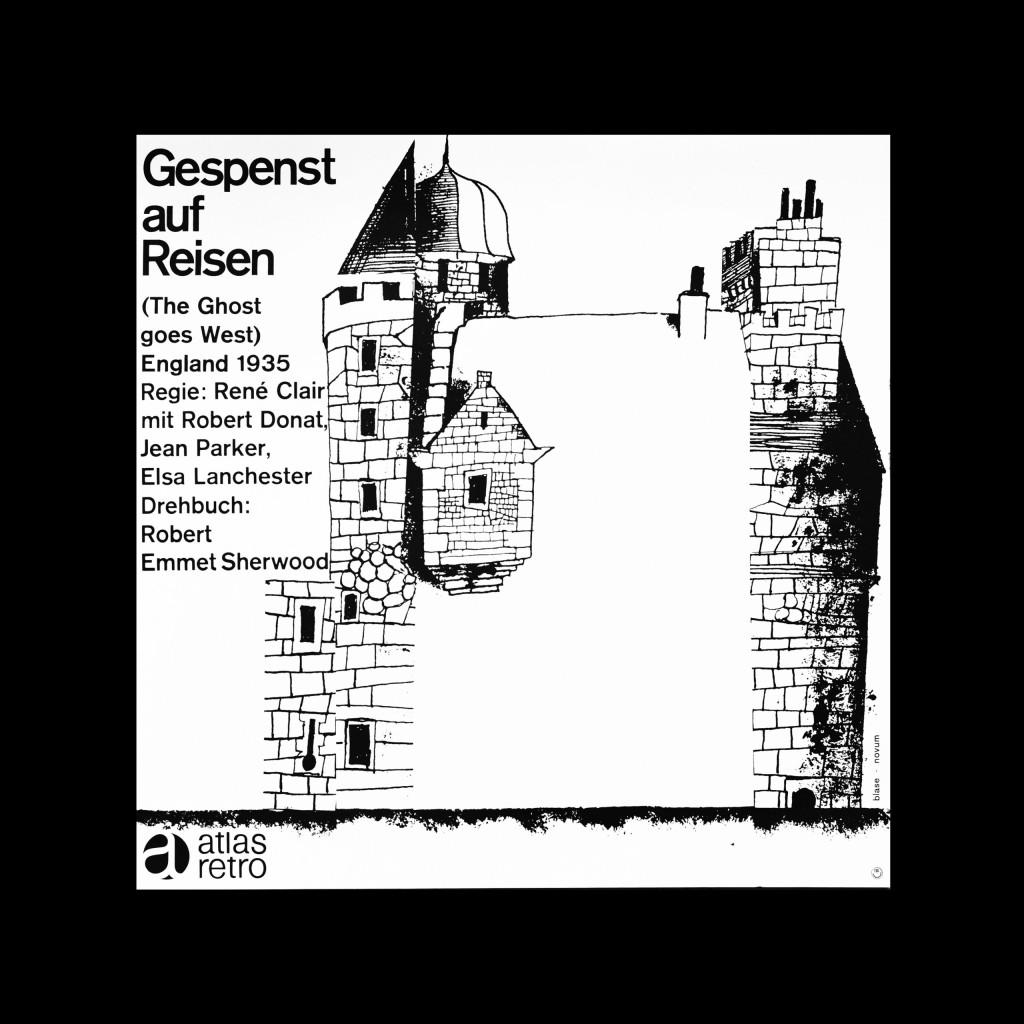
Karl Oskar Blase was born in 1925 in Cologne, Germany. He was a prolific painter, designer, sculptor and exhibition curator. His work included magazine covers, for publications such as Form and Gebrauchsgraphik, stamp designs for the German Postal Service and film posters for companies such as Atlas Films. Explore related designers including Gunter Rambow and Hans Hillmann. See also German graphic design history, Posters, Stamps.
Form (Internationale Revue)
Form was a long-standing international design magazine which included content on product design, communication design, and exhibition design, amongst other topics related to design.

Linked Information

Form, Internationale Revue 33, March 1966. Designed by Karl Oskar Blase
More graphic design artefacts
More graphic design history articles
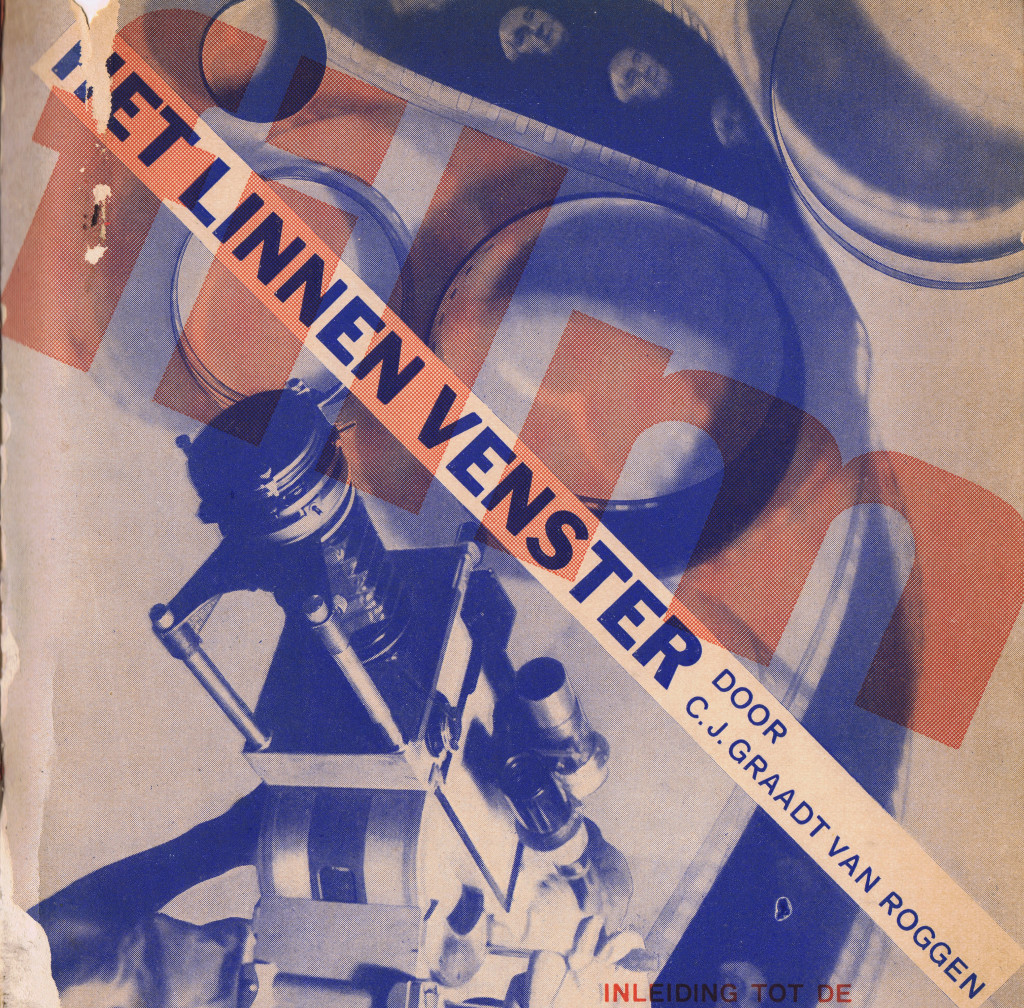
Piet Zwart and the series Film, 1931 – 1933

Design Archive Feature, Designer Profiles, Members Only Content, Regional Histories

Piet Zwart and the series Film, 1931 – 1933

1930s periodical 'Monografieën over filmkunst' designed by dutch designer Piet Zwart remains a pinnacle of Dutch avant-garde design.

Read Article

Designers and Books Series – Mark Bloom

Designer Interview

Designers and Books Series – Mark Bloom

Mark Bloom has designs for globally recognised brands, produces some of the finest, most accessible modern typefaces and heads up Mash Creative and CoType Foundry. His type foundry has always been a port of call for our studio's brand projects and he continues to develop these, each with a fantastic print specimen.

Read Article
Paul Rand and Erik Nitsche: Promoting Ohrbach’s Department Store

Advertising Design, Design Archive Feature, Members Only Content, Regional Histories

Paul Rand and Erik Nitsche: Promoting Ohrbach’s Department Store

These advertisements marked a move away from the illustrated American ads of glamour and American life, and instead used modernist principles and illustrated animals and characters to have a friendlier, more distinctive style of communication.

Read Article