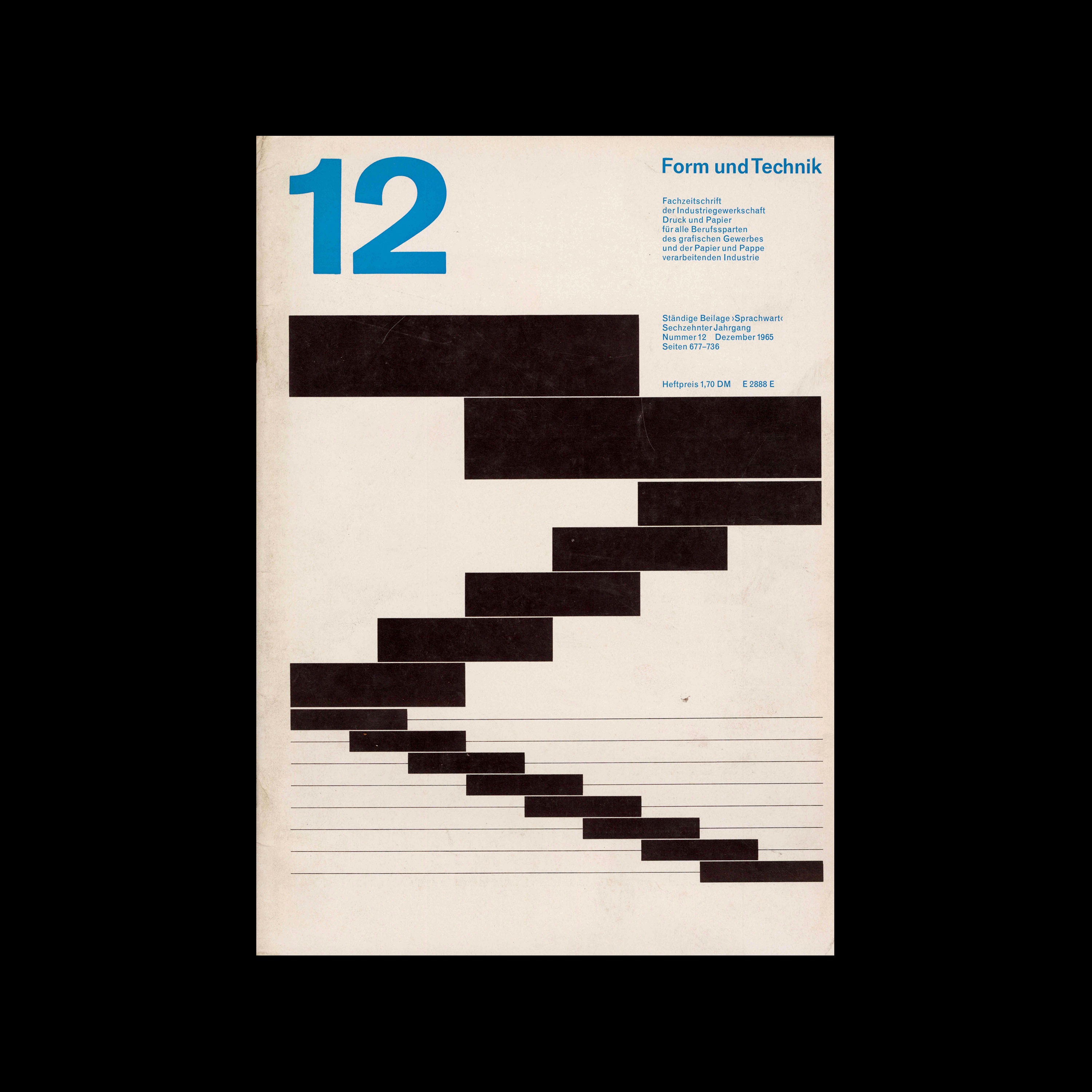
 Form und Technik, Vol 16, No. 12, December 1965

Form und Technik, Vol 16, No. 12, December 1965
From the graphic design archive:
From the graphic design archive:

From the graphic design archive:

From the graphic design archive:

Corporate Identity & Branding, Design Archive Feature, Members Only Content, Regional Histories
Many designers played an important role in IBM's graphic identity and implementation including Arthur Boden, Clarence Lee, Charles Keddie and Mary Beresford.
Read Article
Advertising Design, Design Archive Feature, Members Only Content
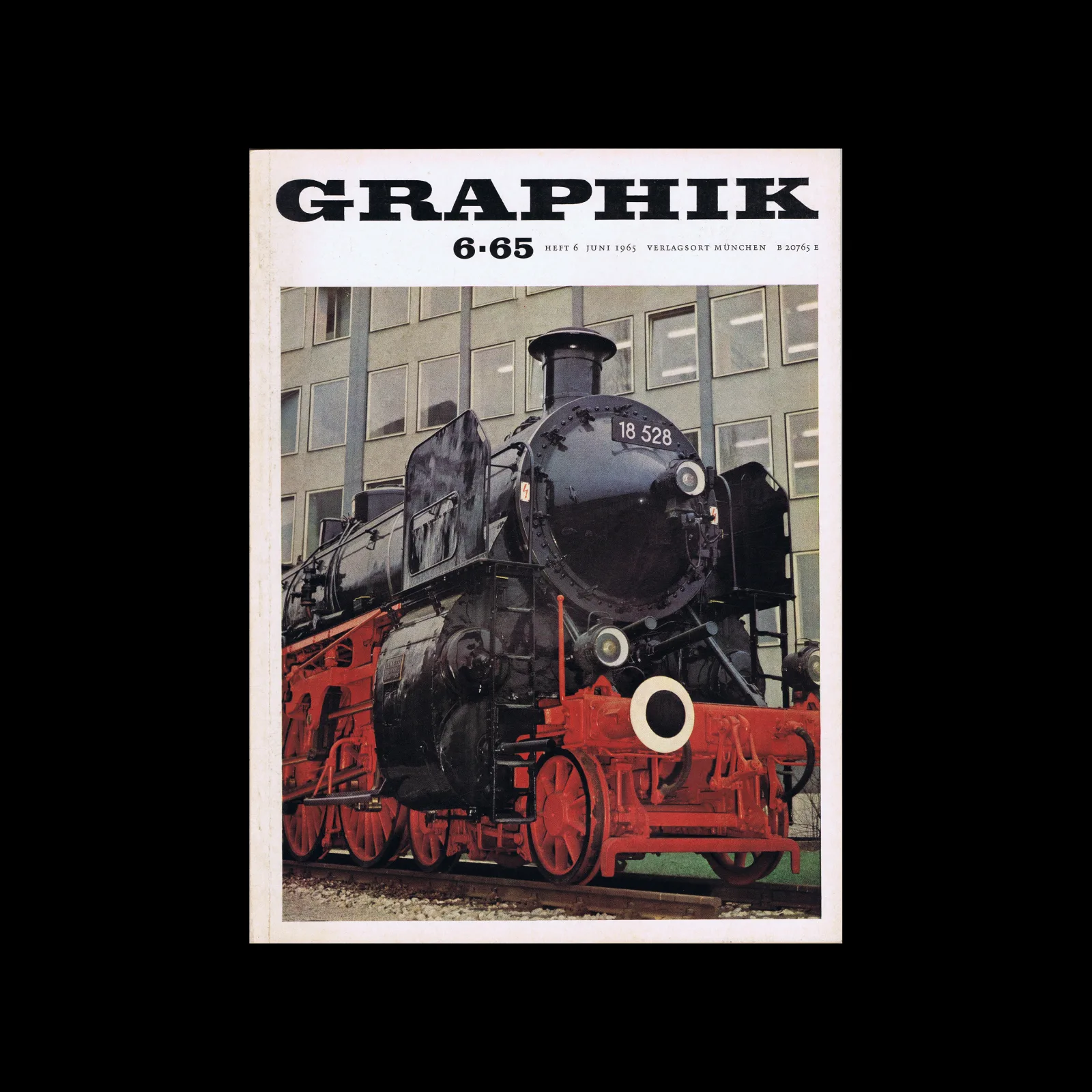
As part of their marketing strategy, Kast + Ehinger, commissioned a selection of German designers to produce advertisements aimed at the design industry. I have scanned in quite a lot of their advertising matter, all of which were back-page advertisements from three German design magazines. Der Druckspiegel, Gebrauchsgraphik and Graphik – Werbung + Formgebung.
Read Article
Design Archive Feature, Members Only Content, Regional Histories
The stamps for the 1970 editions were designed by Jan Slothouber and William Graatsma in collaboration with the Centre for Cubic Constructions (CCC) in Heerlen. Every stamp displays a different corner point of the same block, highlighting eight distinct corner points, with four chosen for their unique identities.
Read Article