Gebrauchsgraphik, 04, 1929

Cover Design: Bernd Reuters

Contents: Georg Baus, Atelier Senger: Argentinian Posters, Willy Meyer, Lotte Wernekink: Fashion Drawings, Advertising and Naturalism
Featured design by Georg Baus, Johannes Boehland, Otto Dinkelsbühler, Willy Meyer and Lotte Wernekink

Details

Bernd Reuters
Gebrauchsgraphik
A German design magazine published from 1924 onwards, devoted to commercial art and advertising design.

Linked Information

Gebrauchsgraphik, 04, 1929. Cover design by Bernd Reuters
The April 1929 issue of Gebrauchsgraphik.
More graphic design artefacts
More graphic design history articles
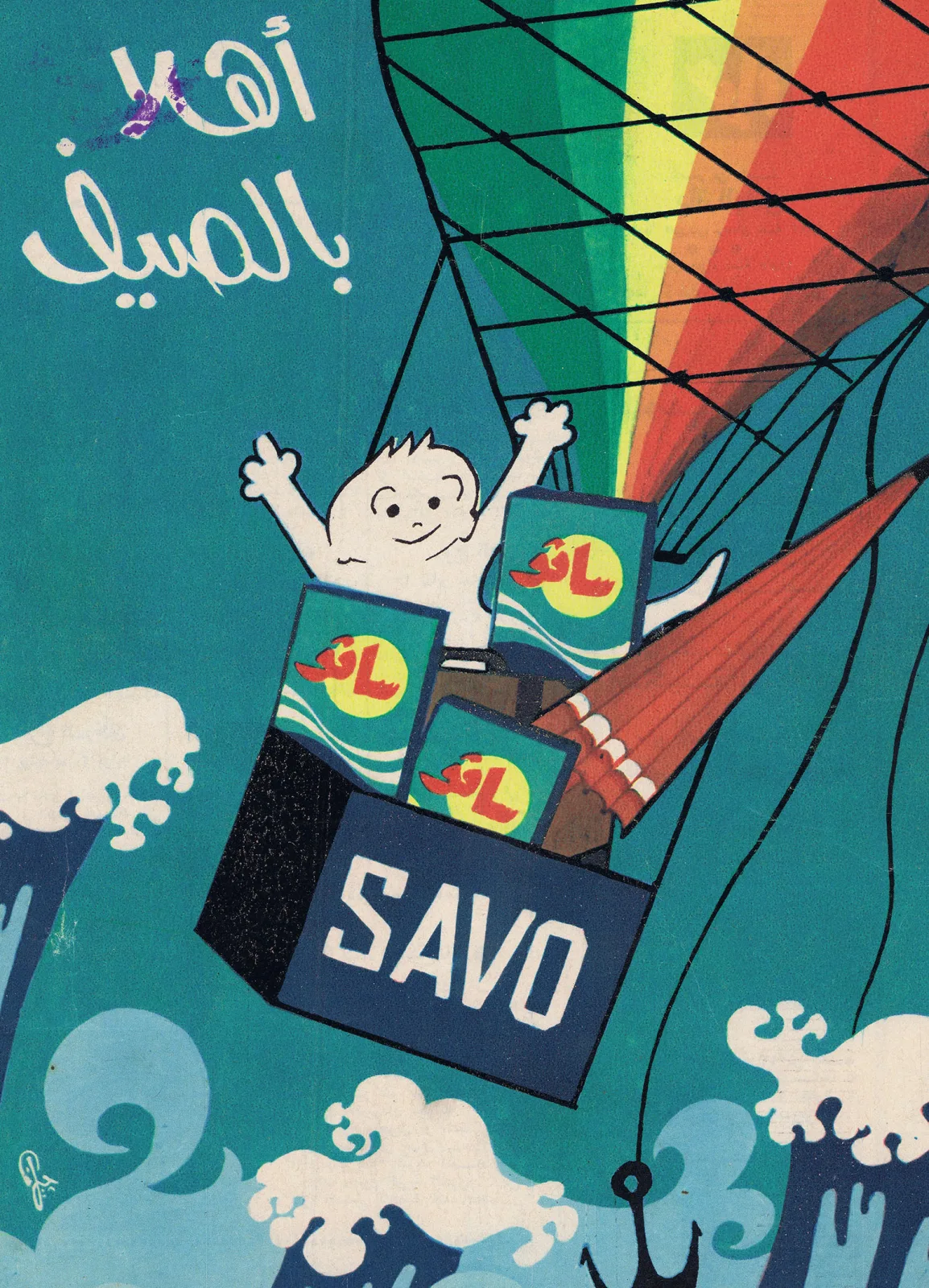
Savo: Over 60 Egyptian Washing Powder Advertising of the 1960s and 1970s

Advertising Design, Members Only Content, Regional Histories

Savo: Over 60 Egyptian Washing Powder Advertising of the 1960s and 1970s

Savo washing powder adverts from 1960s and 70s Egypt, with mascots, bold colour and Arabic lettering, documented from over 60 originals in the Design Reviewed archive.

Read Article
Logos and Lettering by Adrian Frutiger, André Gürtler and Bruno Pfäffli

Corporate Identity & Branding, Design Archive Feature, Members Only Content, Typography & Type Design

Logos and Lettering by Adrian Frutiger, André Gürtler and Bruno Pfäffli

Working alongside André Gürtler and Bruno Pfäffli, Adrian Frutiger designed many logo designs. Here is a selection of the designs which were featured in Der Druckspiegel, December 1961. I have also translated and rewritten the descriptions to provide more depth.

Read Article
Jan Slothouber and William Graatsma’s Cubic Children’s Stamps of 1970.

Design Archive Feature, Members Only Content, Regional Histories

Jan Slothouber and William Graatsma’s Cubic Children’s Stamps of 1970.

The stamps for the 1970 editions were designed by Jan Slothouber and William Graatsma in collaboration with the Centre for Cubic Constructions (CCC) in Heerlen.  Every stamp displays a different corner point of the same block, highlighting eight distinct corner points, with four chosen for their unique identities.

Read Article