
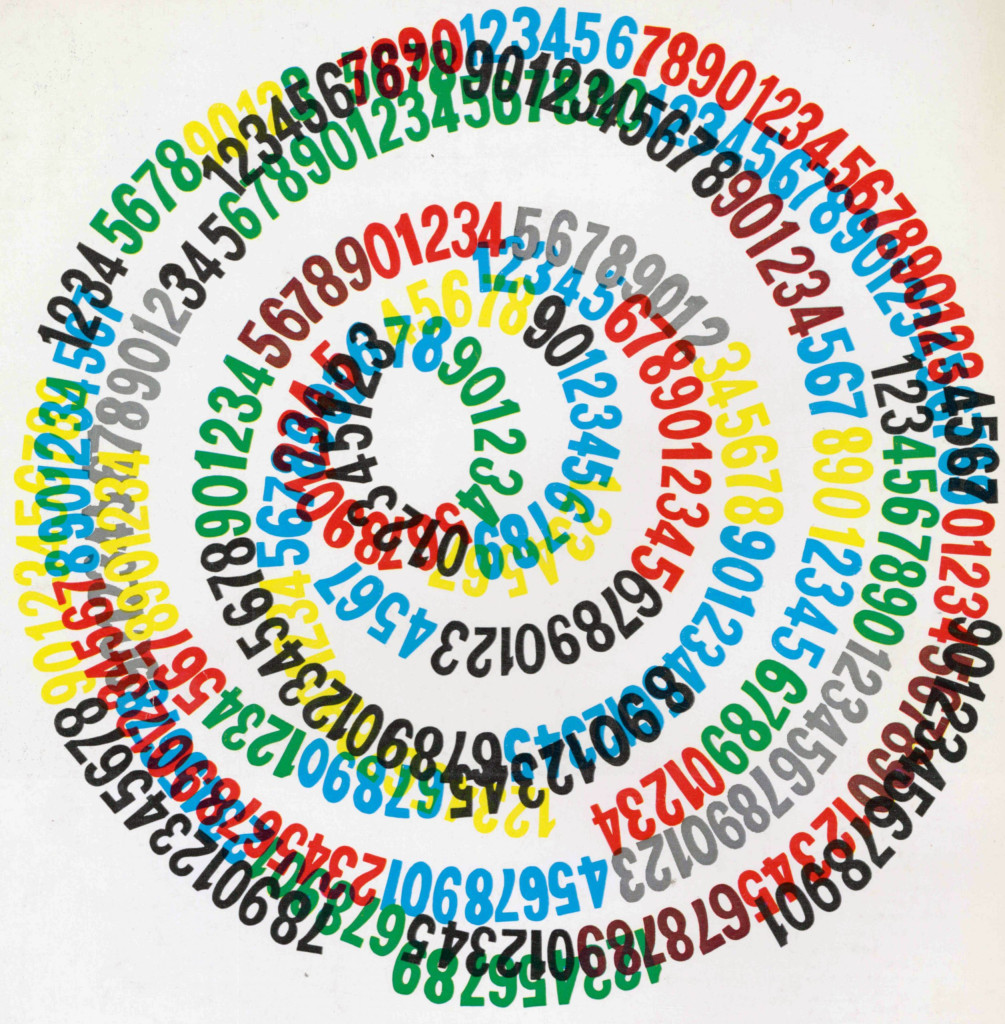
Graphic Communication Through ISOTYPE, Reading University, 1975

Published in connection with an exhibition recording the 50th anniversary of the foundation of the Gesellschafts-und Wirtschaftsmuseum in Wien which was held in the Library of the University of Reading May to October 1975. 

Details

  • Format Book
  • Year 1975
  • Client/Publisher University of Reading, 1981
  • Size 210mm x 300mm

Linked Information

Graphic Communication Through Isotope, Reading University, 1975
Graphic Communication Through ISOTYPE, Reading University, 1975


Graphic Communication Through Isotope, Reading University, 1975
Graphic Communication Through ISOTYPE, Reading University, 1975
More graphic design artefacts
More graphic design history articles
Giovanni Pintori and his definitive visual language for Olivetti

Corporate Identity & Branding, Design Archive Feature, Members Only Content, Regional Histories

Giovanni Pintori and his definitive visual language for Olivetti

Giovanni began his work with Olivetti in March 1938, and his work was showcased in various exhibitions and had a clear distinctive style that amplified the Olivetti brand image. His design defined the company’s visual image, and the iconic geometric designs are still as powerful and engaging today as they were in the 1950s.

Read Article
Why Graphic Culture Matters by Rick Poynor

Book Reviews & Press Releases

Why Graphic Culture Matters by Rick Poynor

Why Graphic Culture Matters is a compilation of 46 thought-provoking essays by renowned design critic Rick Poynor, delving into the realms of art, design, and visual communication.

Read Article
Jan Slothouber and William Graatsma’s Cubic Children’s Stamps of 1970.

Design Archive Feature, Members Only Content, Regional Histories

Jan Slothouber and William Graatsma’s Cubic Children’s Stamps of 1970.

The stamps for the 1970 editions were designed by Jan Slothouber and William Graatsma in collaboration with the Centre for Cubic Constructions (CCC) in Heerlen.  Every stamp displays a different corner point of the same block, highlighting eight distinct corner points, with four chosen for their unique identities.

Read Article