




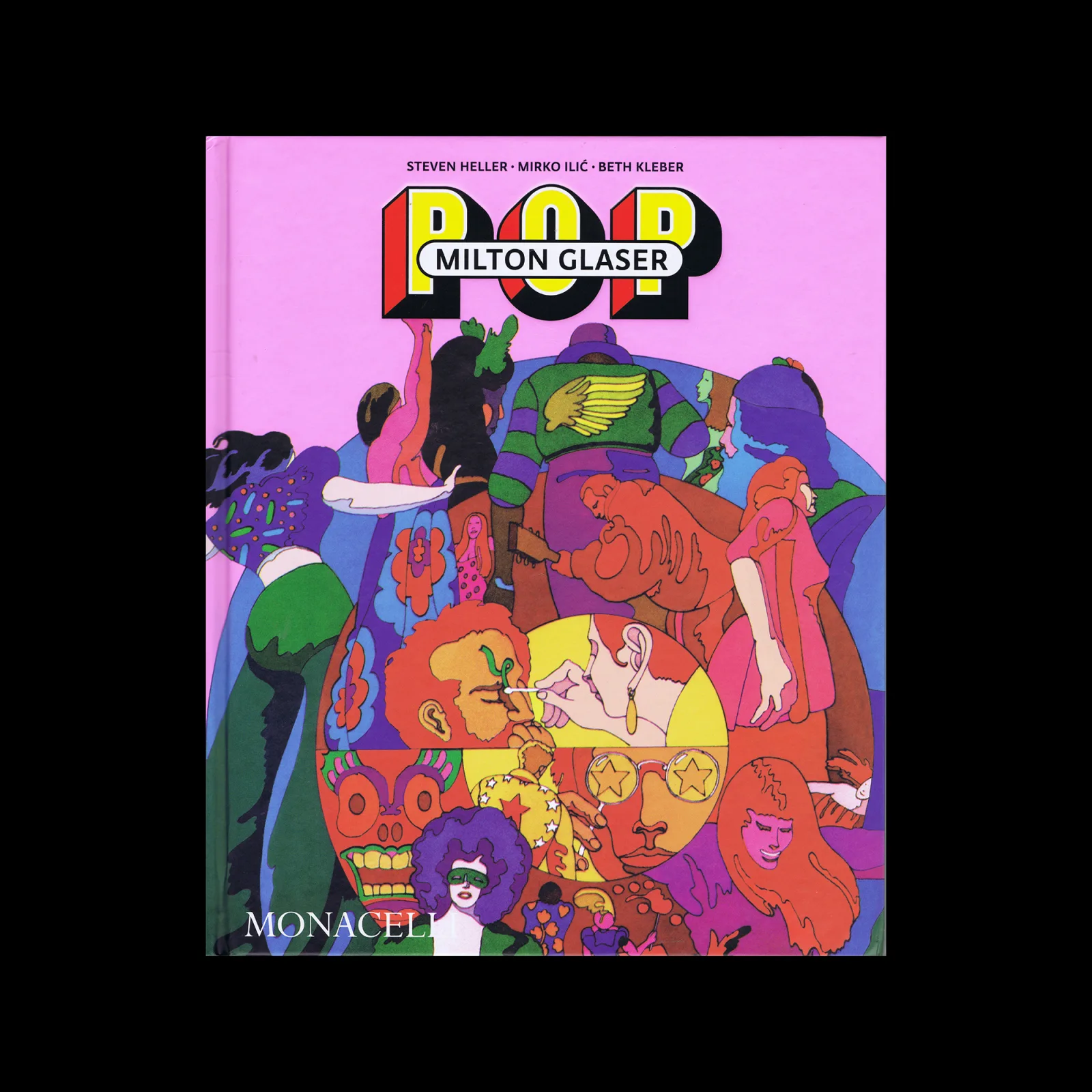
George TschernyLouis DorfsmanMilton GlaserTomi Ungerer

Graphic Designers in the USA, Volume 3, 1972

Graphic Designers in the USA/3: Louis Dorfsman, Milton Glaser, George Tscherny, Tomi Ungerer

“Four of the volumes deal with graphic designers in the U.S.A., four with graphic designers in Europe. Since they show not only a cross-section of the best work that has been created during the last decade, but also significant changes in style and approach, the books will be invaluable for students of art, publicity and advertising writers and designers, other commercial artists, and art lovers who want to become better acquainted with the ideas and methods of today’s finest graphic designers.”

Details

  • Format Book
  • Year 1972
  • Client/Publisher Universe Books
  • Size 190mm x 265mm
George Tscherny (1924–2017) was a Hungarian-born American designer and emigrated to the U.S. after World War II. He studied under Alvin Lustig and became known for his corporate and educational design work Tscherny was also a founding member of AIGA’s New York chapter. Explore related designers including Alvin Lustig and Paul Rand. See also American Modernism, American graphic design history, 1950s graphic design history.
Louis Dorfsman graduated from Cooper Union Art School and designed exhibits for the 1939 New York World Fair. During World War II, he worked on navy training films before serving in the army from 1943 to 1946. In 1946, he joined CBS, where he eventually became creative director, overseeing art, advertising, and promotion for the television network. Dorfsman taught at Cooper Union and other institutions and lectured at American universities. He was a member of the New York Art Directors Club and AIGA and received numerous awards, including a 1956 citation from Cooper Union. Explore related designers including Paul Rand and Herb Lubalin. See also American Modernism and 1960s graphic design history.
Milton Glaser studied at the Cooper Union Art School in New York. He was a founding member of Push Pin Studios, a faculty member of the School of Visual Arts and design director of the magazine New York. He has written extensively on graphic design. Explore related designers including Seymour Chwast and Herb Lubalin. See also American Modernism and 1960s graphic design history.
Tomi Ungerer, a self-taught illustrator, gained rapid recognition in New York after a varied early life that included working odd jobs across Europe. He became known for his cartoons, advertising work, and children's books. Explore related designers including André François and Roland Topor. See also French graphic design history and 1960s graphic design history.

Linked Information

Graphic Designers in the USA, Volume 3, 1972
More graphic design artefacts
More graphic design history articles
Erberto Carboni and his work for Radio Italiana, 1940s and 1950s

Advertising Design, Design Archive Feature, Members Only Content, Regional Histories

Erberto Carboni and his work for Radio Italiana, 1940s and 1950s

These one-colour forms have a playful but structured aesthetic through their geometric forms, they remind me of the abstract line drawings of Picasso blended with Jan Tschichold and the New Typography.

Read Article

Tadashi Ohashi. Japanese Graphic Designer | 1916 – 1988

Design Archive Feature, Designer Profiles, Members Only Content, Regional Histories

Tadashi Ohashi. Japanese Graphic Designer | 1916 – 1988

Tadashi Ohashi was at the forefront of Japan's postwar design movement, with his illustrations widely celebrated. In 1952, he became the chief designer for Meiji Seika Confectionery, producing some of his most renowned work.

Read Article
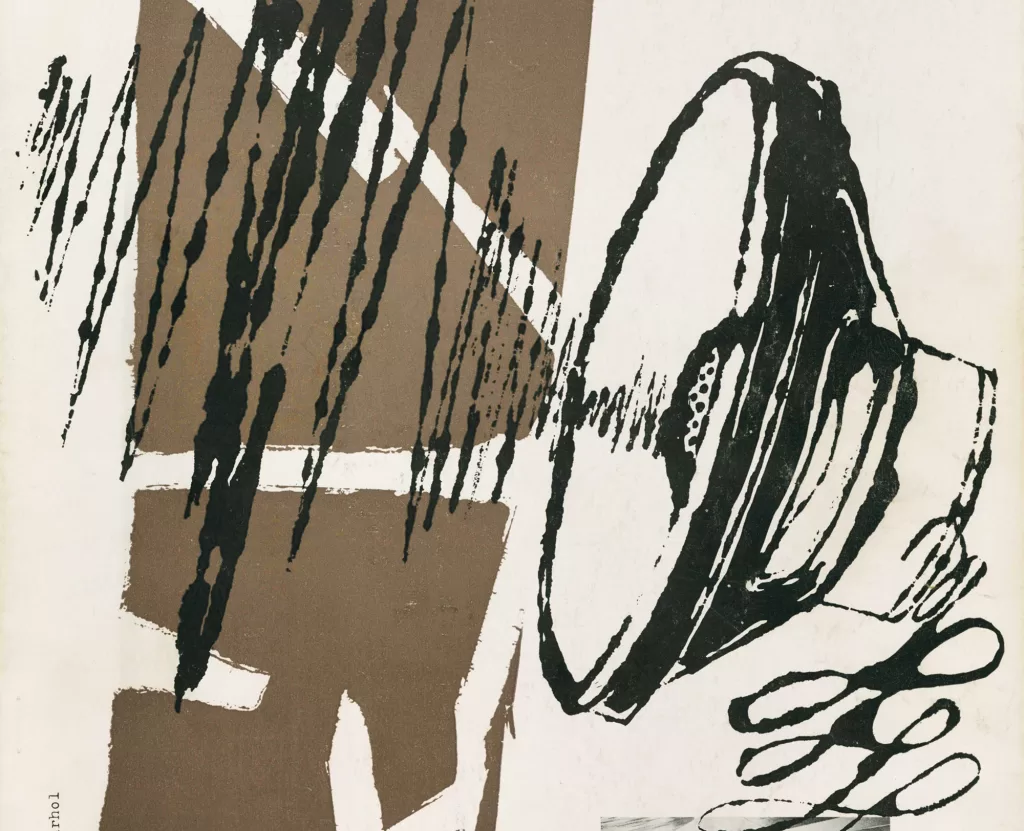
Andy Warhol’s Commercial Art for Interiors Magazine

Advertising Design, Design Archive Feature, Magazines & Publishing, Members Only Content

Andy Warhol’s Commercial Art for Interiors Magazine

Before ascending to fame within the contemporary art scene, Warhol enjoyed a thriving career as a commercial artist. His illustration work was commissioned by various magazines, including The New Yorker, Vogue, and Harper's Bazaar.

Read Article