



From the graphic design archive:
From the graphic design archive:
From the graphic design archive:

From the graphic design archive:

Design Archive Feature, Designer Profiles, Members Only Content, Poster Design
Scanned posters by the great Michele Spera. Many use a strong use of geometric form, often paired with sans-serif typefaces like Helvetica. Their simplification of form and use of colour create timeliness, recognisable posters that would have stood out alongside the posters of the 1970s which tended to have a heavy use of photography.
Read Article
This book shows, for the first time, all of Hans Hillmann’s film posters. Unpublished sketches and drafts from his estate along with commentary from conversations and interviews provide an insight into the creative process of the award-winning designer.
Read Article
Design Archive Feature, Ephemera, Members Only Content, Regional Histories
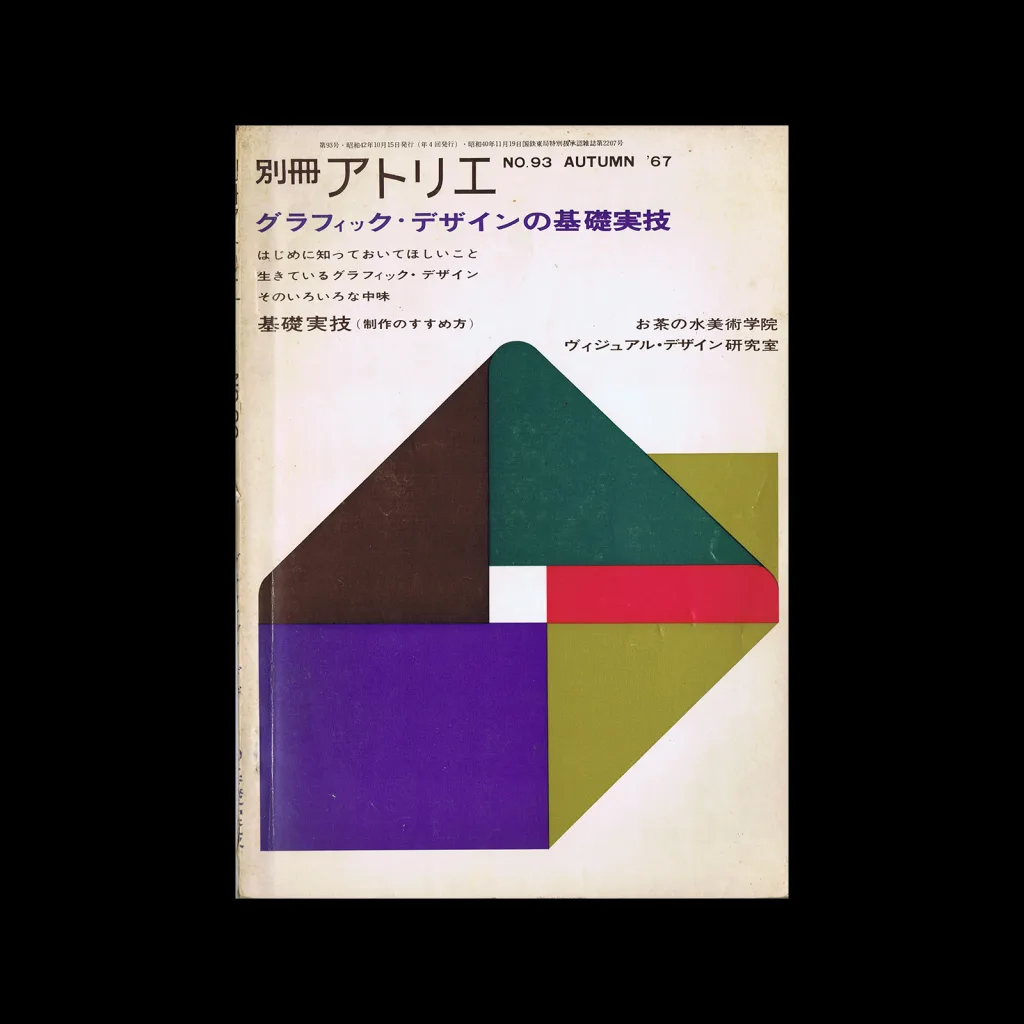
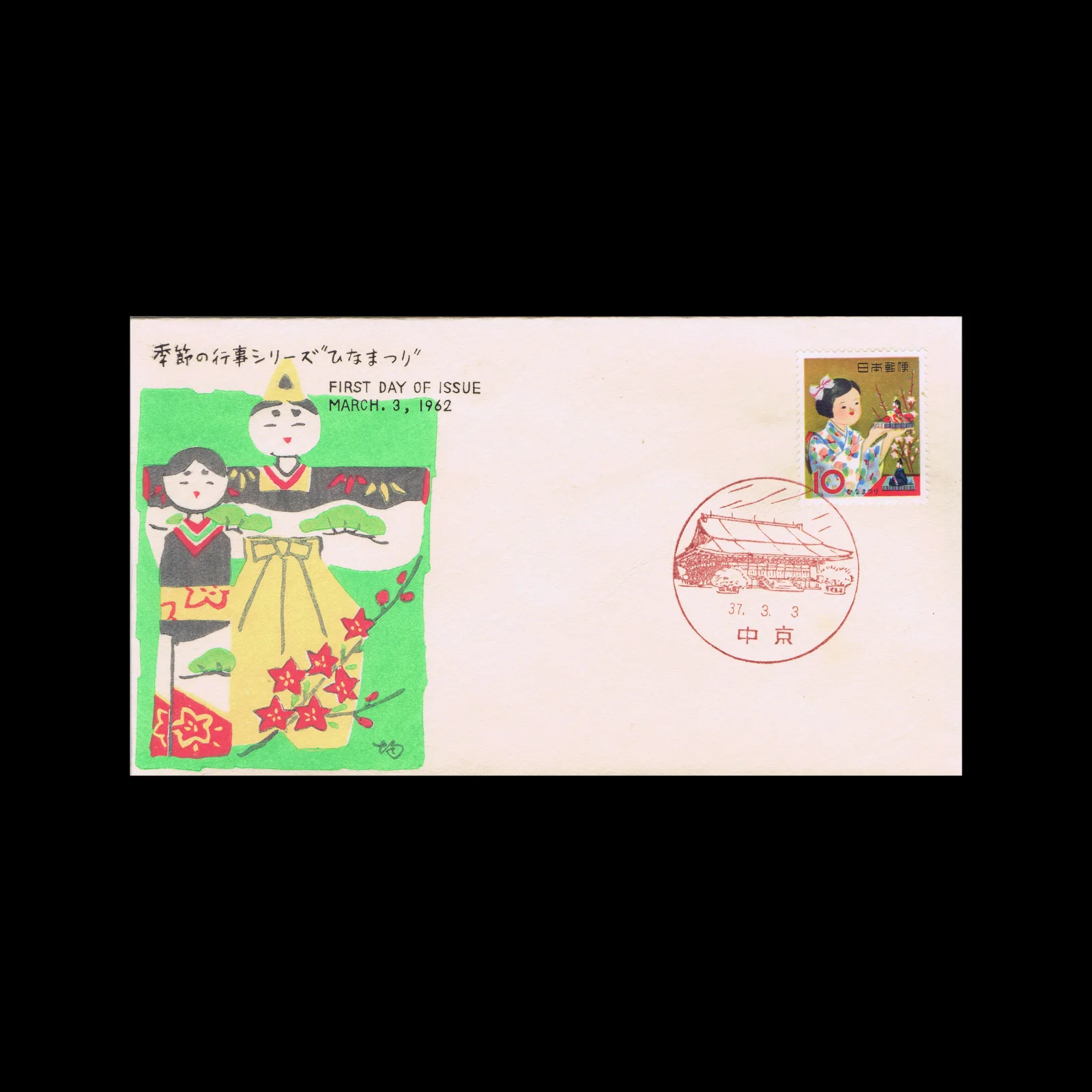
Beyond being mere artefacts of design, these examples of Japanese Ephemera show the dynamic changes Japan was undergoing during this period. The design output of this era not only served commercial purposes but also became a powerful medium for expressing these societal shifts.
Read Article