
Idea 067, 1964

Content includes:
S. Neil Fujita by H. Ohchi
Robert Conningham
Designers of the Push Pin Studios
“Co-ordinated design style – IBM / Dumlop Footwear Ltd / Austin Reed Ltd / Bunker-Ramo Corporation / House of Herbs, Ltd / Purity Stores”
Graphic Design for the XVIII Olympiad
Graphic Design Visual Comparisons

Details

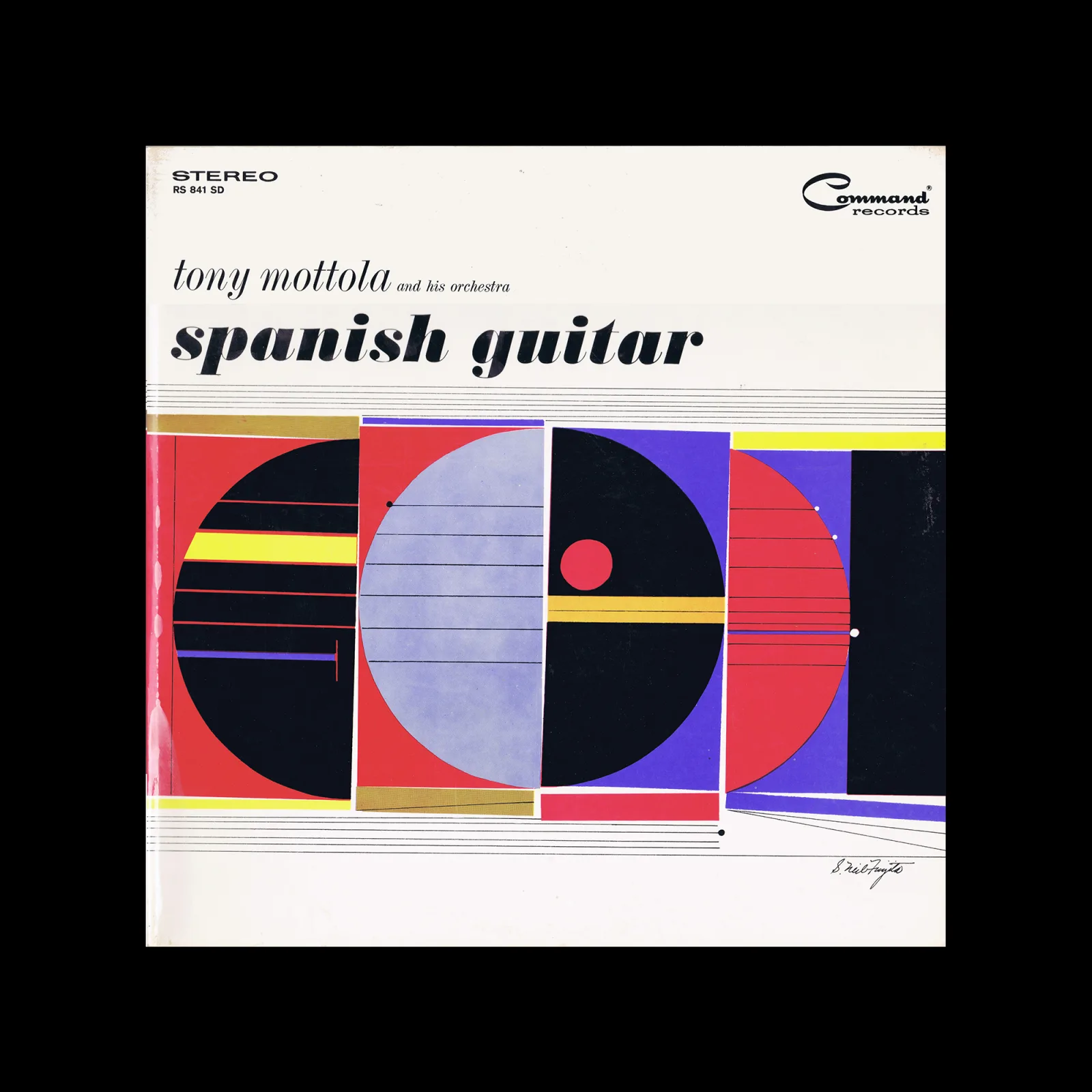
S.Neil Fujita
S. Neil Fujita (1921–2010) was a Japanese-American graphic designer and art director known for his influential album cover designs for Columbia Records, covers for Fortune magazine and his corporate identity work. He studied at the Art Students League in New York. At Columbia Records he designed covers for Miles Davis, Dave Brubeck, and Charles Mingus. He later worked in advertising and corporate design. Explore related designers including Paul Rand and Alex Steinweiss. See also American Modernism and 1950s graphic design history.
IDEA (Japan)
Idea is a Japanese design magazine that has been published since 1953, covering typography, visual identity, and contemporary graphics.

Linked Information

Idea 067, 1964. Cover design by S.Neil Fujita


Idea 067, 1964 Inners
More graphic design artefacts
More graphic design history articles
Graphic Design Books for Students Part 1

Design Education

Graphic Design Books for Students Part 1

From time to time members of the Graphic Design History group and others have asked for a number of recommendations for books related to design history, theory and specific areas of graphic design. This is the first of a series of articles from educators, designers and archivists featuring book recommendations and resources.

Read Article
Ken Briggs and his iconic designs for the National Theatre

Corporate Identity & Branding, Design Archive Feature, Designer Profiles, Members Only Content, Regional Histories

Ken Briggs and his iconic designs for the National Theatre

The typographic designs produced for the National Theatre by Ken Briggs are not only iconic and depict the Swiss typographic style of the time, but remain a key example of the creation of a cohesive brand style.

Read Article

Functional Beauty: British Industrial Brochures from the 1960s

Advertising Design, Design Archive Feature, Members Only Content, Regional Histories

Functional Beauty: British Industrial Brochures from the 1960s

The clear, rational, and functional design of 1960s industrial design brochures.

Read Article