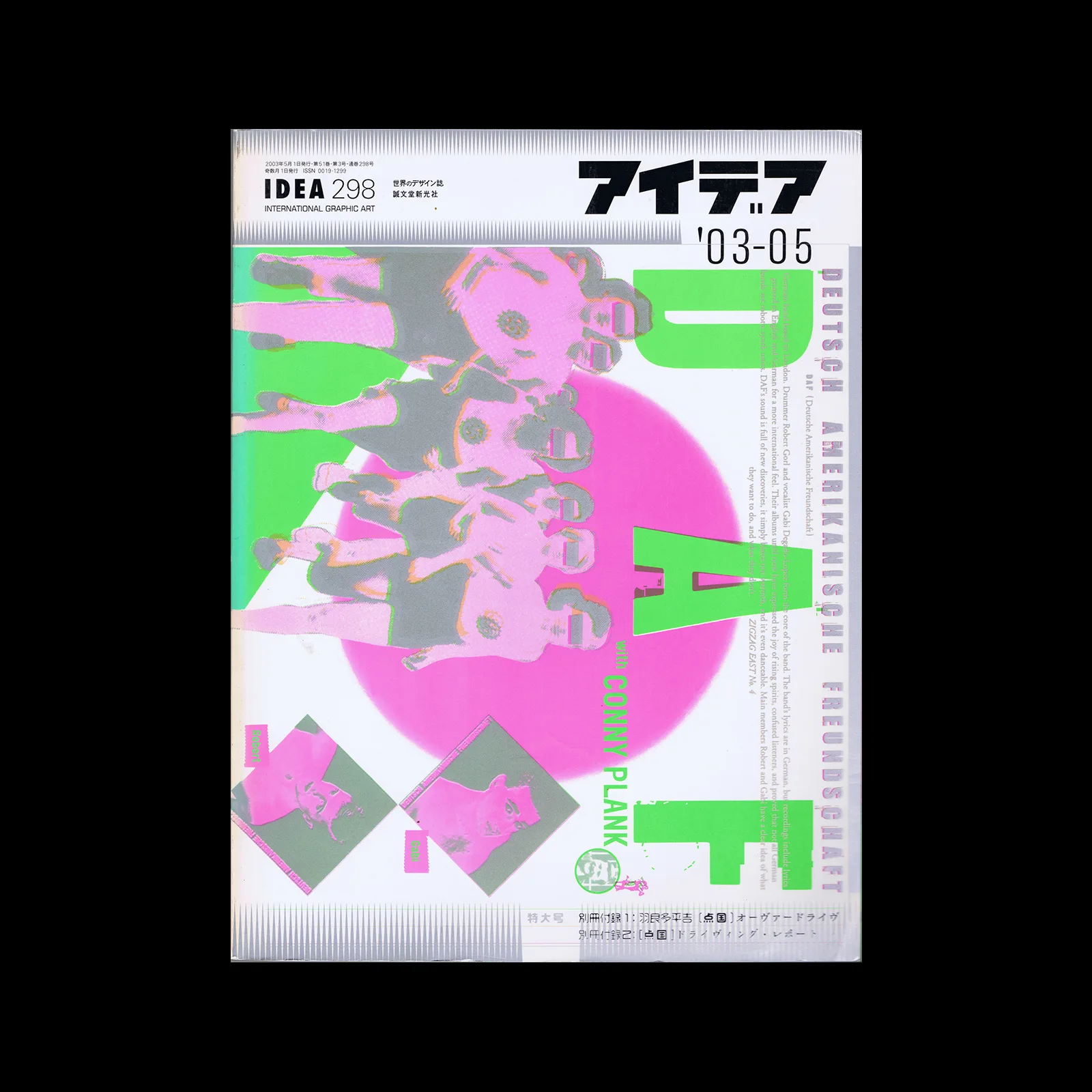

Idea 298, 2003-05

Content includes:
GTF Three Dimensional Project / SCAT: Emi Suzuki / heiQuiti HARATA Special Poster “DAF” remix Side A&B / GRAPH Works for Fukukura / The Complete Writings of Yokoo Tadanori / “Spring, Summer, Fall, Winter” by Masayoshi Nakajo / Report: The 3rd International Design History Forum “Images & Letters” / Invisible language Vol. 7 by Paul Elliman / When Pigs Design Vol.20 by Kyoichi Tsuzuki / Shinro Ohtake Original Serial Poster vol.1 Side-A “UTASHINAI” / Side-B “BETSUKAI” / News + InformationSpecial Supplement 1 : Tengocu, pixelzone OverdriveSpecial Supplement 2 : Tengocu, pixelzone Driving ReportCover artwork by heiQuiti HARATA

Details

IDEA (Japan)
Idea is a Japanese design magazine that has been published since 1953, covering typography, visual identity, and contemporary graphics.

Linked Information

Idea 298, 2003-05
Idea 298, 2003-05
More graphic design artefacts
More graphic design history articles
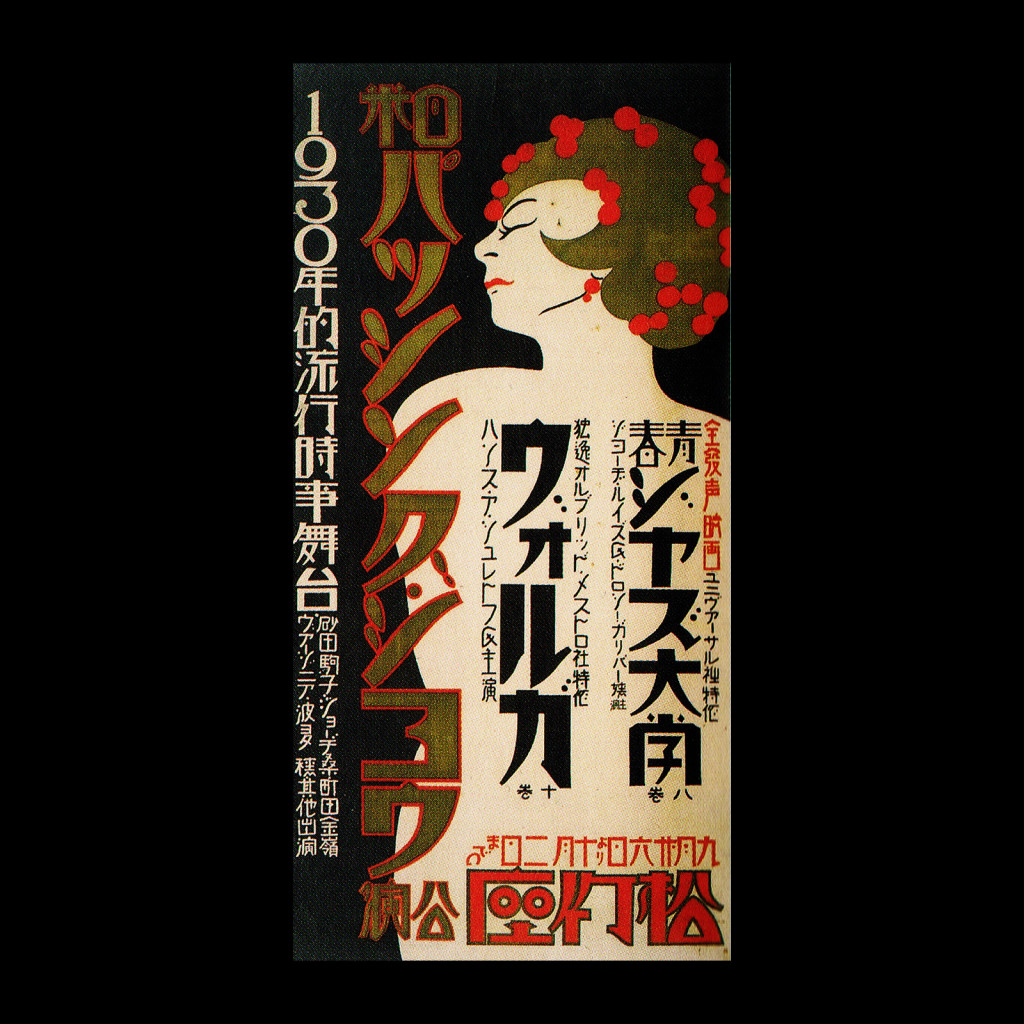
1920s Japanese Publicity Design of the Shochikuza Theatre

Design Archive Feature, Illustration, Members Only Content, Regional Histories

1920s Japanese Publicity Design of the Shochikuza Theatre

Japan's first foreign film venue, Shochikuza Theatre (1923) is an icon of Modernism. Its Art Deco-influenced advertising, showcased in the 1925 Shochikuza News magazine, offers a glimpse into Japans influences from the West.

Read Article
Gabriel Amijai Benderski Perez and the Uruguayan Graphic Design Archive

Designer Interview, Regional Histories

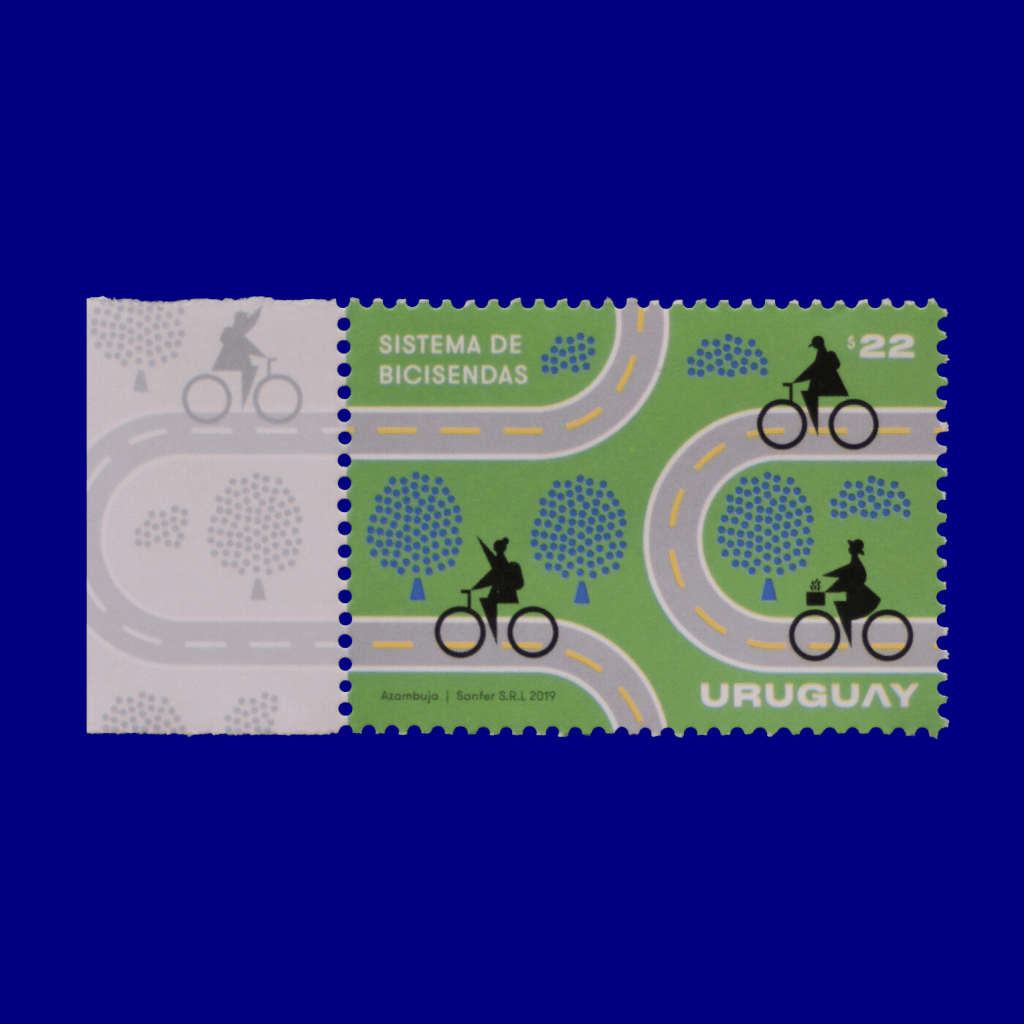
Gabriel Amijai Benderski Perez and the Uruguayan Graphic Design Archive

Gabriel sent me a link to his amazing Uruguayan Graphic Design Archive when I launched Design Reviewed. The content was so amazing, I ended up spending a good hour looking through the content and it has definitely made it to my bookmarks.

Read Article
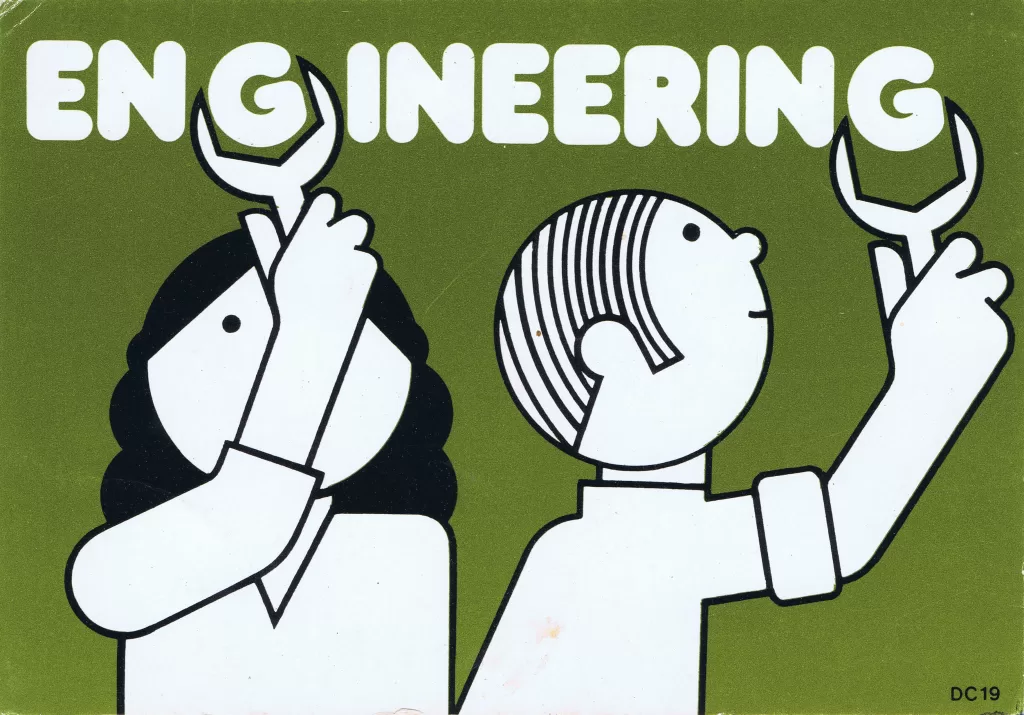
Friendliness and Efficiency. 1970s Postcards for the British Job Centre

Design Archive Feature, Ephemera, Members Only Content, Regional Histories

Friendliness and Efficiency. 1970s Postcards for the British Job Centre

The designer is unstated on these postcards, which were designed during the mid to late 1970s, but these playful illustrations alongside what looks to be Frankfurter Bold definitely fit the criteria of friendliness and efficiency

Read Article