
Total DesignWim Crouwel

Jagoda Buić, Stedelijk Museum, Amsterdam, 1978

Details

  • Designer/s Wim Crouwel and Daphne Duijvelshoff (Total Design)
  • Year 1978
  • Client/Publisher Stedelijk Museum, Amsterdam
  • Size 210mm x 275mm
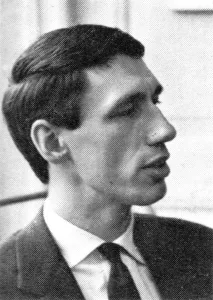
Wim Crouwel and Daphne Duijvelshoff (Total Design)
Daphne van Peski (Duijvelshoff) was born in 1942. She was a designer at Total Design and designed many Stedelijk Museum catalogues with Wim Crouwel. Daphne was also a member of the GVN, the Dutch association of graphic designers. Explore related designers including Wim Crouwel and Jolijn van de Wouw. See also Total Design and Dutch Modernism.
Total Design was founded in Amsterdam in 1963 by Wim Crouwel, Friso Kramer, Benno Wissing, and Paul and Dick Schwarz and was the first large-scale multidisciplinary design consultancy in the Netherlands. Under Crouwel's creative direction the studio developed a rigorous systematic approach rooted in grid systems and neutral typography. Its long-running relationship with the Stedelijk Museum Amsterdam produced catalogues, posters, and exhibition graphics that remain among the most influential bodies of institutional design in postwar Europe. Other major clients included the Dutch Post Office and Schiphol airport. The practice continues today as Total Identity. Explore designers associated with Total Design including Wim Crouwel, Jurriaan Schrofer, and Benno Wissing. See also Dutch Modernism, Dutch graphic design history, and 1960s graphic design history.
Willem Hendrik Crouwel was born in 1928 in Groningen, Netherlands. He studied at the Academy of Arts and Crafts in Groningen and took evening classes at the Institute of Arts and Crafts, now the Rietveld Academy. His teacher, Charles Jongejans, was trained by notable Dutch designers Paul Schuitema and Gerard Kiljan. In 1952, Crouwel began his design career at Enderberg, designing exhibitions and trade stands, gaining valuable experience. After leaving Enderberg in 1956, he founded a studio with industrial designer Kho Liang Ie, working on various projects across design disciplines, including graphic and exhibition design. Influenced by mid-century Swiss typography, Crouwel explored letterforms and graphic systems, using fonts like Helvetica and Univers. His early clients included the Van Abbe Museum, where he designed catalogues and posters. In 1963, he co-founded the influential design agency Total Design and also started working for the Stedelijk Museum, collaborating with Edy de Wilde until 1986. Explore the Design Reviewed archive to discover artefacts connected to Wim Crouwel. The Dutch Modernism movement, the Netherlands and the 1960s and 1970s decade pages.

Linked Information

Jagoda Buić, Stedelijk Museum, Amsterdam, 1978 designed by Wim Crouwel and Daphne Duijvelshoff (Total Design)
More graphic design artefacts
More graphic design history articles
The Outdoor Recreation Archive

Book Reviews & Press Releases

The Outdoor Recreation Archive

The Utah State University (USU) houses a vast collection of Outdoor Recreation Catalogues and magazines, You can browse and search records of more than 8,000 catalogues and magazines from over 500 companies, including manufacturers like Lowe Alpine and Sierra Designs to retailers like Eastern Mountain Sports and REI.

Read Article
Karl Schulpig by Walter F. Schubert (1925): Design Translated

Advertising Design, Design Archive Feature, Design Translated, Designer Profiles, Members Only Content

Karl Schulpig by Walter F. Schubert (1925): Design Translated

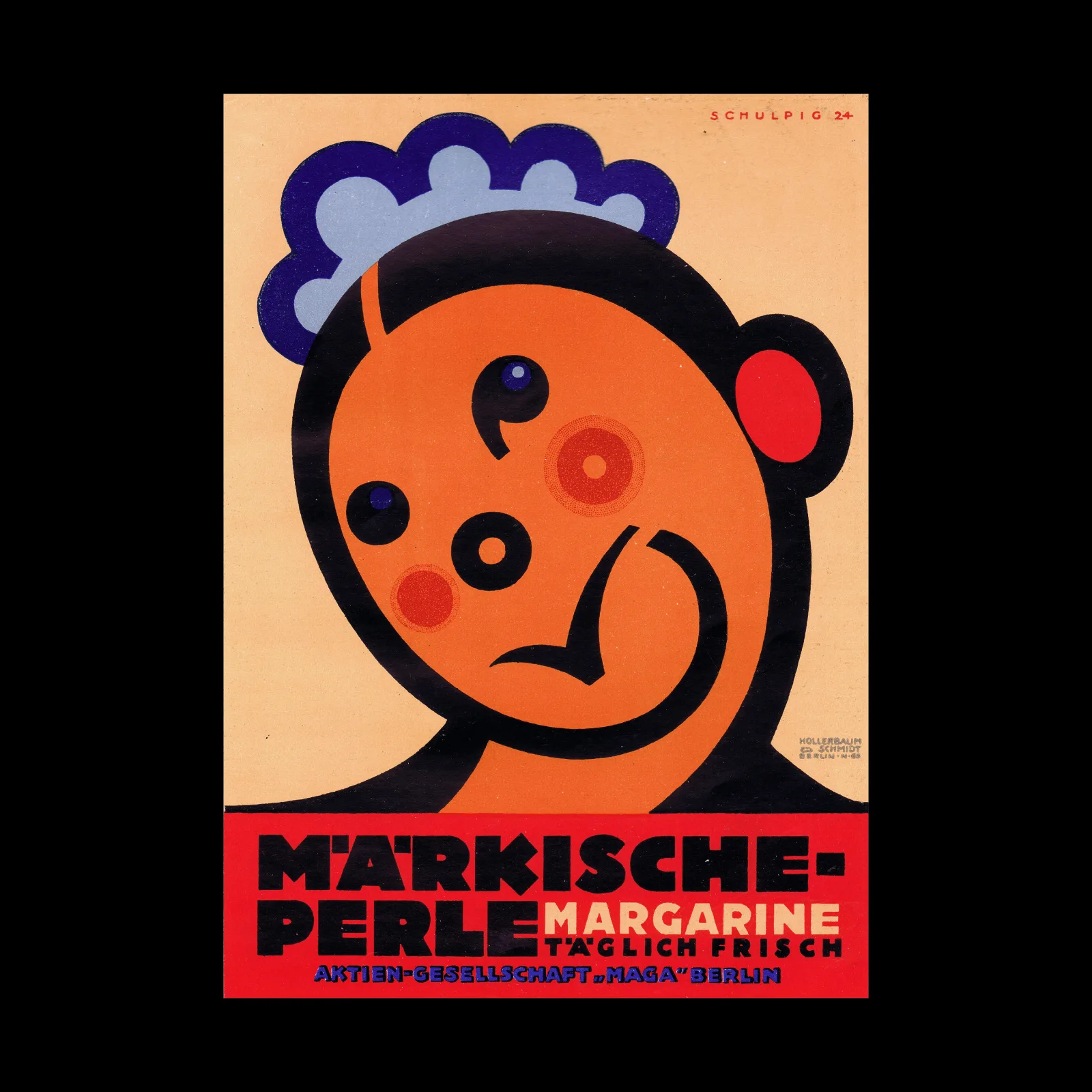
A 1925 article on Karl Schulpig, originally in German and published in Archiv für Buchgewerbe und Gebrauchsgraphik, March 1925.

Read Article

Jazz Programmes designed by Hans Michel and Günther Kieser

Design Archive Feature, Illustration, Members Only Content, Studios & Collectives

Jazz Programmes designed by Hans Michel and Günther Kieser

After researching further into the work designed by their practice, I found ten programmes designed between 1958 and 1960. These programmes were designed for a variety of live jazz events in Germany and all followed the same format.

Read Article