

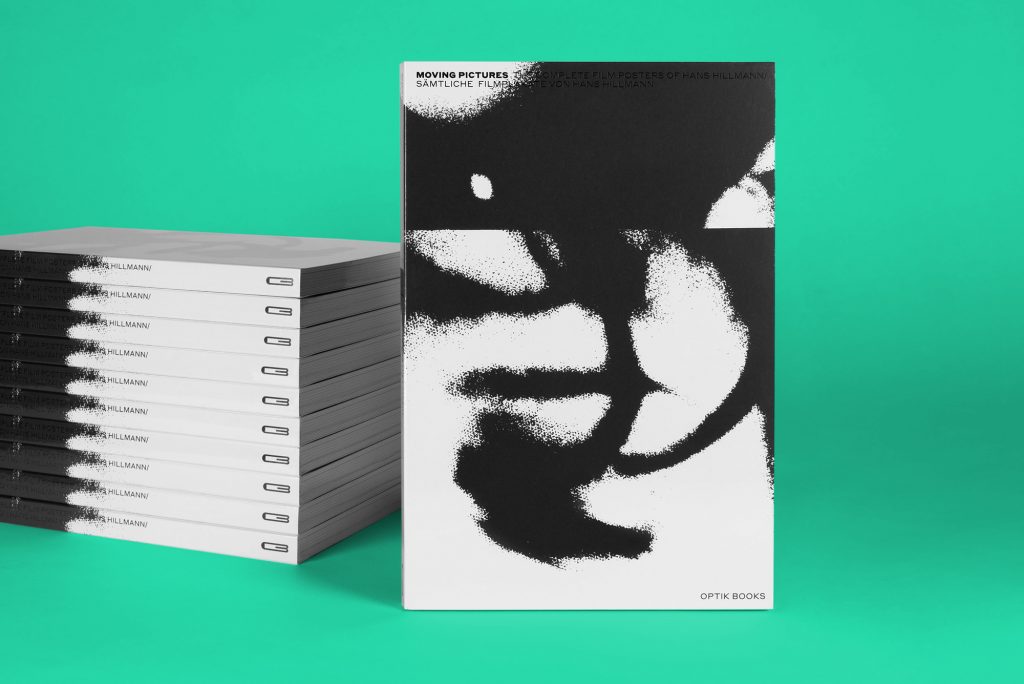
This book shows, for the first time, all of Hans Hillmann’s film posters. Unpublished sketches and drafts from his estate along with commentary from conversations and interviews provide an insight into the creative process of the award-winning designer.
Read Article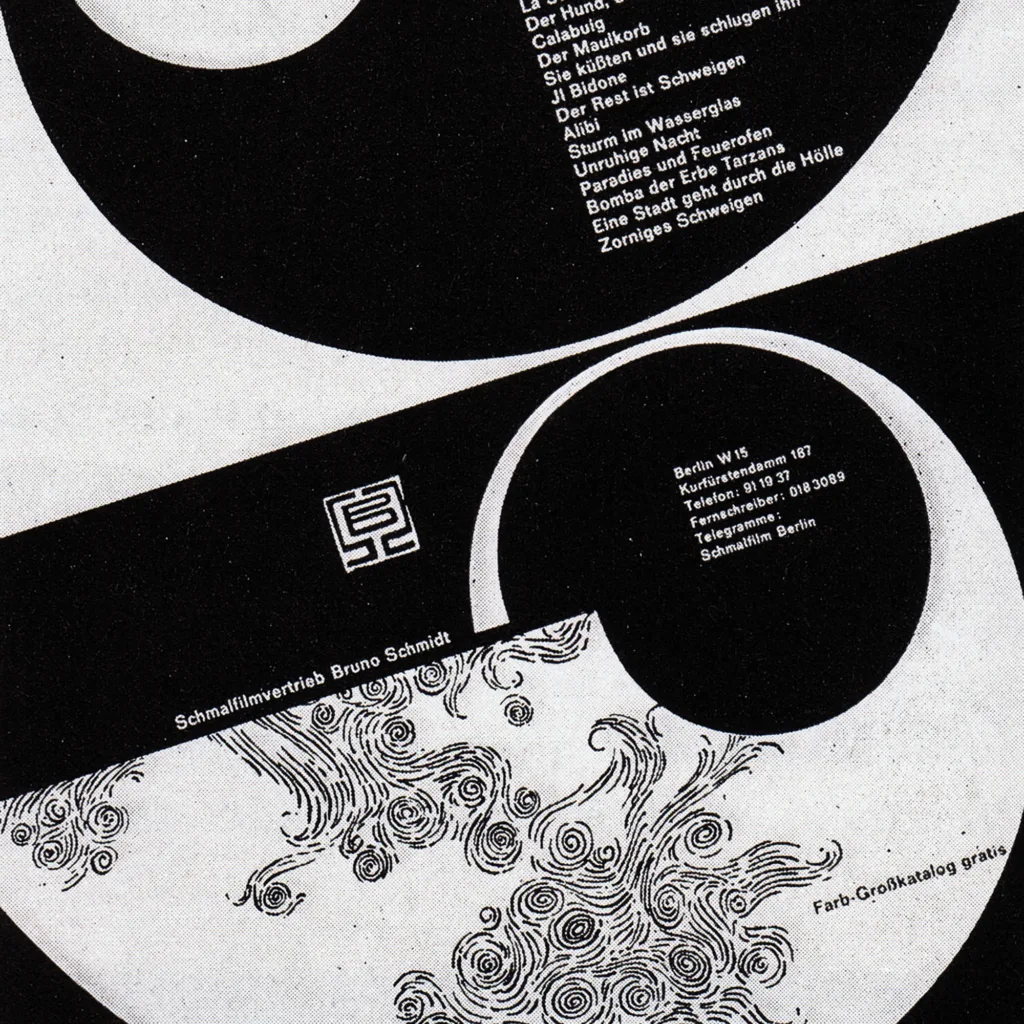
Advertising Design, Design Archive Feature, Members Only Content
Little is known about the designer Günther Heil. he established his graphic studio in Berlin and designed many advertisements for 8mm and 16mm film distributor Bruno Schmidt in the 1960s. These were created in the same era as the film distributor Atlas Films was sending films to art-house theatres and were hiring designers Hans Hillmann, Hans Michel, Günther Kieser, Wolfgang Schmidt and Karl Oskar Blase.
Read Article
Corporate Identity & Branding, Design Archive Feature, Members Only Content, Regional Histories
Giovanni began his work with Olivetti in March 1938, and his work was showcased in various exhibitions and had a clear distinctive style that amplified the Olivetti brand image. His design defined the company’s visual image, and the iconic geometric designs are still as powerful and engaging today as they were in the 1950s.
Read Article