





From the graphic design archive:

From the graphic design archive:
From the graphic design archive:
From the graphic design archive:
Corporate Identity & Branding, Design Archive Feature, Designer Profiles, Members Only Content, Regional Histories
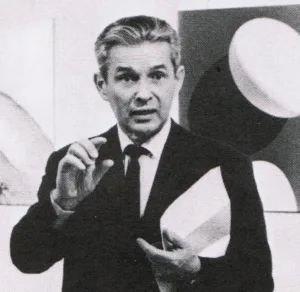
Crouwel was the successor to Willem Sandberg who used an avant-garde approach in his work, utilising torn-paper montage, mixing of sans serif and old Egyptian typefaces and often off-center positioning. Crouwel steered away from this artistic approach and implemented a cohesive design system and a strong identity that emulated the corporate identity boom of the 1950s and 60s.
Read Article
Advertising Design, Regional Histories
The first American university to accept graphic designers as members of the faculty was the Massachusetts Institute of Technology, called M. I. T, for short. The work created by the design group reflects the high level of instruction, the realistic setting of the training and the progressive philosophy of this institute.
Read Article
Design Archive Feature, Members Only Content, Movements, Regional Histories
Japanese modern design was heavily influenced by European art movements, particularly modernism and the Bauhaus school. As Japan's advertising industry expanded, it increasingly drew from Western culture, especially television and film, resulting in designs that were eclectic, vibrant, and infused with modernist energy.
Read Article