


Last month (March 2022), I spoke to over fifty Graphic Design undergraduates about the archive and my passion for design history, after which the students had full access to items in the collection and participated in discourse amongst their peers and lecturers. As part of their critical studies unit, the students will be producing essays and content related to the impact, history and aesthetics of selected artefacts.
Read Article
Design Archive Feature, Designer Profiles, Magazines & Publishing, Members Only Content, Regional Histories
Throughout the 1920s and 1930s, Paul Schuitema emerged as one of the Dutch pioneers of new typography. This article features a selection of the cover designs and a few inner spreads from my collected issues of De 8 en Opbouw.
Read Article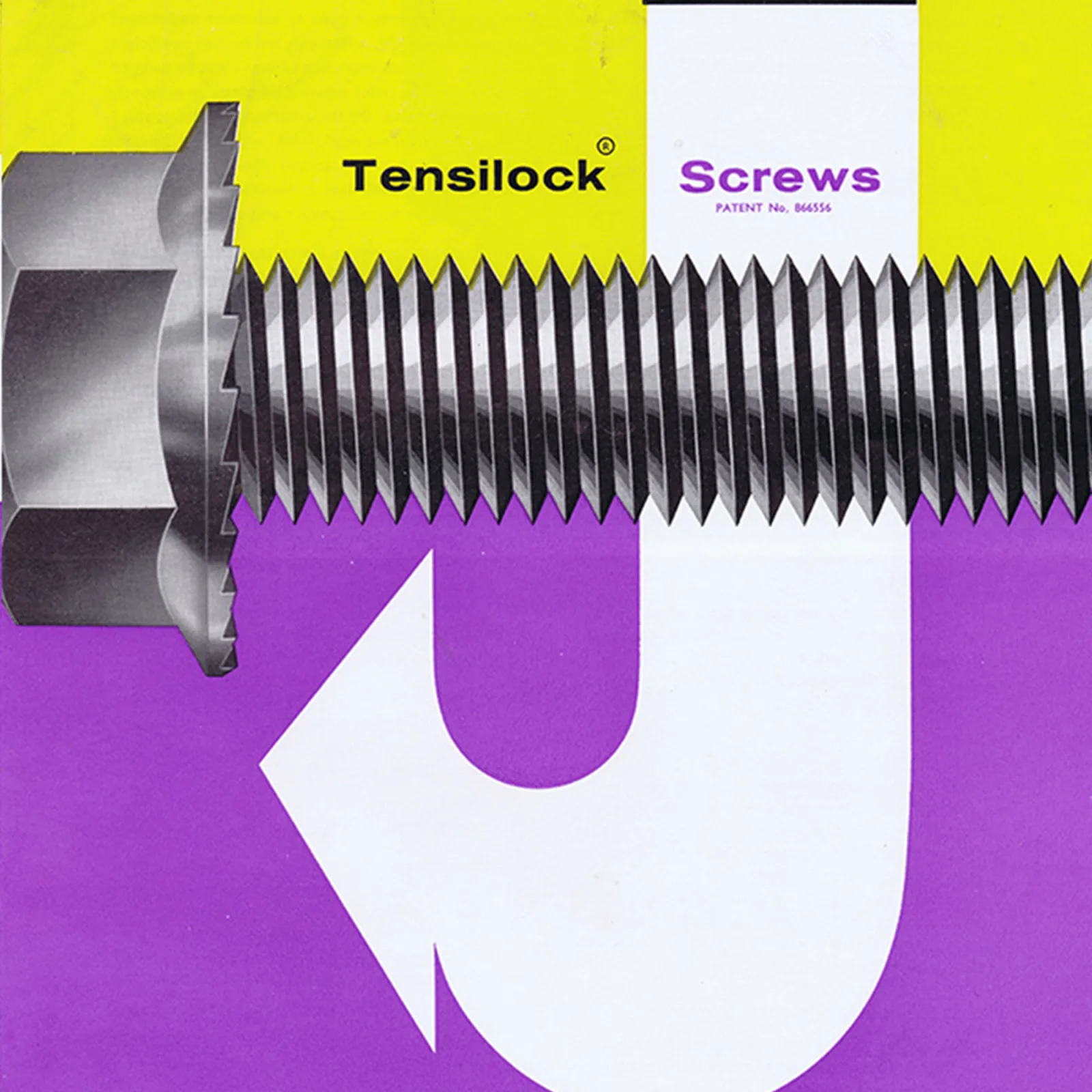
Advertising Design, Design Archive Feature, Members Only Content, Regional Histories
The clear, rational, and functional design of 1960s industrial design brochures.
Read Article