


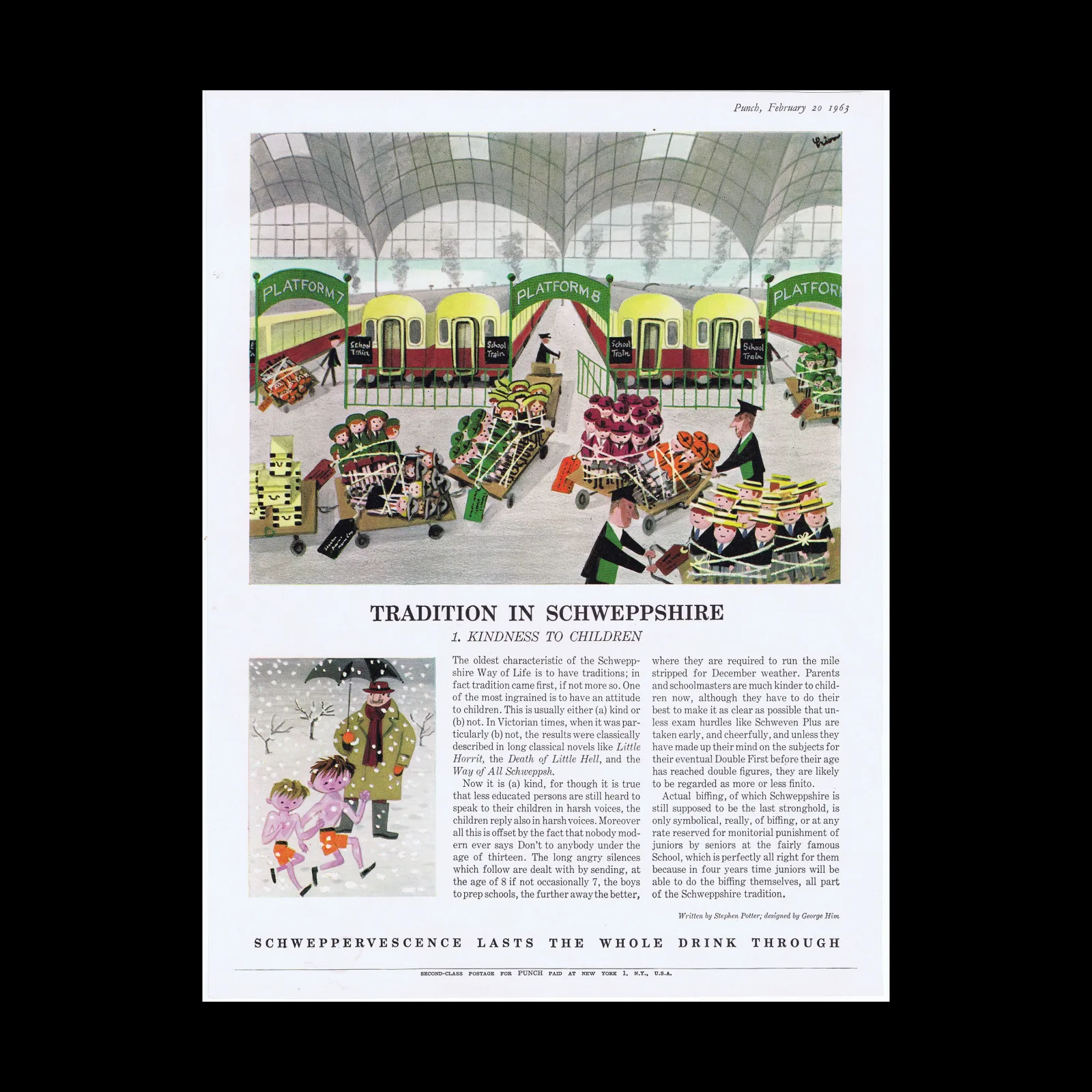
From the graphic design archive:

From the graphic design archive:
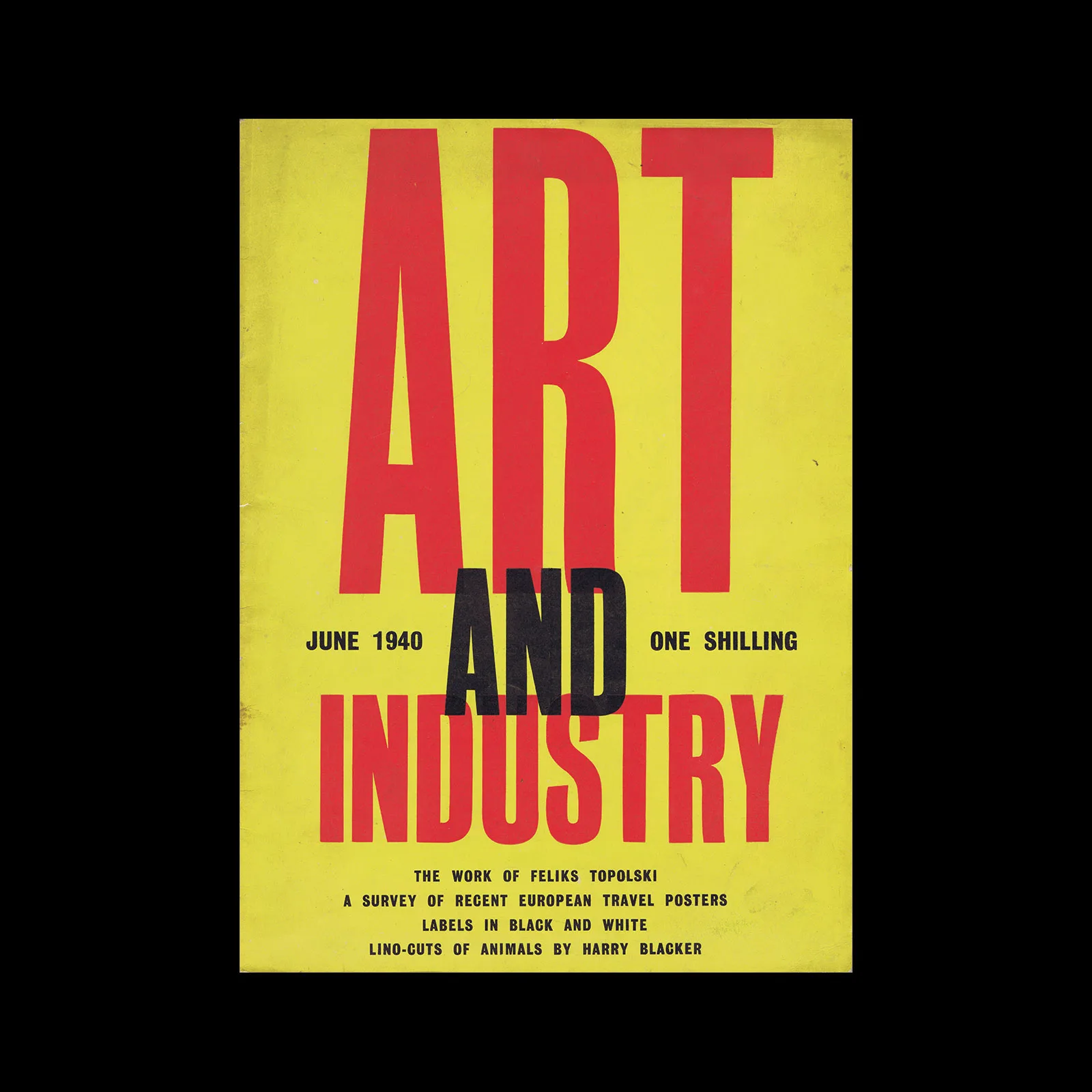
From the graphic design archive:
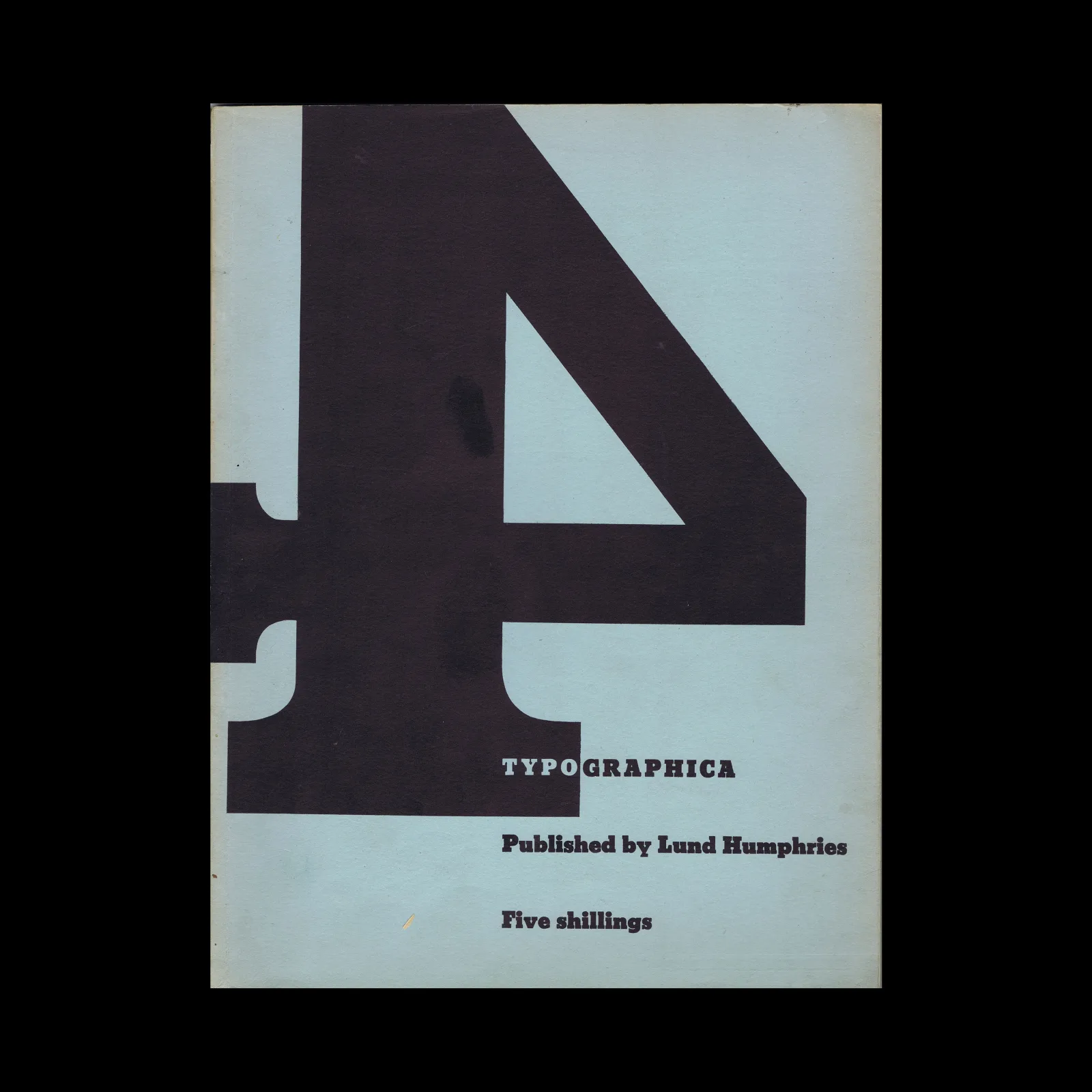
From the graphic design archive:

Designer Profiles, Members Only Content
Olle Eksell is well known for his advertising illustration, book jackets and playful packaging design. He first studied engineering and later decided to become a graphic artist. He began his career as a window decorator in 1935, and studied under Hugo Steiner between 1939 and 1941.
Read Article
Design Archive Feature, Corporate Identity & Branding, Members Only Content
Paul Rand, one of the most acclaimed American designers is known for his iconic corporate identities, playful illustration and commercial art. Paul wrote the preface for Yusaku Kamakura's book, Trademarks of the World, 1958. He states his influence of Japanese art and design, trademarks as a universal language and his struggles with English grammar.
Read Article
Design Archive Feature, Ephemera, Members Only Content, Regional Histories
Beyond being mere artefacts of design, these examples of Japanese Ephemera show the dynamic changes Japan was undergoing during this period. The design output of this era not only served commercial purposes but also became a powerful medium for expressing these societal shifts.
Read Article