


From the graphic design archive:

From the graphic design archive:

From the graphic design archive:
From the graphic design archive:

Advertising Design, Design Archive Feature, Members Only Content
Rastorfer transformed the advertising of Volkswagen and his work contrasted with that of the previously commissioned designers. It reiterates the importance of finding a designer who can transform your vision and adverting and how the significance of consistent messaging across advertisements, contributes to the creation of a memorable campaign
Read Article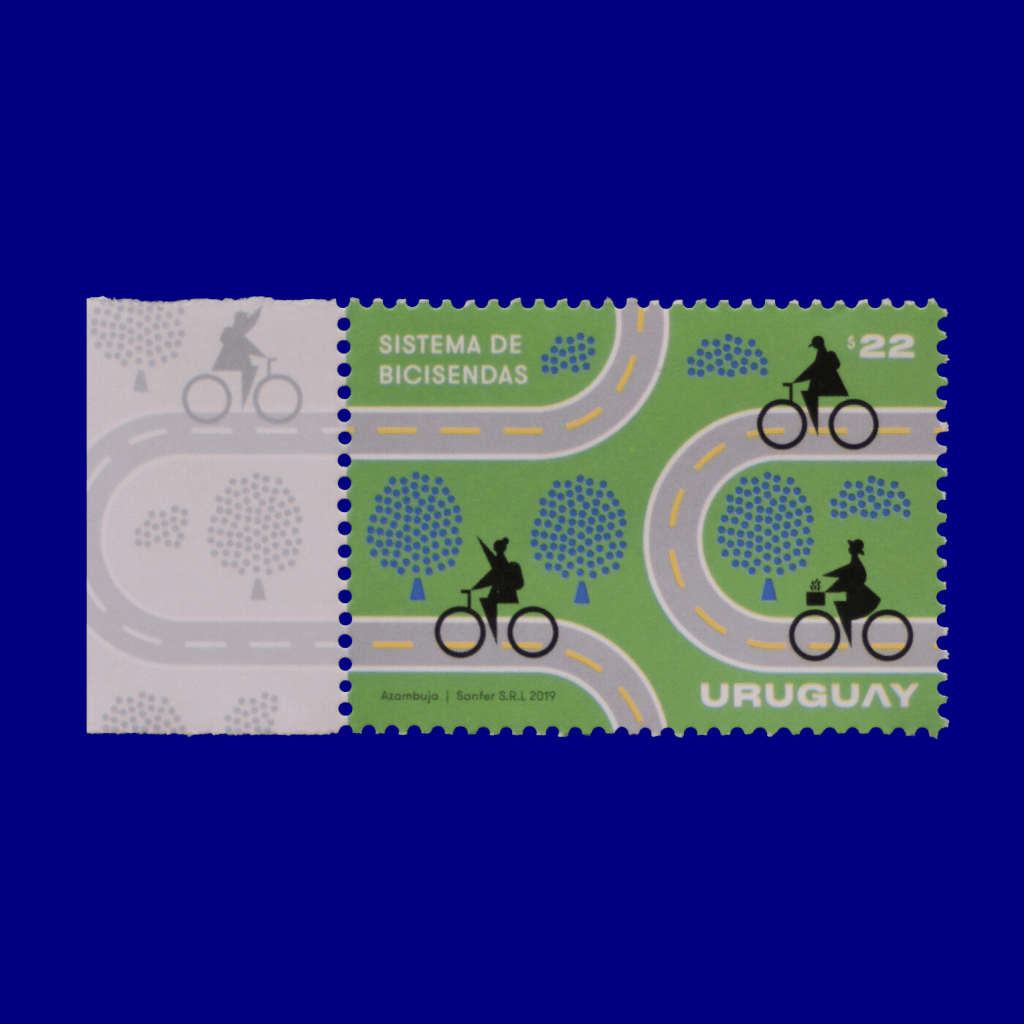
Designer Interview, Regional Histories
Gabriel sent me a link to his amazing Uruguayan Graphic Design Archive when I launched Design Reviewed. The content was so amazing, I ended up spending a good hour looking through the content and it has definitely made it to my bookmarks.
Read Article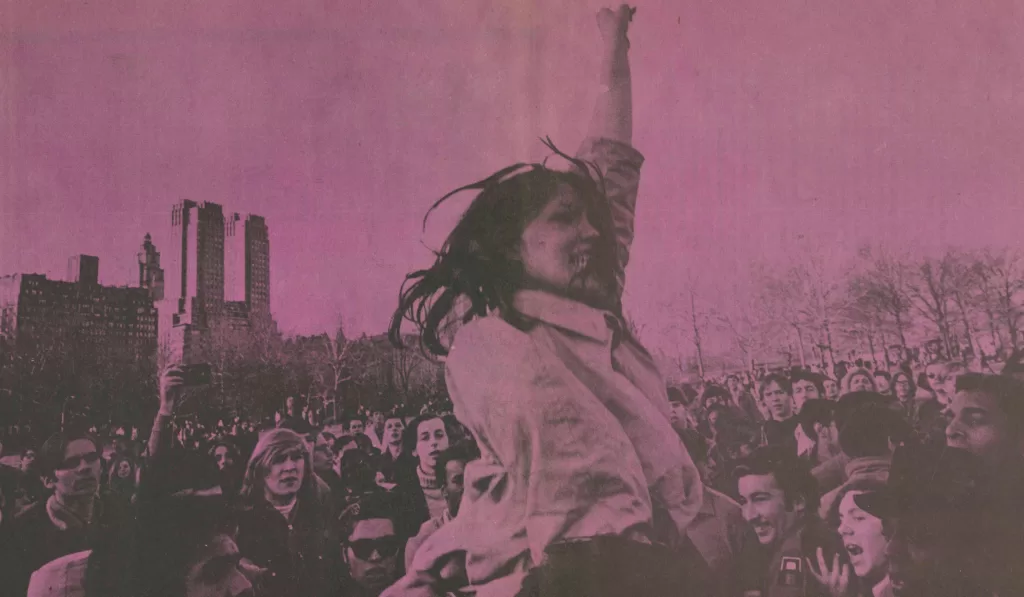
Design & Politics, Design Archive Feature, Members Only Content, Movements, Regional Histories
The 1960s was an era characterised by political, social, and cultural shifts. The counterculture movement emerged as a response to the perceived failures of the mainstream establishment, sparking a wave of activism and alternative ideologies. And with these an array of printed matter. Counterculture publications, often referred to as the "underground press," became powerful platforms for dissent, expression, and the exploration of new ideas.
Read Article