


by Patrick Rossler
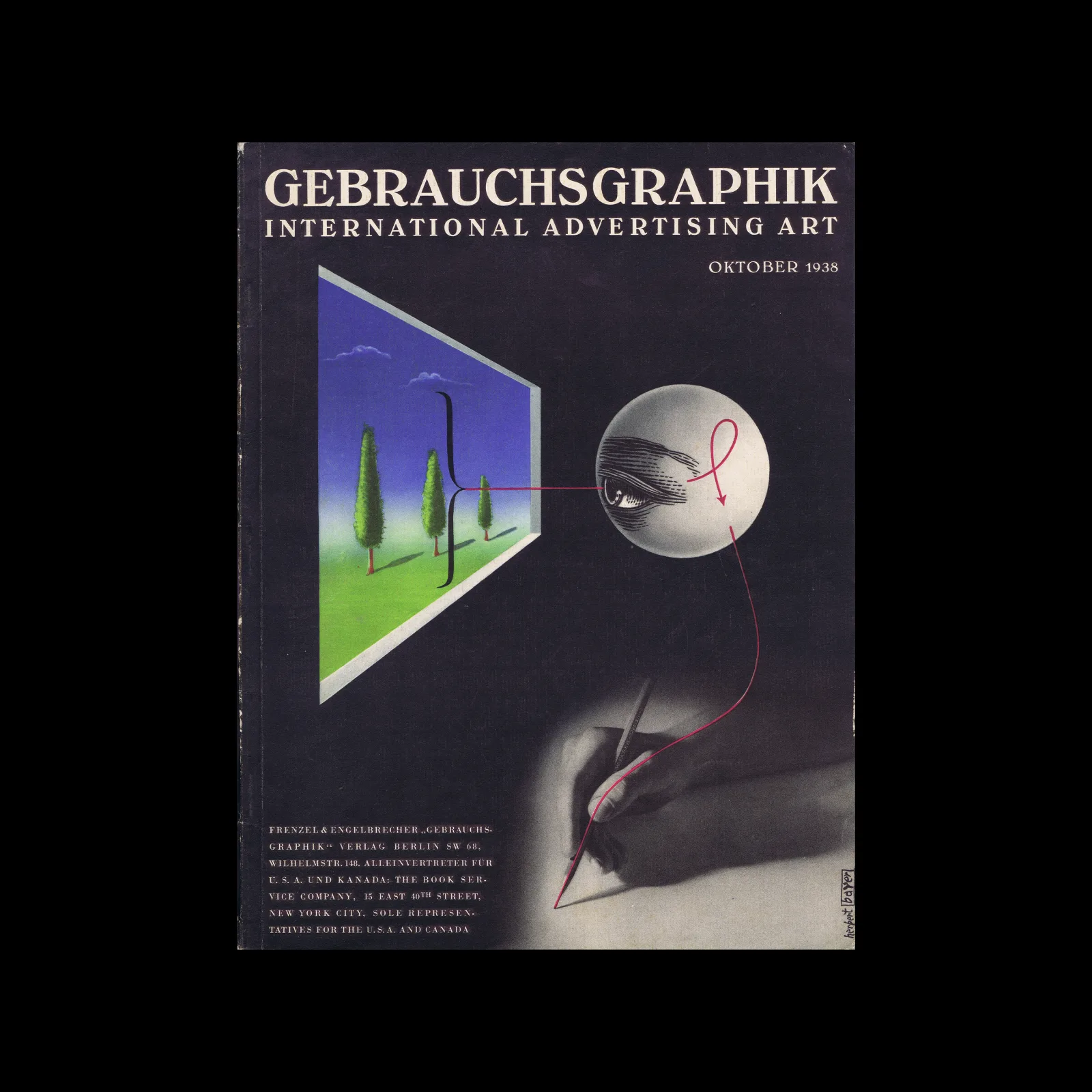
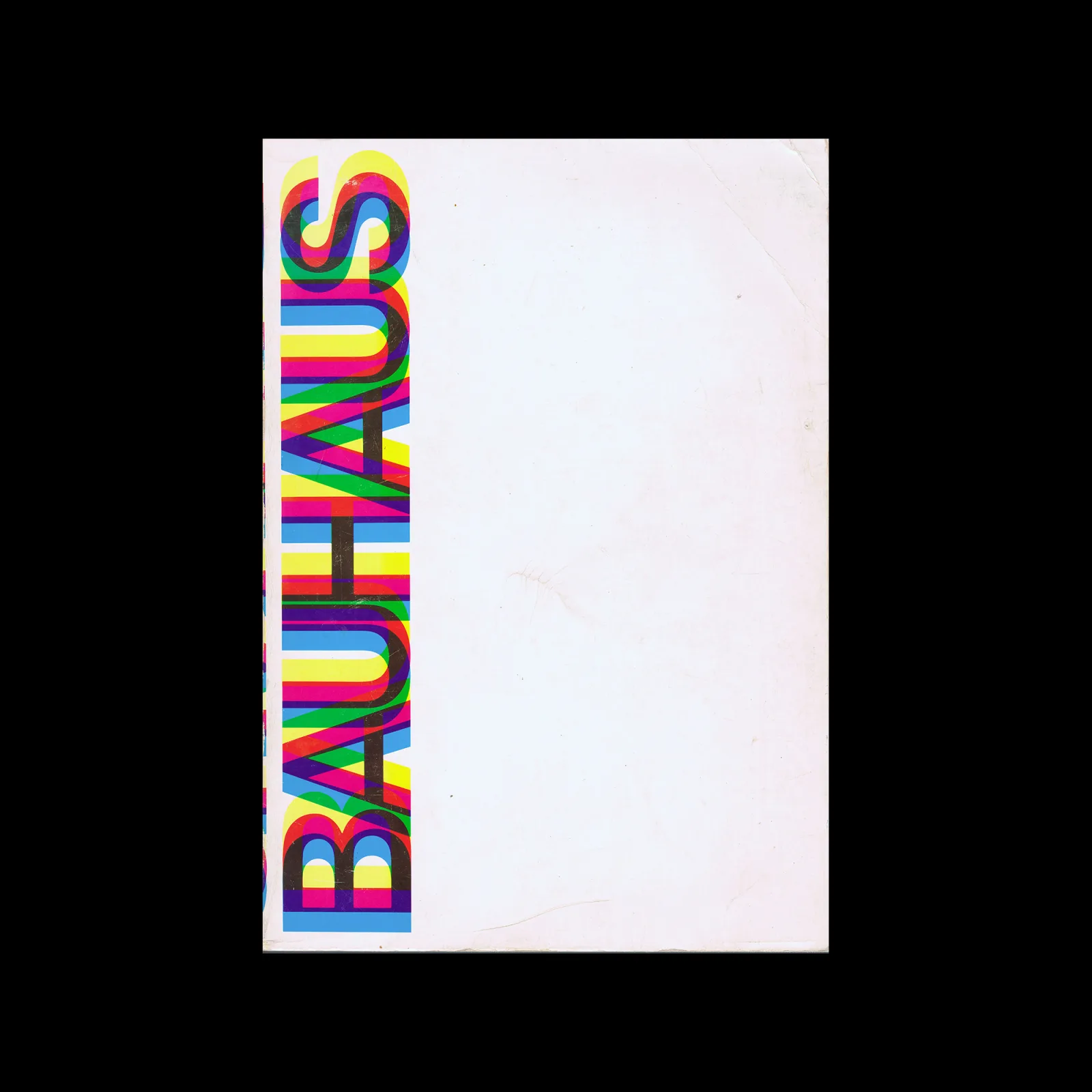
‘Between 1929 and 1943, an outstanding new lifestyle magazine called Die Neue Linie (“The New Line”) was published by Beyer Press in Leipzig. No other publication in this period was so consistent in bringing avant-garde typographic ideas to a mass audience, as leading graphic designers from the Bauhaus, including László Moholy-Nagy, Umbo and Herbert Bayer, steered the look of the magazine, whose contents combined fashion, literature, graphic design and art. Unembellished fonts, dynamic diagonals and dramatic use of photomontage were key to the journal’s striking appearance. Its authors included Walter Gropius, Aldous Huxley, Gottfried Benn and Thomas Mann; even the advertising pages, designed by Bauhaus veterans Herbert Bayer and Kurt Kranz, were always attractively composed. Despite widespread media conformity during the Nazi era, strangely Die Neue Linie was largely spared the regime’s sanctions. The Bauhaus at the Newsstand illustrates the turbulent times in which the magazine appeared, reproducing spreads, statements, articles, a visual checklist of every issue and analyses of the magazine’s delicate balancing act between modernism and conformity. The Bauhaus at the Newsstand is published as an abridged, revised and bilingual edition of the bestselling edition of 2007.’


From the graphic design archive:
Marin Lorenz has had an amazing career, designing for clients such as ESPN and Nike, teaching at some of Europe's leading design schools and publishing books, such as Flexible Visual Sytems, documenting his research and approach to design practice.
Read Article
Design Archive Feature, Ephemera, Members Only Content, Regional Histories
Collected Japanese ephemera From the late 1920s to the mid-1930s, from Japan's transformative period, with its robust industrial force accompanied by an increase in consumer culture.
Read Article
Design Archive Feature, Designer Profiles, Members Only Content, Regional Histories
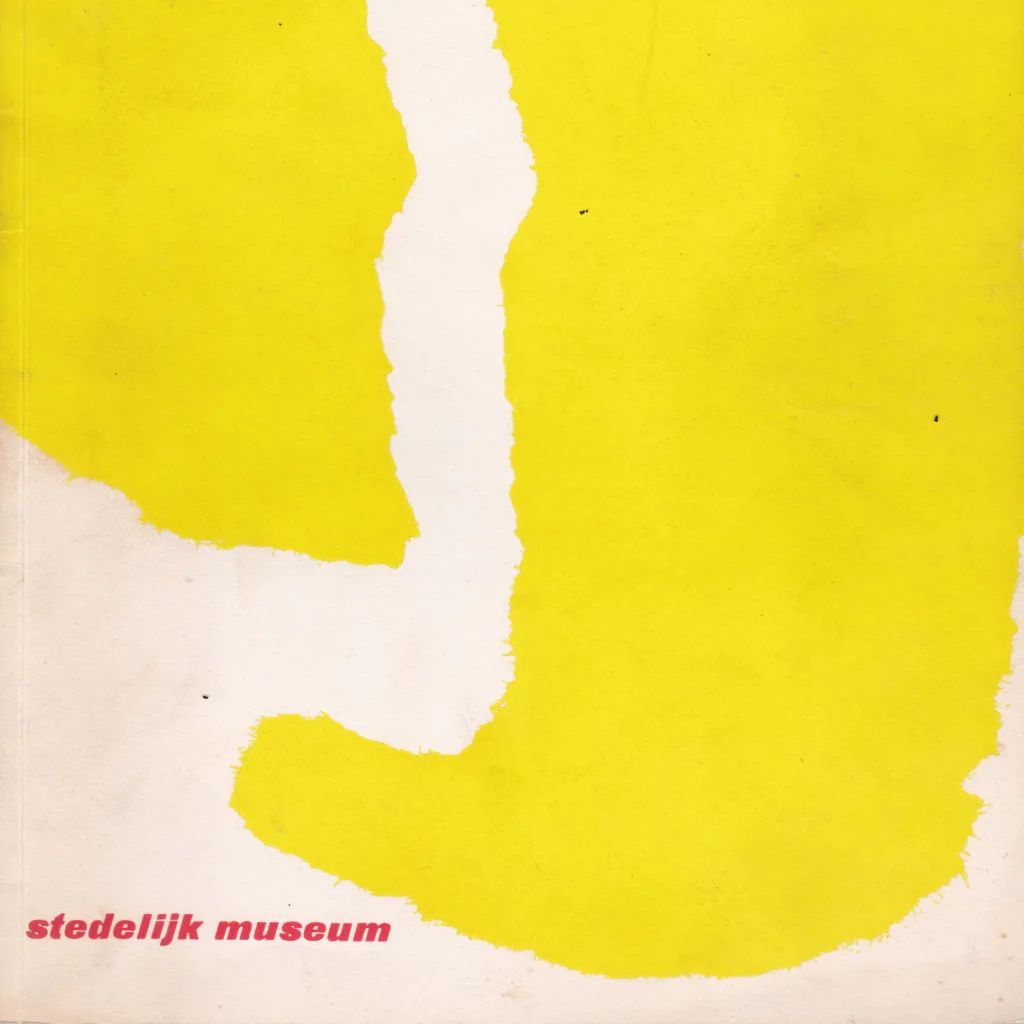
This 1,500 word essay is about the life and work of Willem Sandberg and is illustrated with part of my collection of over 100 pieces of Sandberg’s work, including books, Stedelijk Museum catalogues, and various individual printed items.
Read Article