 The Jazz Scene, 1961 design by Alan Fletcher

The Jazz Scene, 1961 design by Alan Fletcher

From the graphic design archive:

From the graphic design archive:

From the graphic design archive:

From the graphic design archive:
Design Archive Feature, Members Only Content, Poster Design, Regional Histories
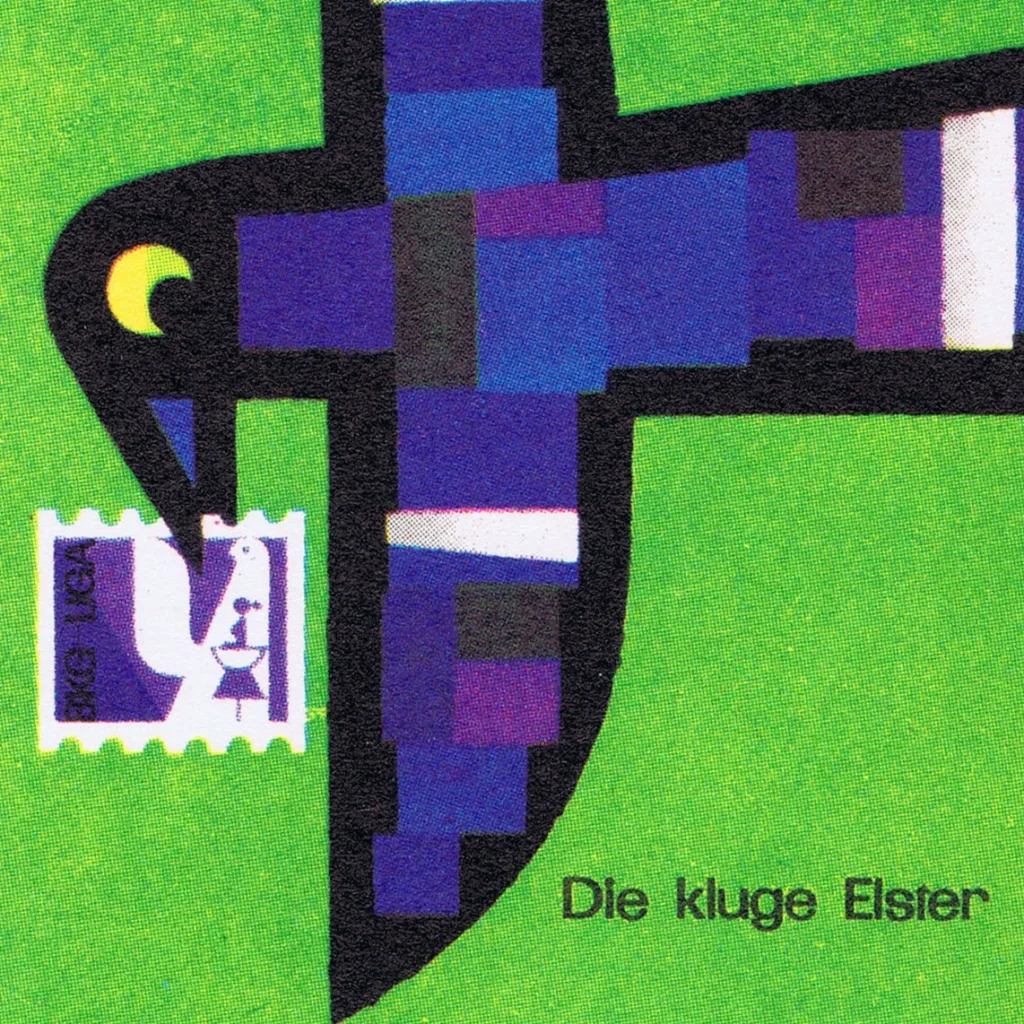
The best poster designs from Die besten Plakate des Jahres 1957 with a translated foreword by Walter Kern. Featuring the work of J. Müller-Brockmann, Gottlieb Soland, Mary Vieira and Celestino Piatti.
Read Article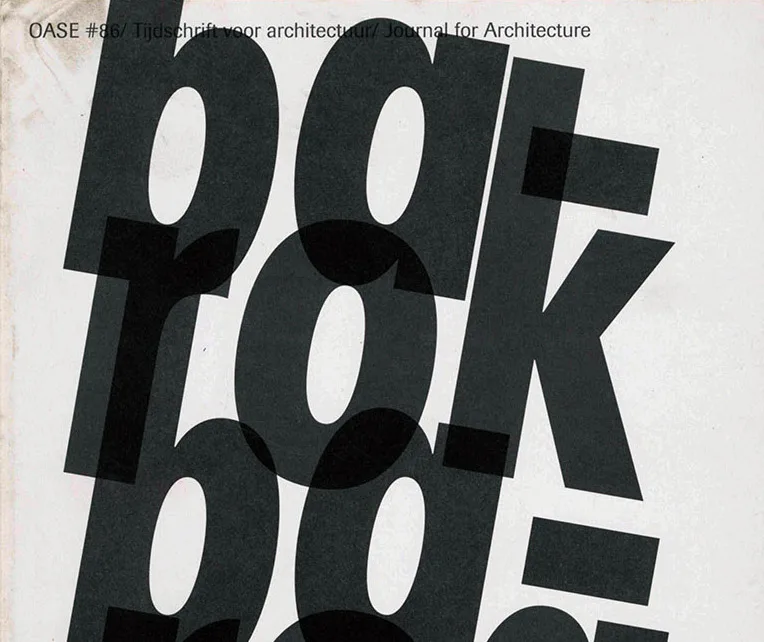
Design Archive Feature, Designer Profiles, Magazines & Publishing, Members Only Content, Typography & Type Design
Karel Martens is one of the most influential Dutch graphic designers, co-founder of the Werkplaats Typografie, working across books, magazines, coins, postage stamps and telephone cards
Read Article
Design Archive Feature, Designer Profiles, Members Only Content, Movements, Regional Histories
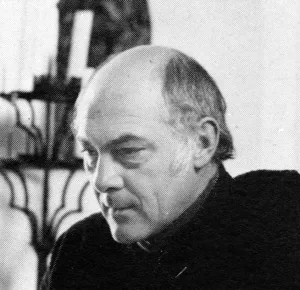
Wolfgang Weingart's artistic design delved into the intricacies of Swiss typography, skillfully dissecting its elements while venturing into texture and type experimentation. His layered montages radiated dynamic kinetic energy, standing in stark contrast to the minimalist approach of his instructors, embracing a more maximalist aesthetic.
Read Article