

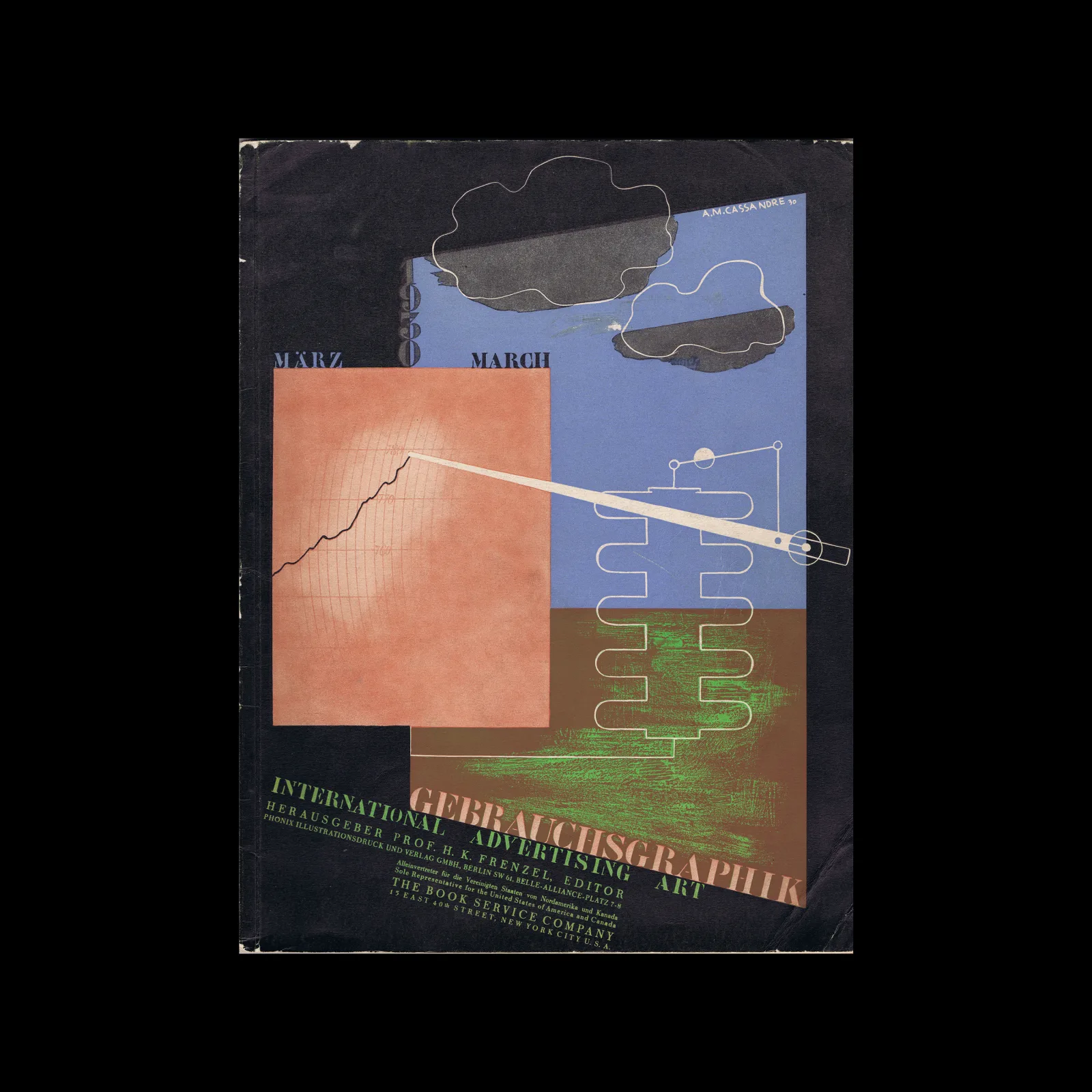
From the graphic design archive:

From the graphic design archive:

From the graphic design archive:
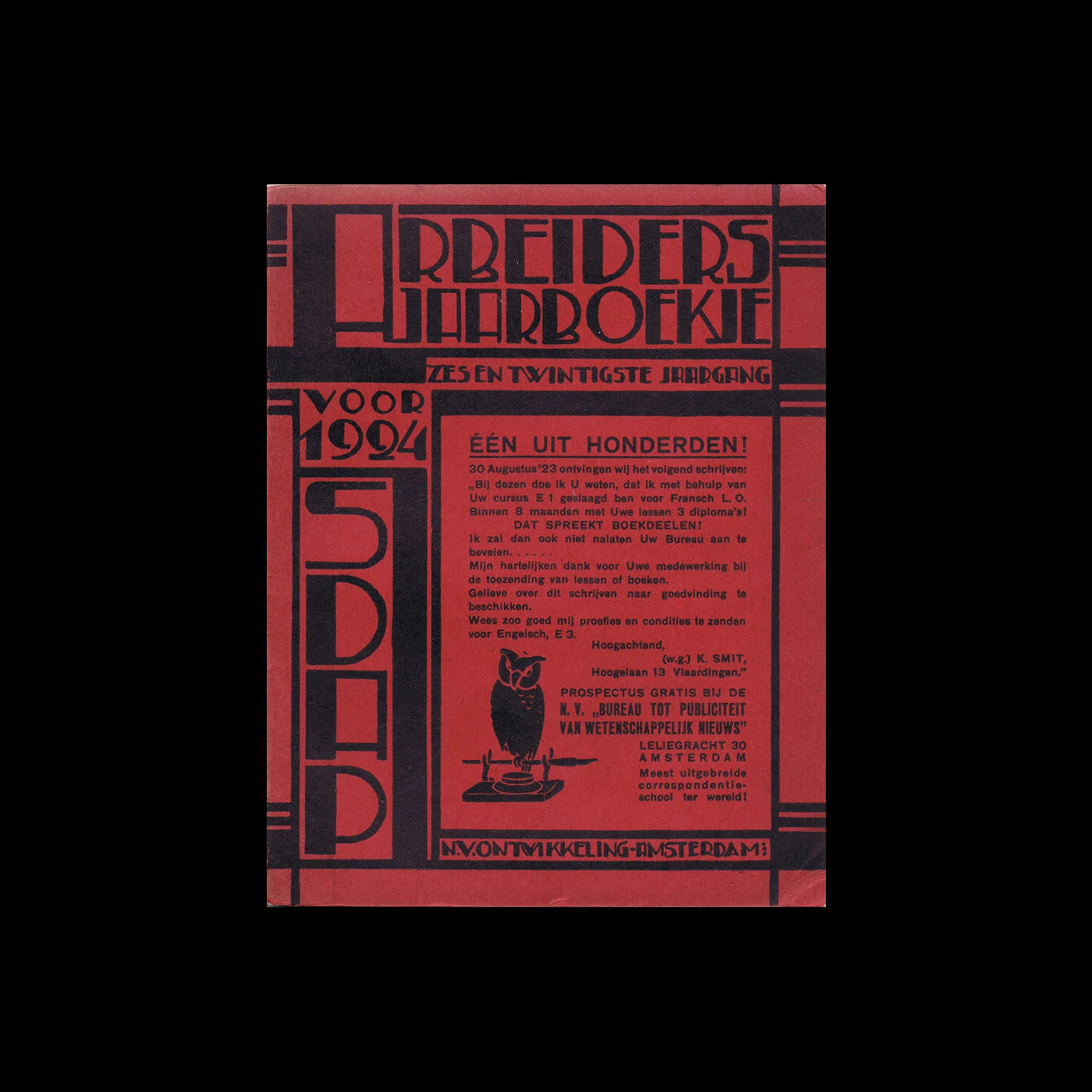
From the graphic design archive:
Designer Profiles, Members Only Content
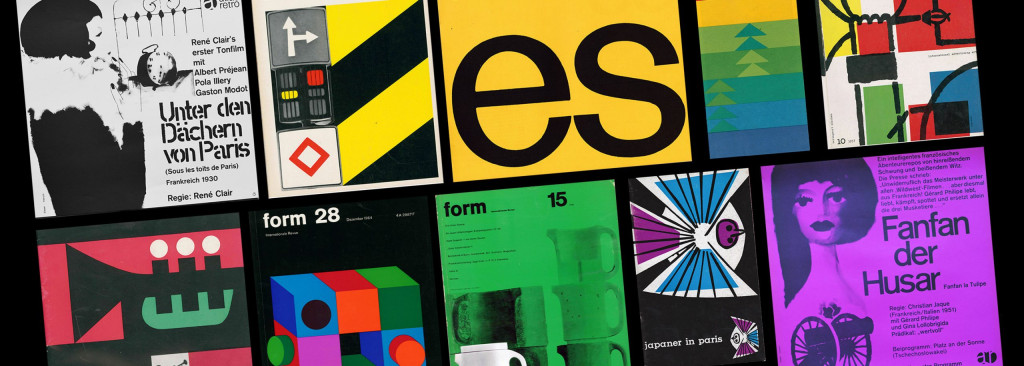
Karl Oskar Blase was born in 1925 in Cologne, Germany. He was a prolific painter, designer, sculptor and exhibition curator. His work included magazine covers, for publications such as Form and Gebrauchsgraphik, stamp designs for the German Postal Service and film posters for companies such as Atlas Films.
Read Article
Design Archive Feature, Design Education, Members Only Content, Movements
The Bauhaus approach to design emphasised simplicity, functionality, and the integration of modern technologies and materials. A century later, many of the principles taught at the school remain fundamental to contemporary design practices.
Read Article
Design Archive Feature, Illustration, Members Only Content, Regional Histories
A while back, I bought a set of around 14 French travel guides produced by Shell that came in a leather pouch, each bearing the signature ‘D. Hamot.’ Determining the designer's full name proved to be a challenge. Their aesthetic could reflect the shifting design trends of the late 1960s.
Read Article