
Total DesignWim Crouwel

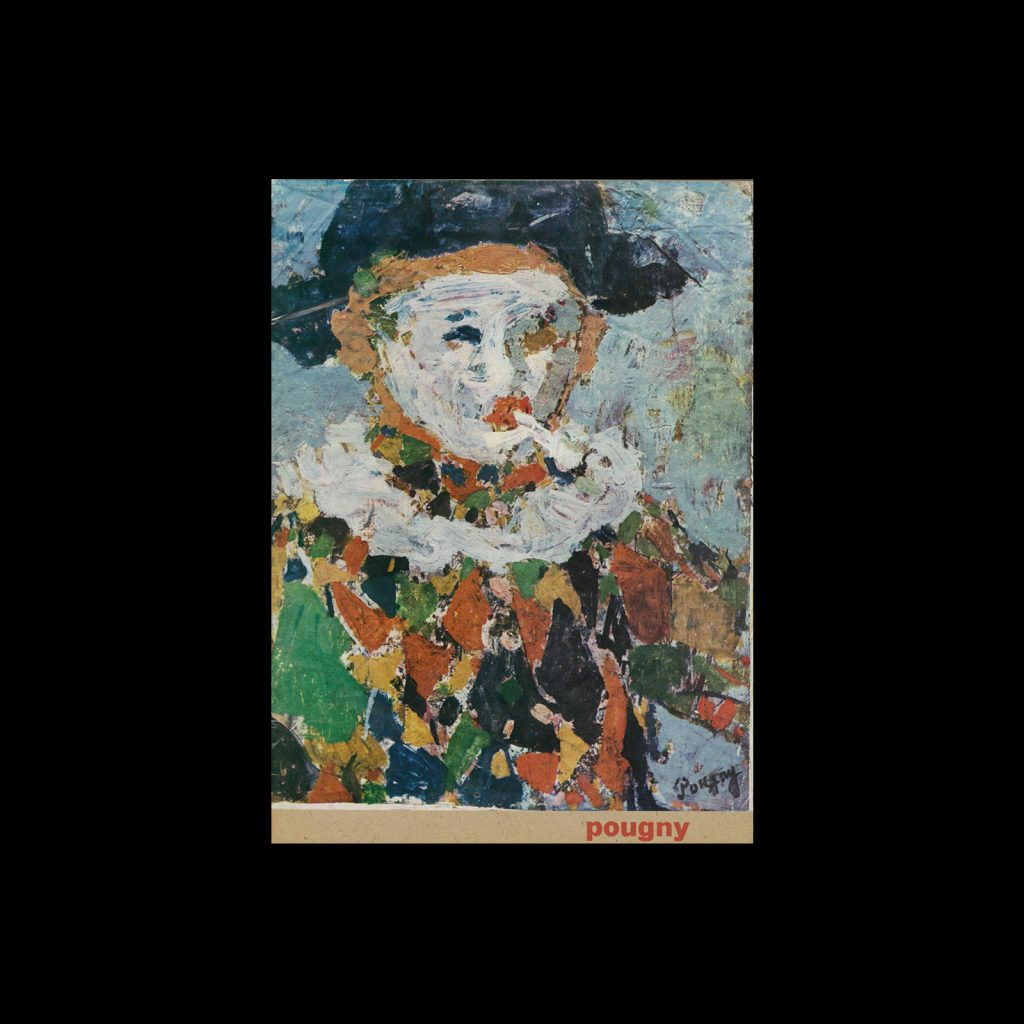
Tomitaro Nachi, Stedelijk Museum, Amsterdam, 1974

Details

  • Format Exhibition Catalogue
  • Designer/s Wim Crouwel and Daphne Duijvelshoff (Total Design)
  • Year 1974
  • Client/Publisher Stedelijk Museum, Amsterdam
  • Size 210mm x 275mm
Wim Crouwel and Daphne Duijvelshoff (Total Design)
Daphne van Peski (Duijvelshoff) was born in 1942. She was a designer at Total Design and designed many Stedelijk Museum catalogues with Wim Crouwel. Daphne was also a member of the GVN, the Dutch association of graphic designers. Explore related designers including Wim Crouwel and Jolijn van de Wouw. See also Total Design and Dutch Modernism.
Total Design was founded in Amsterdam in 1963 by Wim Crouwel, Friso Kramer, Benno Wissing, and Paul and Dick Schwarz and was the first large-scale multidisciplinary design consultancy in the Netherlands. Under Crouwel's creative direction the studio developed a rigorous systematic approach rooted in grid systems and neutral typography. Its long-running relationship with the Stedelijk Museum Amsterdam produced catalogues, posters, and exhibition graphics that remain among the most influential bodies of institutional design in postwar Europe. Other major clients included the Dutch Post Office and Schiphol airport. The practice continues today as Total Identity. Explore designers associated with Total Design including Wim Crouwel, Jurriaan Schrofer, and Benno Wissing. See also Dutch Modernism, Dutch graphic design history, and 1960s graphic design history.
Willem Hendrik Crouwel was born in 1928 in Groningen, Netherlands. He studied at the Academy of Arts and Crafts in Groningen and took evening classes at the Institute of Arts and Crafts, now the Rietveld Academy. His teacher, Charles Jongejans, was trained by notable Dutch designers Paul Schuitema and Gerard Kiljan. In 1952, Crouwel began his design career at Enderberg, designing exhibitions and trade stands, gaining valuable experience. After leaving Enderberg in 1956, he founded a studio with industrial designer Kho Liang Ie, working on various projects across design disciplines, including graphic and exhibition design. Influenced by mid-century Swiss typography, Crouwel explored letterforms and graphic systems, using fonts like Helvetica and Univers. His early clients included the Van Abbe Museum, where he designed catalogues and posters. In 1963, he co-founded the influential design agency Total Design and also started working for the Stedelijk Museum, collaborating with Edy de Wilde until 1986. Explore the Design Reviewed archive to discover artefacts connected to Wim Crouwel. The Dutch Modernism movement, the Netherlands and the 1960s and 1970s decade pages.

Linked Information

Tomitaro Nachi, Stedelijk Museum, Amsterdam, 1974 designed by Wim Crouwel and Daphne Duijvelshoff (Total Design)
More graphic design artefacts
More graphic design history articles
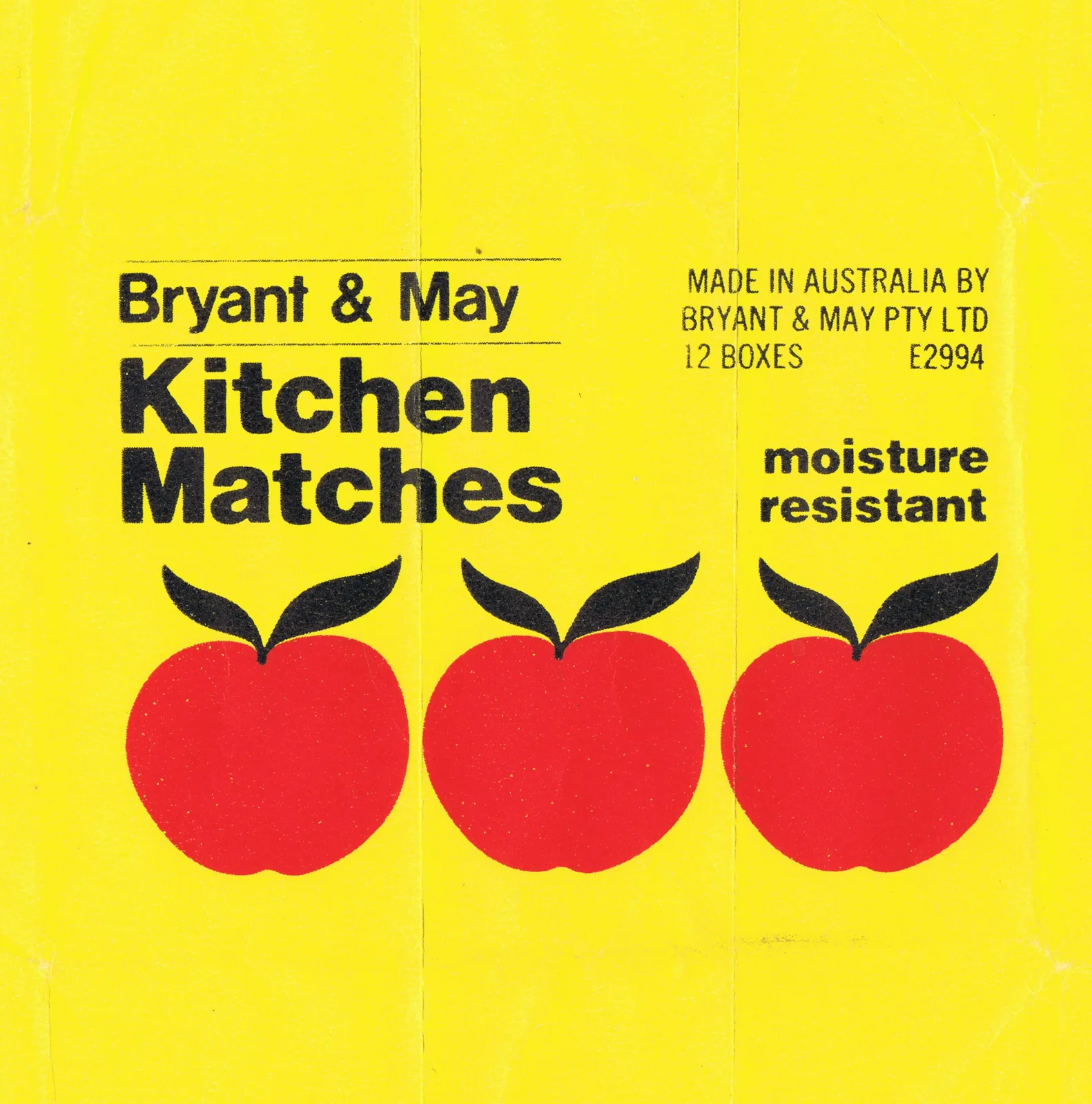
Advertising in Your Pocket. Matchbox Labels

Advertising Design, Design Archive Feature, Ephemera, Members Only Content

Advertising in Your Pocket. Matchbox Labels

A collection of matchbox labels from around the world. Graphic design history of one of advertising's smallest and most overlooked formats.

Read Article
Covering Art Nouveau, the Czech magazine, Typografia

Design Archive Feature, Magazines & Publishing, Members Only Content, Regional Histories

Covering Art Nouveau, the Czech magazine, Typografia

A great way to visualise these stylistic variations and their progression is by looking through magazine covers and interior pages produced during the movement. The covers of Typografia that best represent the Czech Secese style of Art Nouveau were produced between 1907 and 1911.

Read Article
A Collection of Japanese Ephemera from the 1920s and 30s

Design Archive Feature, Ephemera, Members Only Content, Regional Histories

A Collection of Japanese Ephemera from the 1920s and 30s

Collected Japanese ephemera From the late 1920s to the mid-1930s, from Japan's transformative period, with its robust industrial force accompanied by an increase in consumer culture.

Read Article