


From the graphic design archive:

From the graphic design archive:

From the graphic design archive:

From the graphic design archive:
Design Archive Feature, Designer Profiles, Members Only Content, Regional Histories
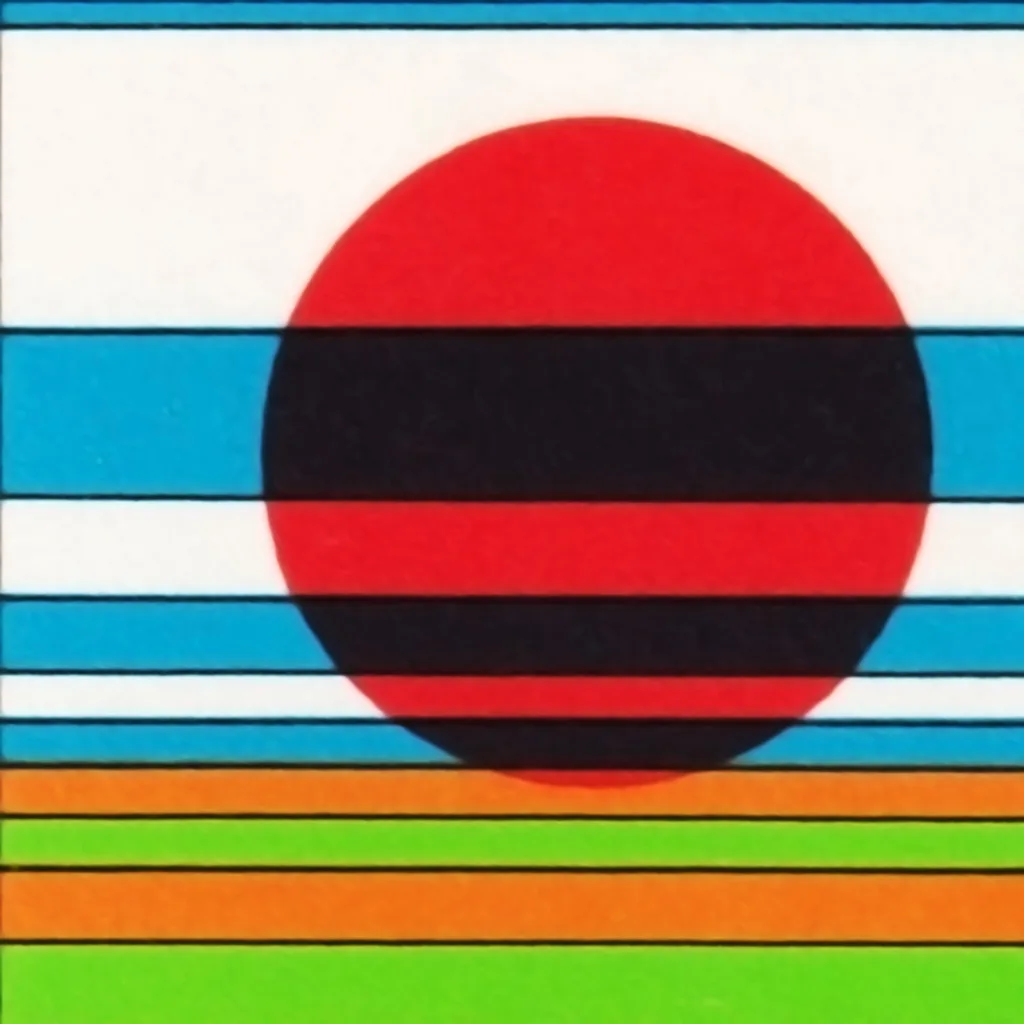
Dick Elffers, had been the chosen designer for the printed matter of the Holland Festival for much of the festival's years, he used a painterly style for his work with the festival between 1954 and 1965 and later a more abstract style between 1969 and 1972. As well as publicity design, Elffers was commissioned to design the summer stamps to promote the Holland Festival in 1972.
Read Article
Book Reviews & Press Releases, Regional Histories
Both educators have a keen interest in multiscriptual design, Arabic type design, and graphic design and recently released A History of Arab Graphic Design. I contacted Bahia and Haythem to find out more.
Read Article
Design Archive Feature, Members Only Content, Movements, Regional Histories
Japanese modern design was heavily influenced by European art movements, particularly modernism and the Bauhaus school. As Japan's advertising industry expanded, it increasingly drew from Western culture, especially television and film, resulting in designs that were eclectic, vibrant, and infused with modernist energy.
Read Article