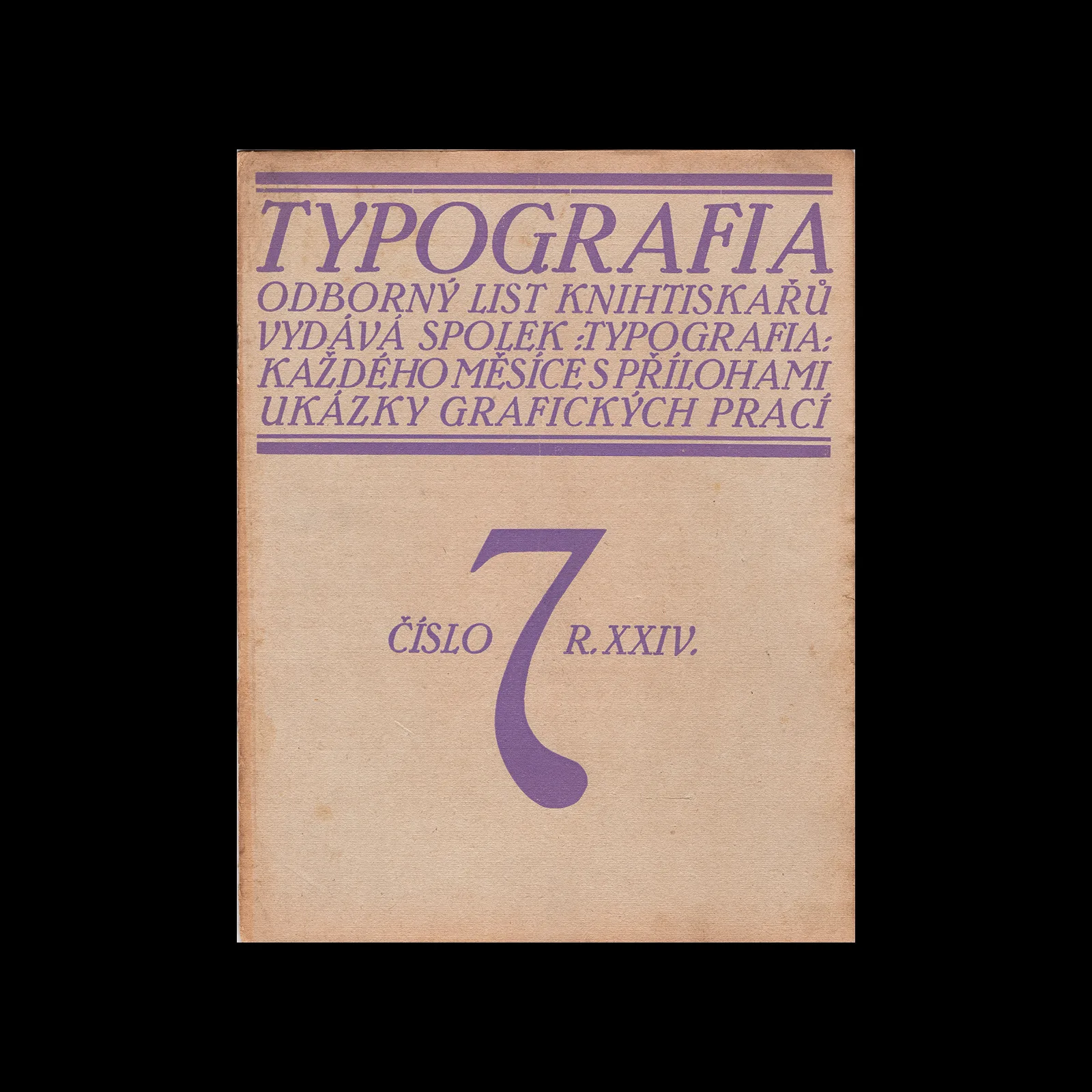


From the graphic design archive:
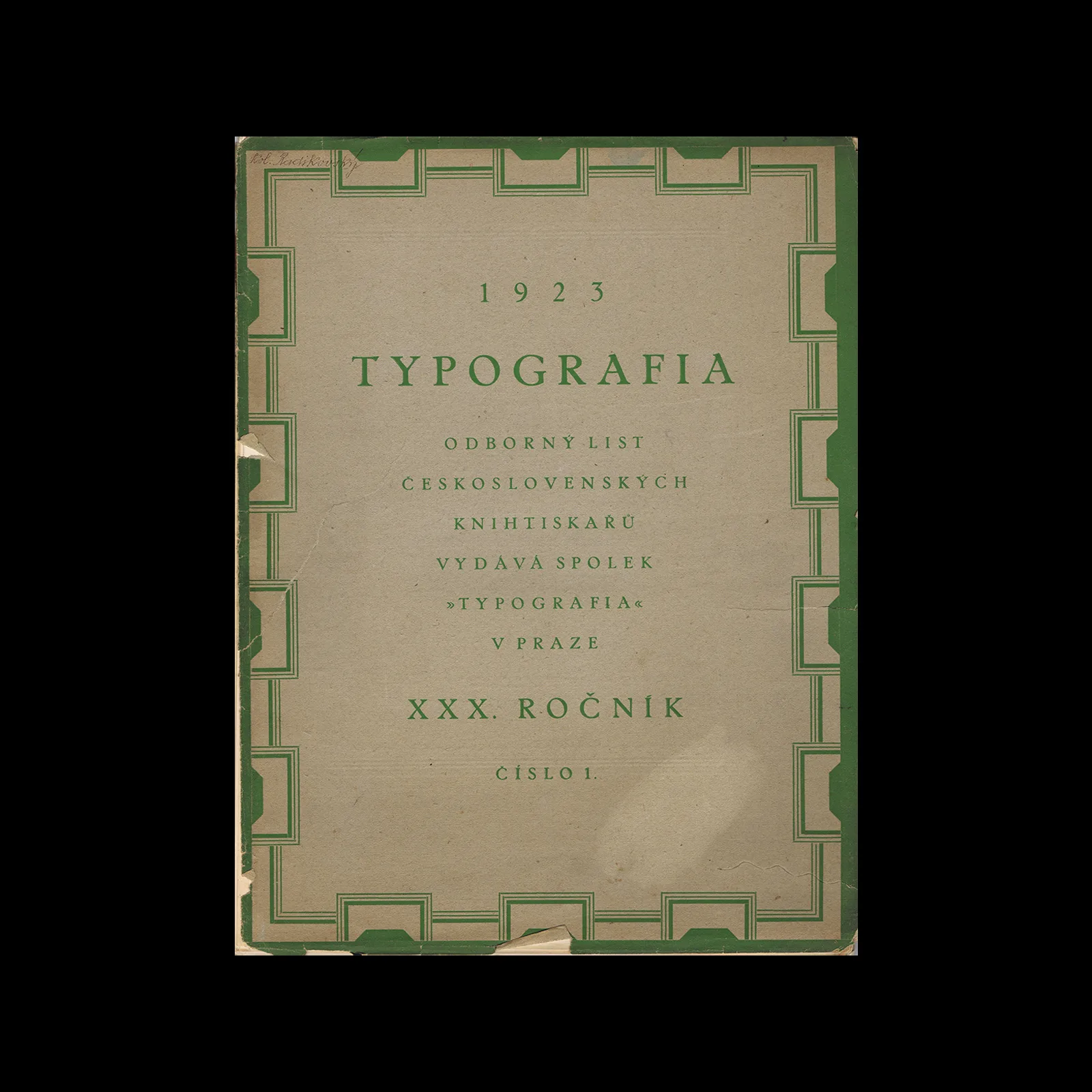
From the graphic design archive:
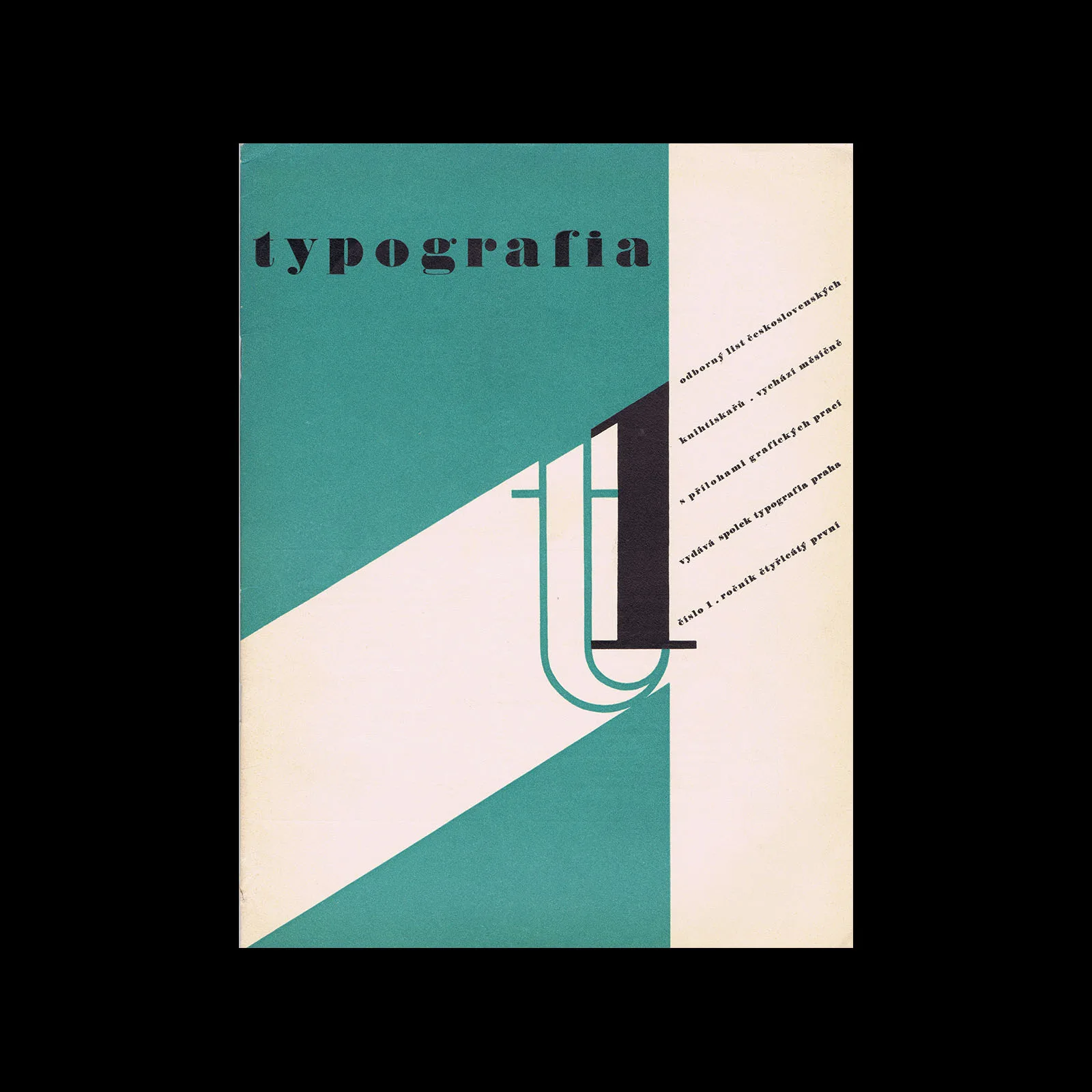
From the graphic design archive:
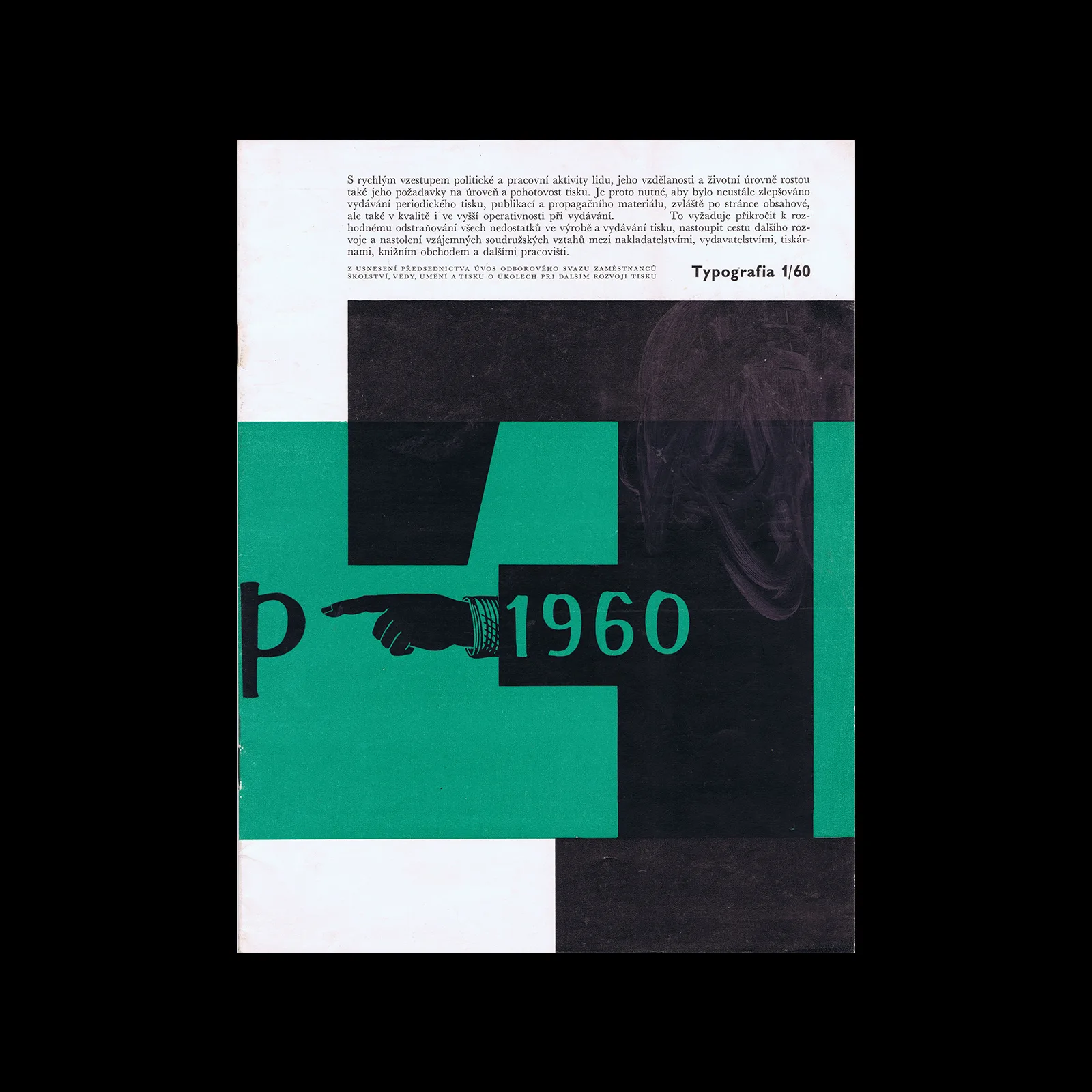
From the graphic design archive:

Book Reviews & Press Releases, Regional Histories
Both educators have a keen interest in multiscriptual design, Arabic type design, and graphic design and recently released A History of Arab Graphic Design. I contacted Bahia and Haythem to find out more.
Read Article
Elizabeth Resnick is a Professor Emerita, former chairperson of the Graphic Design Department, and current part-time faculty at Massachusetts College of Art and Design, Boston, Massachusetts, since 1977. She ran her own independent Boston design studio from 1973 to 1996, working with many high-profile clients and is a passionate design curator who has organized seven comprehensive design exhibitions. I interviewed Elizabeth about her journey in the field, her early influences and some of the many items in her collection.
Read Article
The book "Modern Man In The Making" (1939), is a fantastic example of Neurath's work. The book uses Isotype's principles with text to illustrate complex societal issues like globalisation and war's impact on economies, prioritising visual recognition through symbols to aid in memorability—a philosophy that remains paramount in design today.
Read Article