


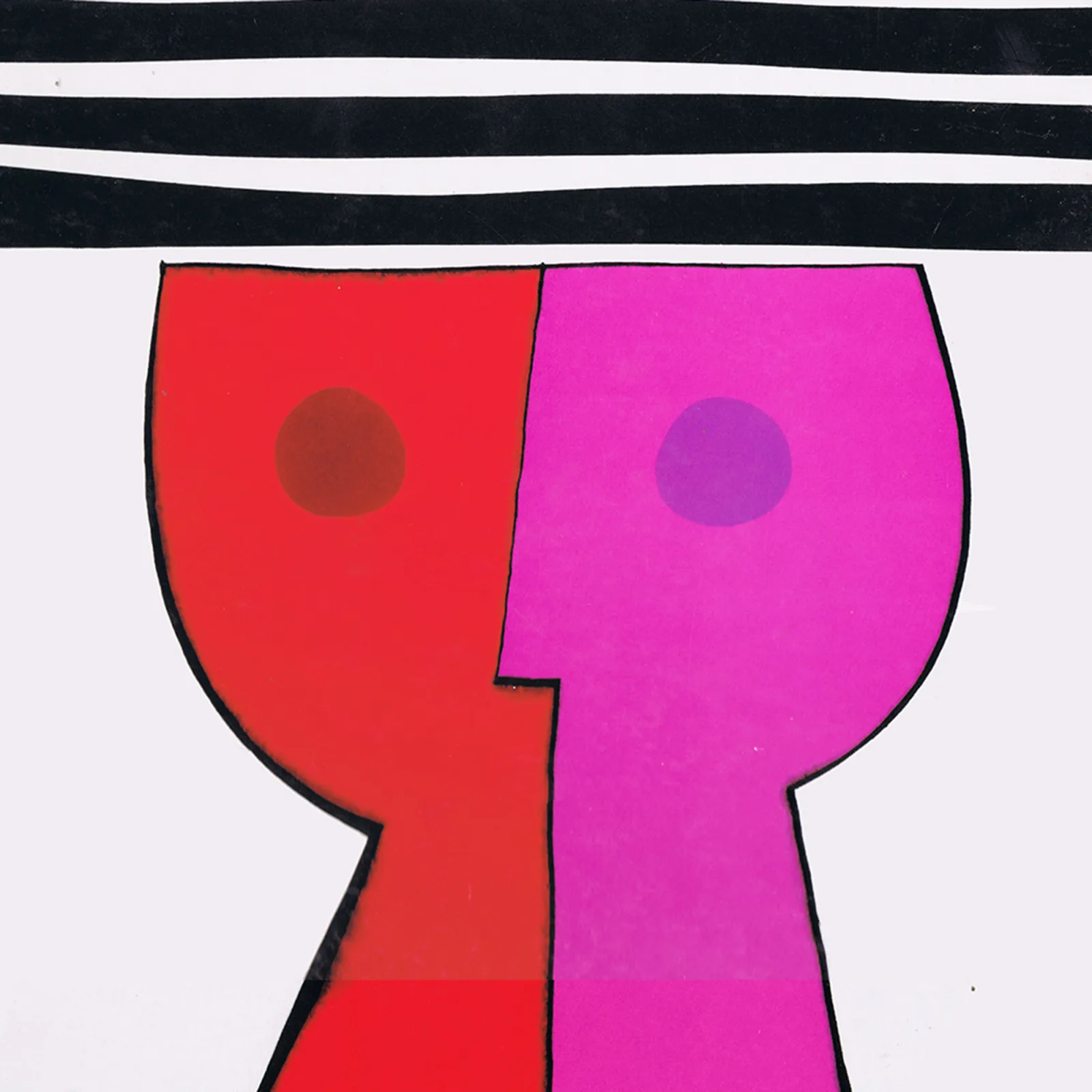
United Nations, Pelican Original, 1966

Details

  • Format Book
  • Designer/s Germano Facetti
  • Year 1966
  • Client/Publisher Penguin Books
  • Size 110mm x 180mm
Germano Facetti
Germano Facetti was born in Milan in 1925 and moved to England in 1950. As well as a graphic designer, he also designed furniture and toys. From 1960 - 1972 he was the art editor for Penguin Books and redesigned and coordinated 42 series of books. He then moved back to Italy and became Fabbri's art director. Explore related designers including Alan Fletcher and Derek Birdsall. See also British Modernism and 1960s graphic design history.

Linked Information

United Nations, Pelican Original, 1966. Designed by Germano Facetti
More graphic design artefacts
More graphic design history articles
Gerstner, Gredinger + Kutter and Ideographs

Advertising Design, Design Archive Feature, Members Only Content, Studios & Collectives

Gerstner, Gredinger + Kutter and Ideographs

Gerstner, Gredinger + Kutter's advertisments for Merkur and the problem of ideographs, with a translated article by Masaru Katzumie from Graphic Design 15, April 1964

Read Article

Further examples of the collaboration of Juan Carlos Distéfano, Ruben Fontana and Carlos Soler

Design Archive Feature, Members Only Content, Regional Histories, Studios & Collectives

Further examples of the collaboration of Juan Carlos Distéfano, Ruben Fontana and Carlos Soler

In my previous article about the design work produced for Insituto di Tella, I touched upon the artists Juan Carlos Distéfano, Ruben Fontana and Juan Andralis. After further research, I found a suite of other designs they had produced, including exhibition posters, concert programmes and record sleeves.

Read Article
Illustrating Sound: George Giusti and Command Records

Design Archive Feature, Illustration, Members Only Content, Regional Histories

Illustrating Sound: George Giusti and Command Records

George Giusti designed around forty releases for Command, complementing the work of other designers like Josef Albers, S. Neil Fujita, Rudolph de Harak, and Charles E. Murphy.

Read Article