
Visible Language, Vol 07, 02, Spring 1973

Content includes:
Introductory Education in Typography by Daniel Friedman
Formal Economy of Written Signs by E.J.W. Barber
The Future Role of the Printing Historical Society by James Moran
Archives in the Ancient World by Ernest Posner
Is Literacy Acquisition Easier in Some Languages Than in Others? by John Downing
An Explicit Formulation of the Relationship Between Tool-Using, Tool-Making, and Emergence of Langua by Gordon W. Hewes
Subjective Preference and Retrieval of Information from Reference Materials by James Hartley, Peter Burnhill, Susan J. Timson

Details

Visible Language
Visible Language was an academic journal on visual communication, typography, and information design. It was first released in 1967 at Case Western Reserve University and was called the Journal for Typographic Research.

Linked Information

Visible Language, Vol 07, 02, Spring 1973
More graphic design artefacts
More graphic design history articles
Manifestos on Kinetic Art

Design Archive Feature, Members Only Content, Movements

Manifestos on Kinetic Art

Kinetic art refers to art the depends on movement for its desired effect and is closely related to op art. Upon scanning a few of the inner inserts from the Kinetics exhibition catalogue from the Hayward Gallery, London, 1970, I came across these five small manifestos on kinetic art.

Read Article
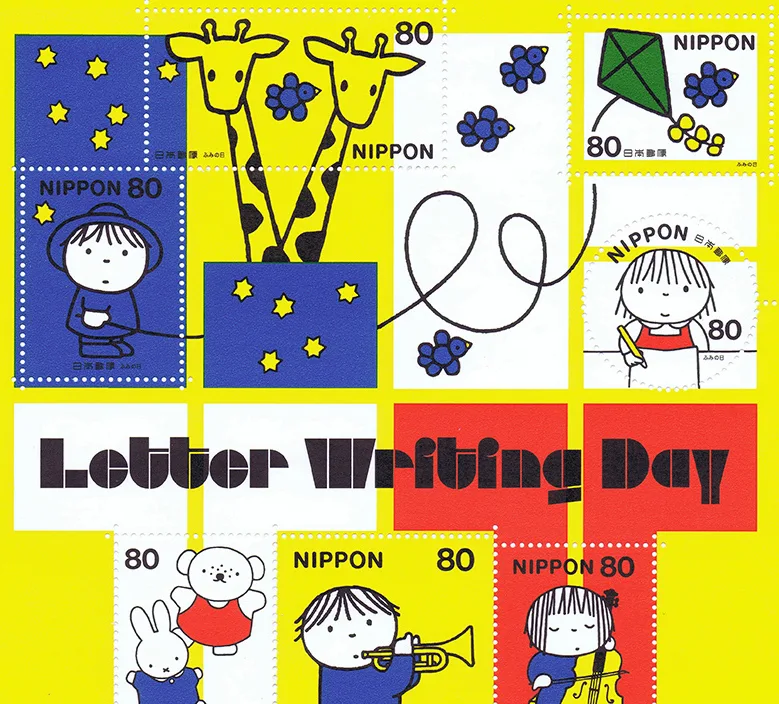
Stamps, Dick Bruna and the Making of Miffy

Design Archive Feature, Designer Profiles, Ephemera, Illustration, Members Only Content

Stamps, Dick Bruna and the Making of Miffy

Beyond his books, Dick Bruna's vivid colour and simplified forms found their way onto posters, packaging, murals and stamps, many of which feature in my growing collection.

Read Article
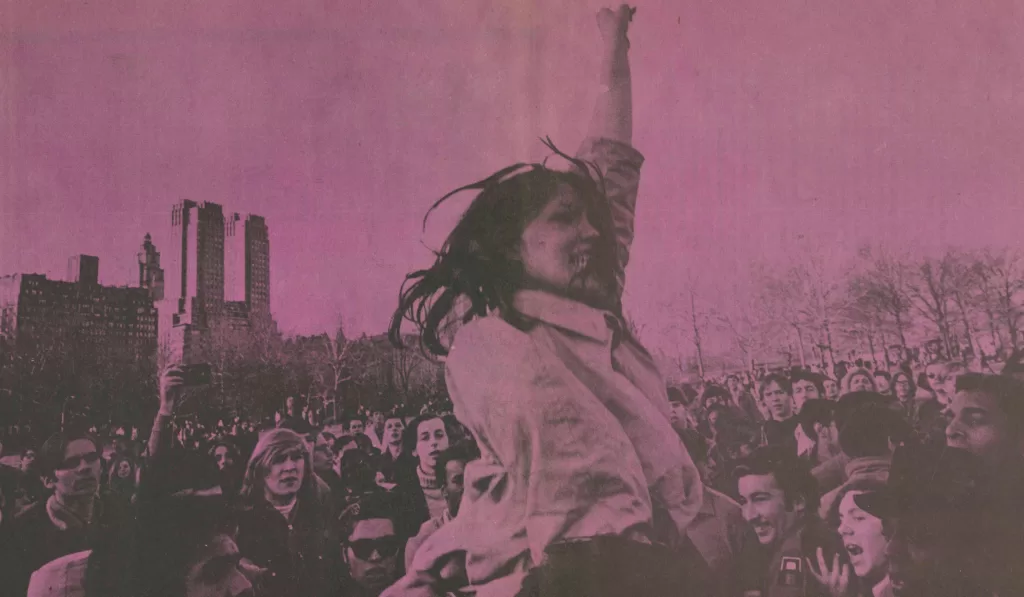
1960s Counter-Culture Publications: Voices of Change, Rebellion, and Liberation

Design & Politics, Design Archive Feature, Members Only Content, Movements, Regional Histories

1960s Counter-Culture Publications: Voices of Change, Rebellion, and Liberation

The 1960s was an era characterised by political, social, and cultural shifts. The counterculture movement emerged as a response to the perceived failures of the mainstream establishment, sparking a wave of activism and alternative ideologies. And with these an array of printed matter. Counterculture publications, often referred to as the "underground press," became powerful platforms for dissent, expression, and the exploration of new ideas.

Read Article