
Design & Politics, Design Archive Feature, Members Only Content, Movements, Regional Histories
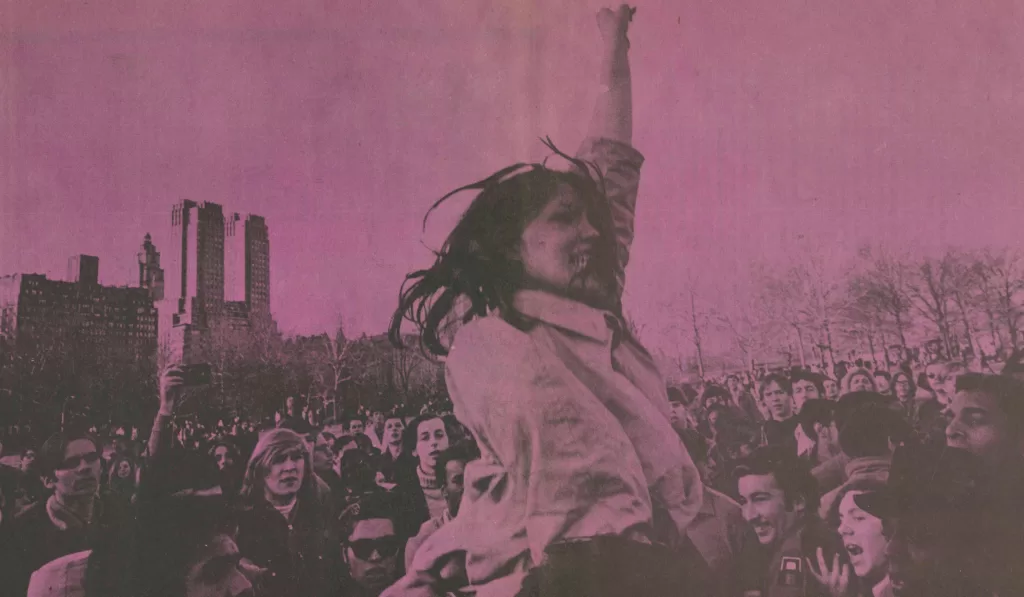
The 1960s was an era characterised by political, social, and cultural shifts. The counterculture movement emerged as a response to the perceived failures of the mainstream establishment, sparking a wave of activism and alternative ideologies. And with these an array of printed matter. Counterculture publications, often referred to as the "underground press," became powerful platforms for dissent, expression, and the exploration of new ideas.
Read Article
"Talking about myself as a designer is something that requires a powerful dialogue with my life experiences. In a radical way, I apply an exercise in which design forms become projections of life, extensions of meaning that constantly involve senses."
Read Article
Design Archive Feature, Members Only Content, Movements
A 1,500 essay on the transformative era of graphic design from the 1970s to the 1990s. Moving beyond the constraints of modernism, designers like Wolfgang Weingart and April Greiman redefined visual communication through bold experimentation with type, colour, and early computer graphics. This essay highlights how postmodernism and New Wave design introduced complexity, individuality, and digital innovation in to graphic design.
Read Article