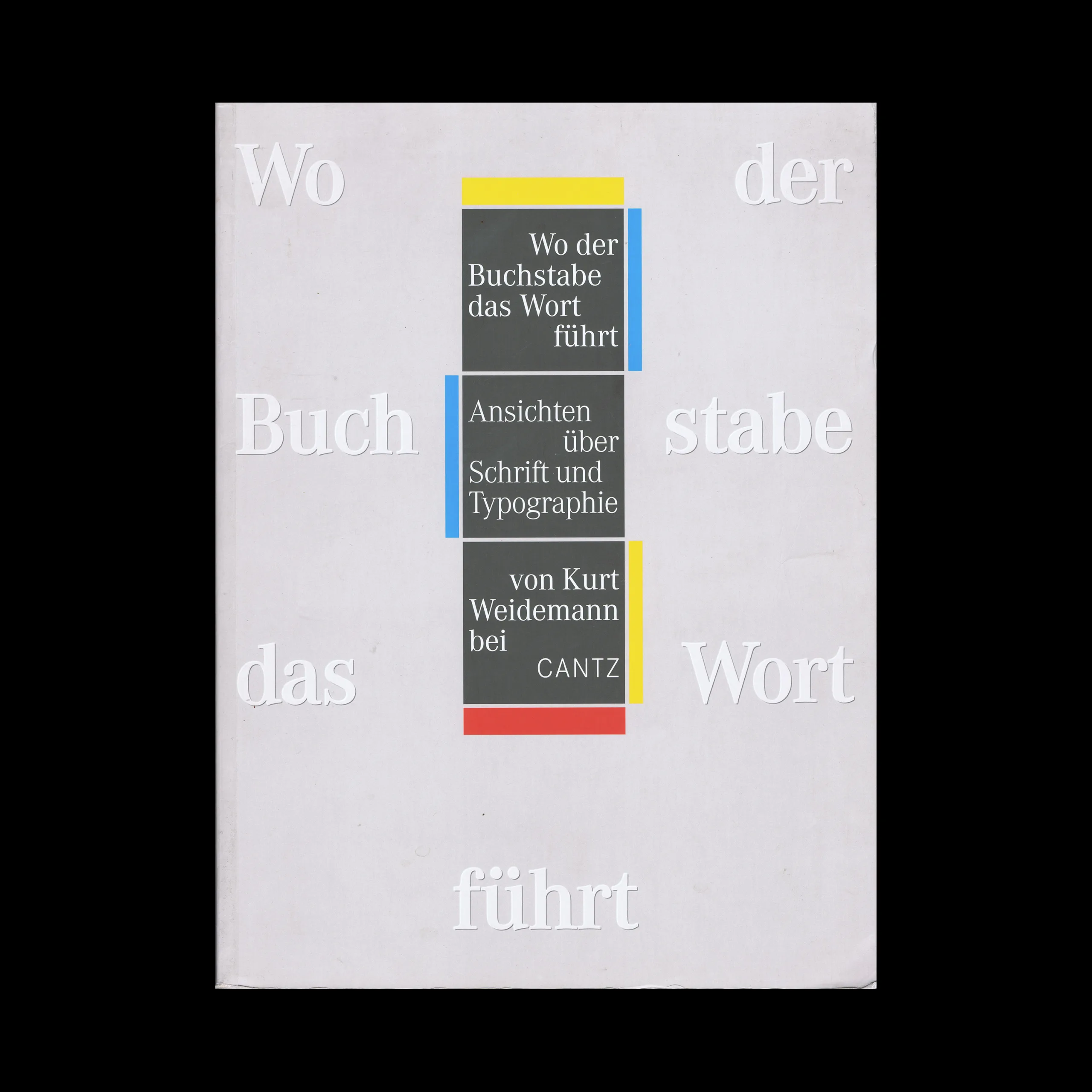

Wo der Buchstabe das Wort fuhrt: Ansichten über Schrift und Typographie, hatje Cantz, 1990

Kurt Weidemann ‘views on writing and typography

Details

  • Format Book
  • Designer/s Kurt Weidemann
  • Year 1990
  • Client/Publisher hatje Cantz
  • Size 254mm x 342mm
Kurt Weidemann
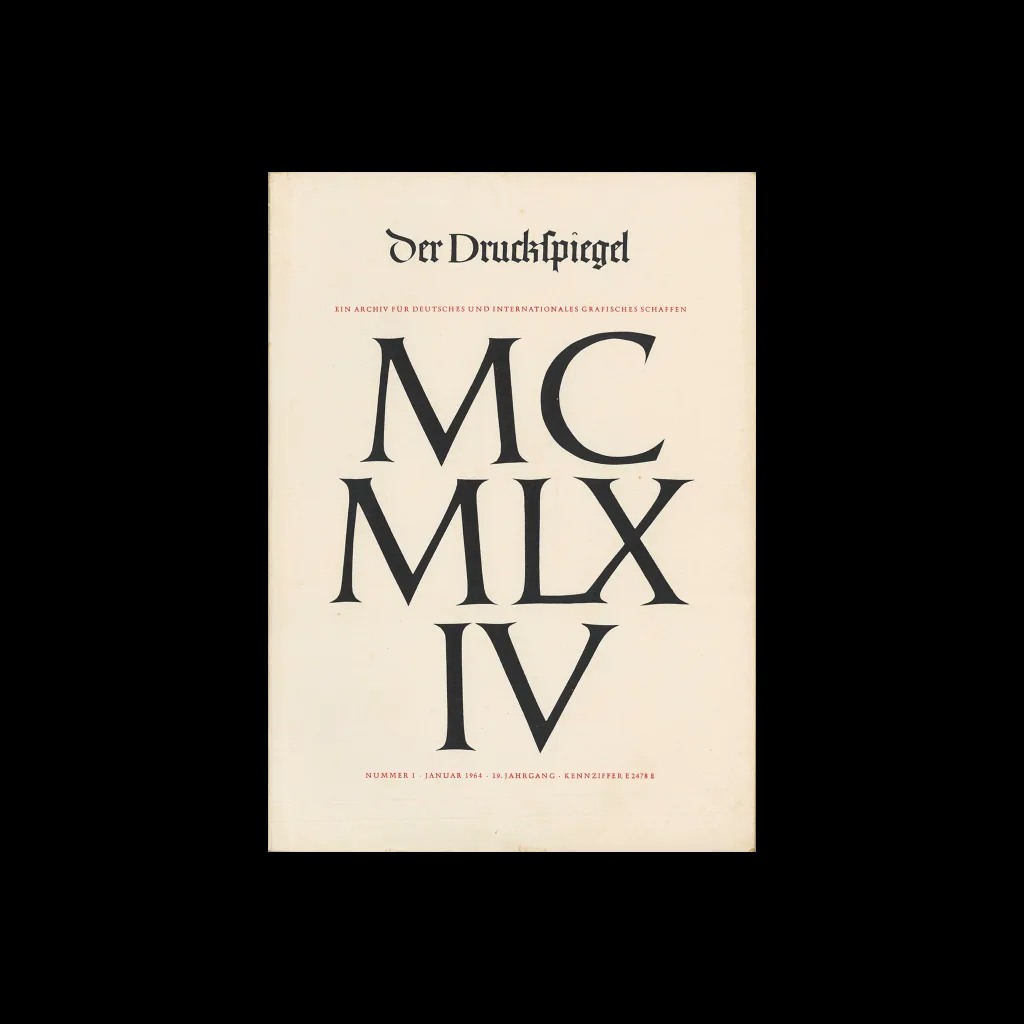
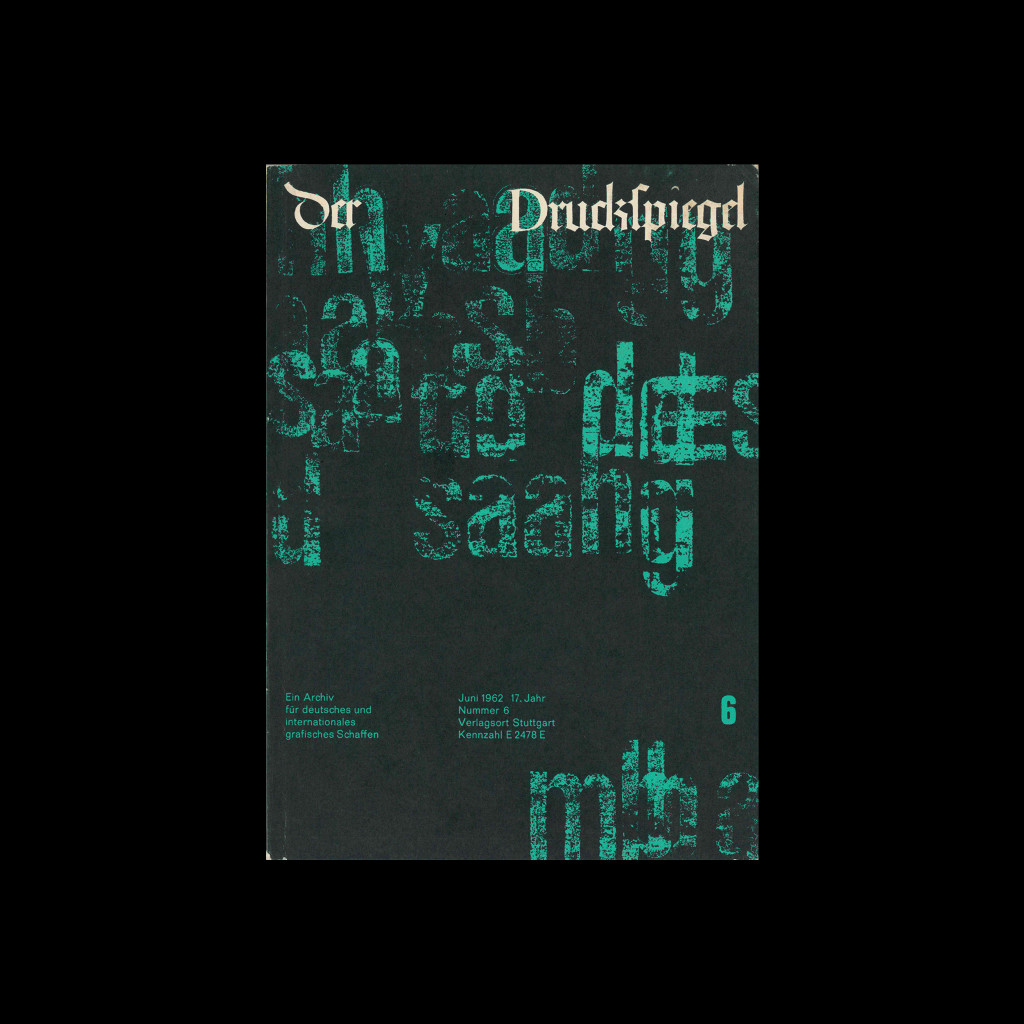
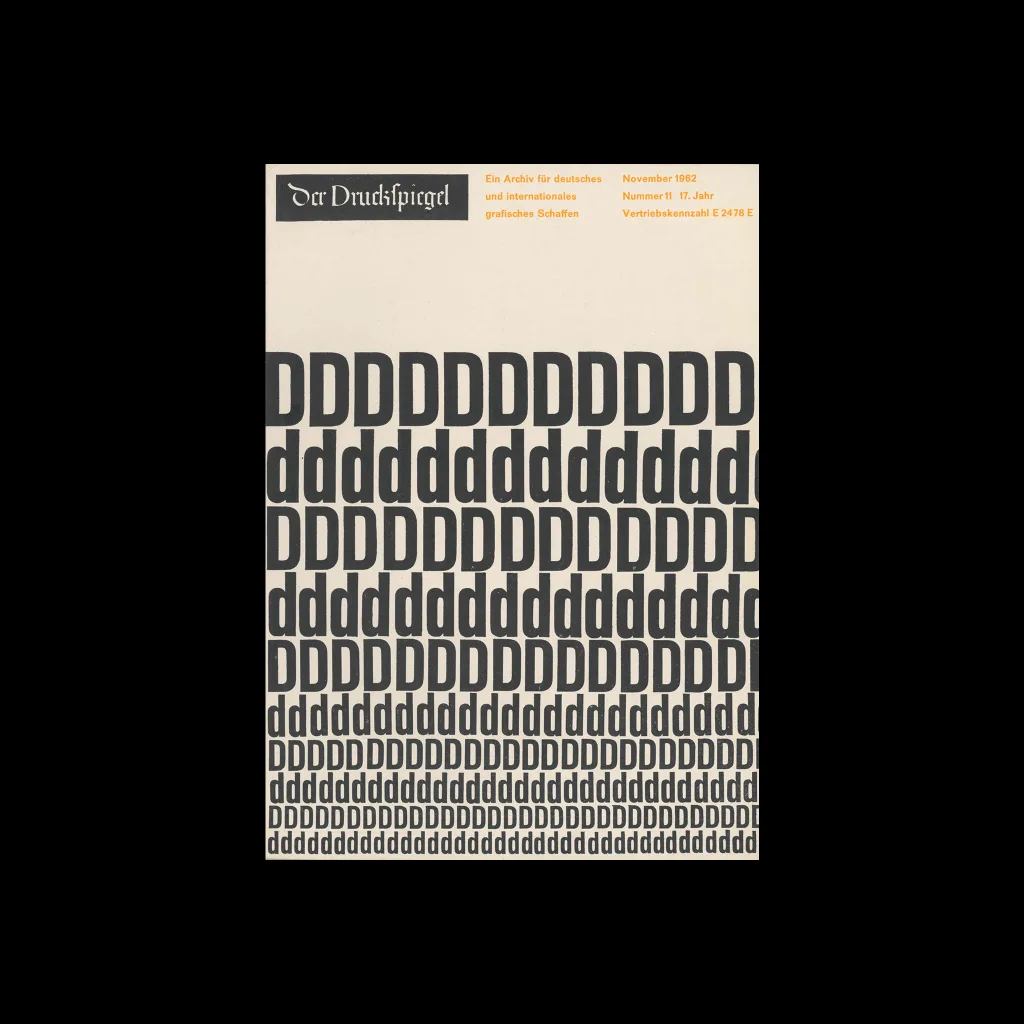
Kurt Weidemann graduated in book graphics and typography at the State Academy of Fine Arts in Stuttgart. He worked as a graphic designer, advertising consultant and copywriter. Weidemann also worked as sub-editor and type manager for Der Druckspiegel magazine. His clients included COOP, Zeiss, Merk, Mercedes-Benz, Deutsche Bahn and Bundespost. Explore related designers including Otl Aicher and Erik Spiekermann. See also German graphic design history and 1960s graphic design history.

Linked Information

Wo der Buchstabe das Wort fuhrt: Ansichten über Schrift und Typographie, hatje Cantz, 1990
More graphic design artefacts
More graphic design history articles
Rudolph de Harak and Westminster Records

Design Archive Feature, Designer Profiles, Members Only Content, Regional Histories

Rudolph de Harak and Westminster Records

Rudolph de Harak designed over 50 record covers for Westminster Records as well as designing covers for Columbia, Oxford and Circle record labels. His bright, geometric graphics can easily be distinguished and recognised.

Read Article
Bauhaus Principles Today

Design Archive Feature, Design Education, Members Only Content, Movements

Bauhaus Principles Today

The Bauhaus approach to design emphasised simplicity, functionality, and the integration of modern technologies and materials. A century later, many of the principles taught at the school remain fundamental to contemporary design practices.

Read Article
The Design and Photography of Hans Jürgen Rau by Hans Kuh, 1962

Advertising Design, Design Archive Feature

The Design and Photography of Hans Jürgen Rau by Hans Kuh, 1962

In Rau's case, the combination of graphic design and photo produces a particularly positive result, since he uses the photo not so much as an object of representation but rather as a suggestive means of expression.

Read Article