Yoshio Hayakawa

Yoshio Hayakawa (World Graphic Design 4), 1993

Details

  • Format Book
  • Designer/s Yoshio Hayakawa
  • Year 1993
  • Client/Publisher Ginza Graphic Gallery
  • Size 135mm x 189mm
Yoshio Hayakawa
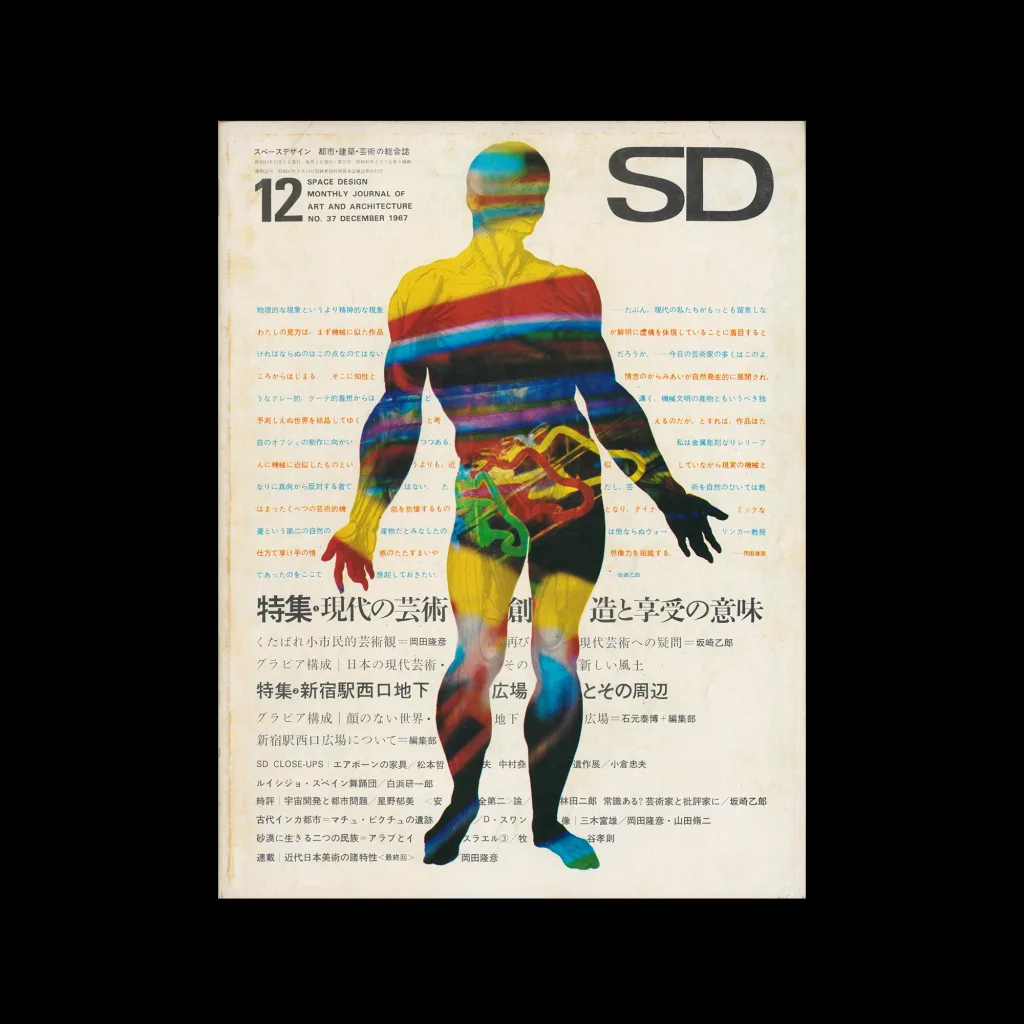
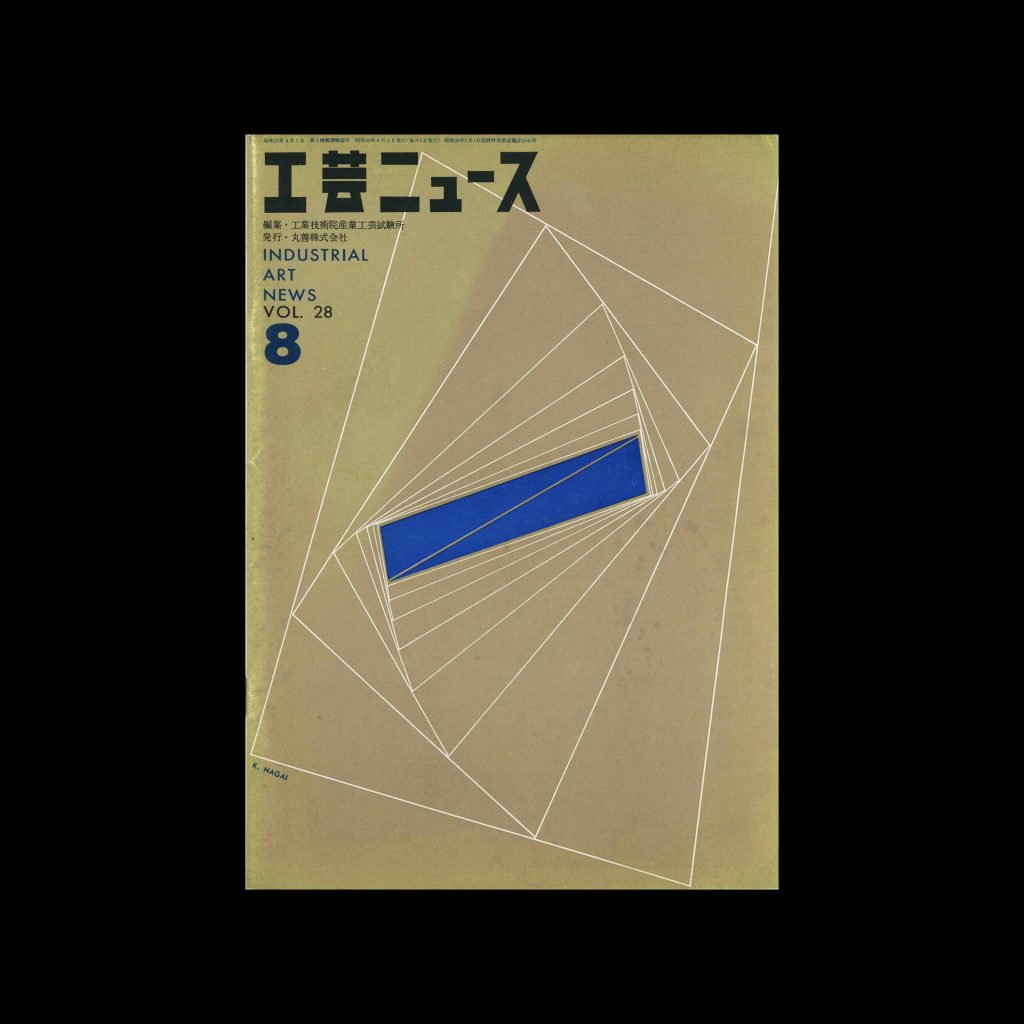
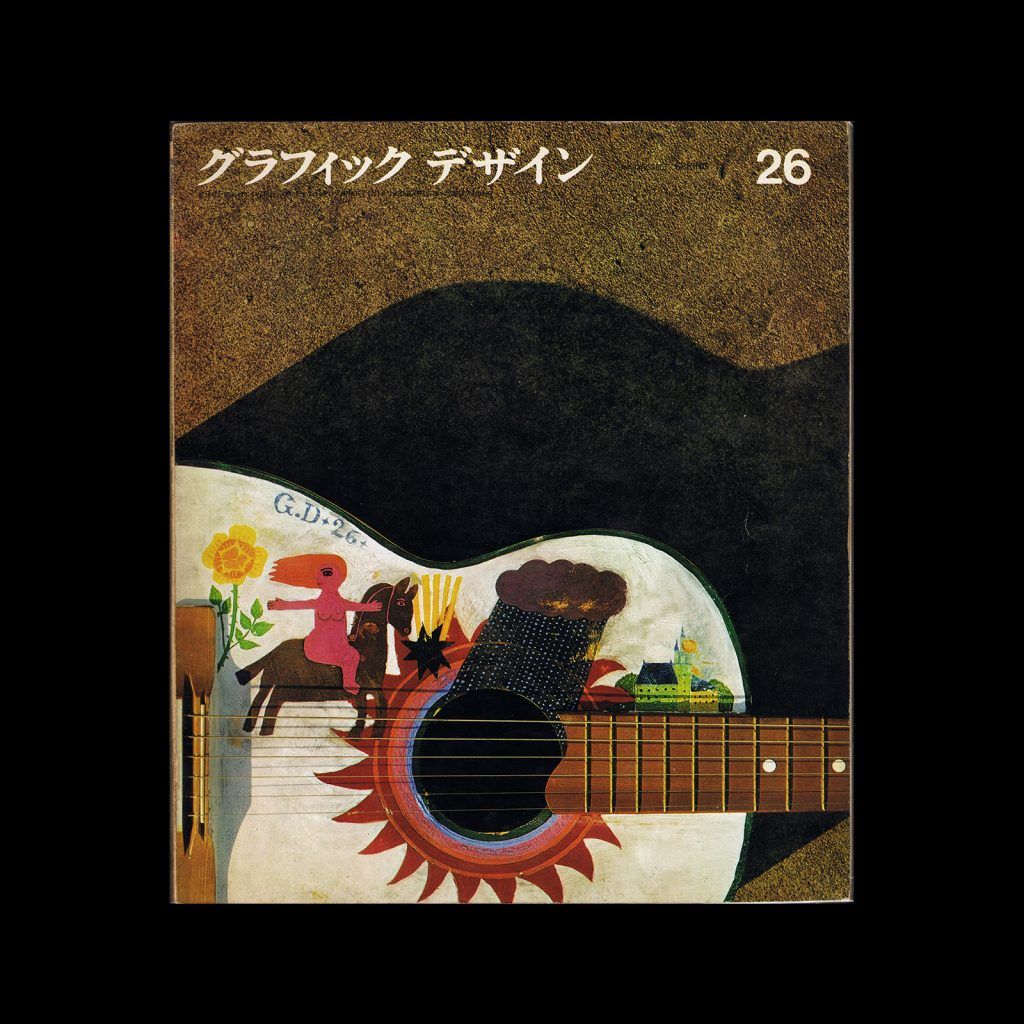
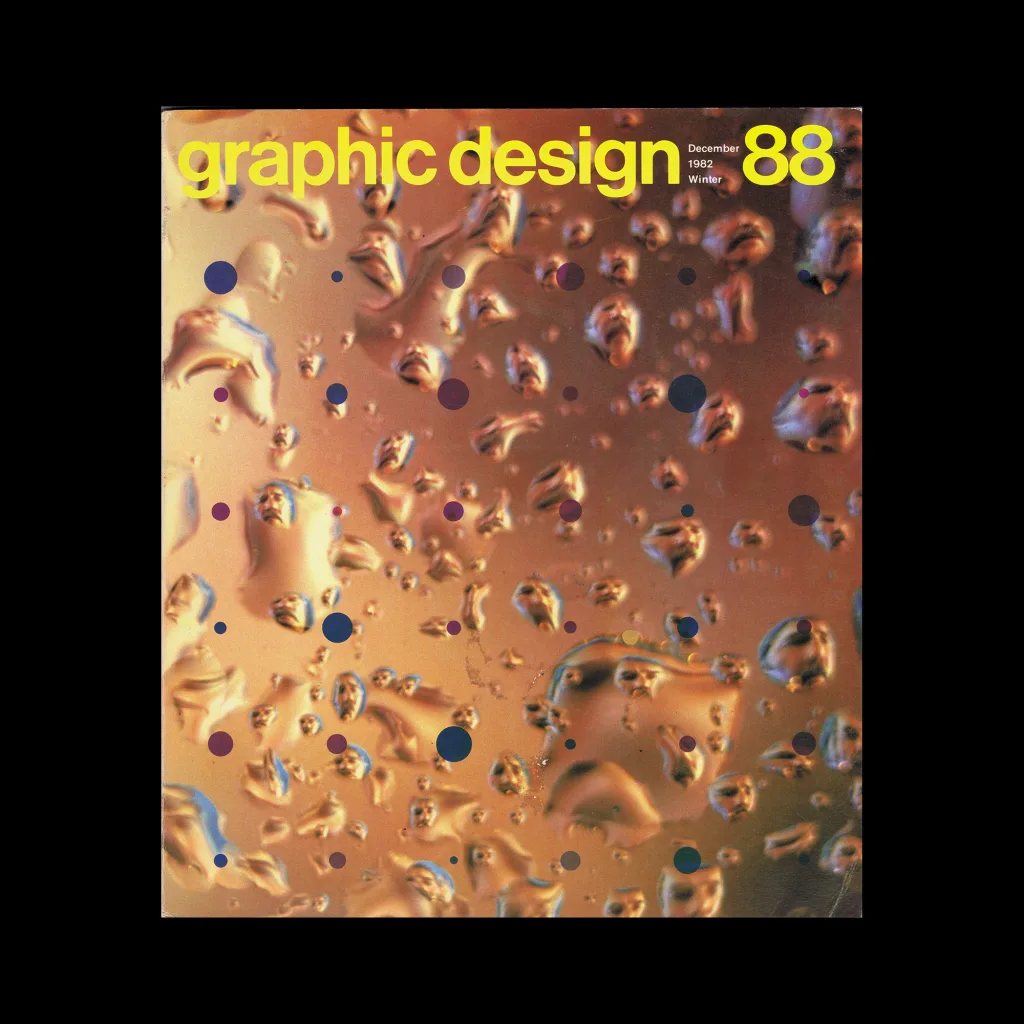
Yoshio Hayakawa was born in Osaka in 1917 and is regarded as one of Japan's most influential post-war poster designers. His work is often described as a "harmonisation of traditional Japanese art with Western art," reflecting the design fusion that became a hallmark of Japan's postwar creative output.  Explore related designers including Yusaku Kamekura and Hiroshi Ohchi. See also Japanese Modernism and Japanese graphic design history.
Ginza Graphic Gallery
Publications from Ginza Graphic Gallery, Tokyo, documenting exhibitions and contemporary graphic design.

Linked Information

Ginza Graphic Gallery 04, Yoshio Hayakawa
More graphic design artefacts
More graphic design history articles
The Innovative Netherlands Stamps designed by Ootje Oxenaar in 1970

Design Archive Feature, Designer Profiles, Members Only Content, Regional Histories

The Innovative Netherlands Stamps designed by Ootje Oxenaar in 1970

Ootje Oxenaar designed the summer stamps for the Netherlands using an assignment from De Nederlandsche Bank based on banknotes. The assignment resulted in the collaboration of Oxenaar, the printer, the laboratory and the banking specialist, in which they experimented with the design of securities on printed matter.

Read Article

Illustrating Sound: George Giusti and Command Records

Design Archive Feature, Illustration, Members Only Content, Regional Histories

Illustrating Sound: George Giusti and Command Records

George Giusti designed around forty releases for Command, complementing the work of other designers like Josef Albers, S. Neil Fujita, Rudolph de Harak, and Charles E. Murphy.

Read Article
A new interpretation of the work of Bramante, suggesting an agenda for contemporary architectural practice.

Book Reviews & Press Releases

A new interpretation of the work of Bramante, suggesting an agenda for contemporary architectural practice.

A new interpretation of the work of Bramante, suggesting an agenda for contemporary architectural practice.

Read Article