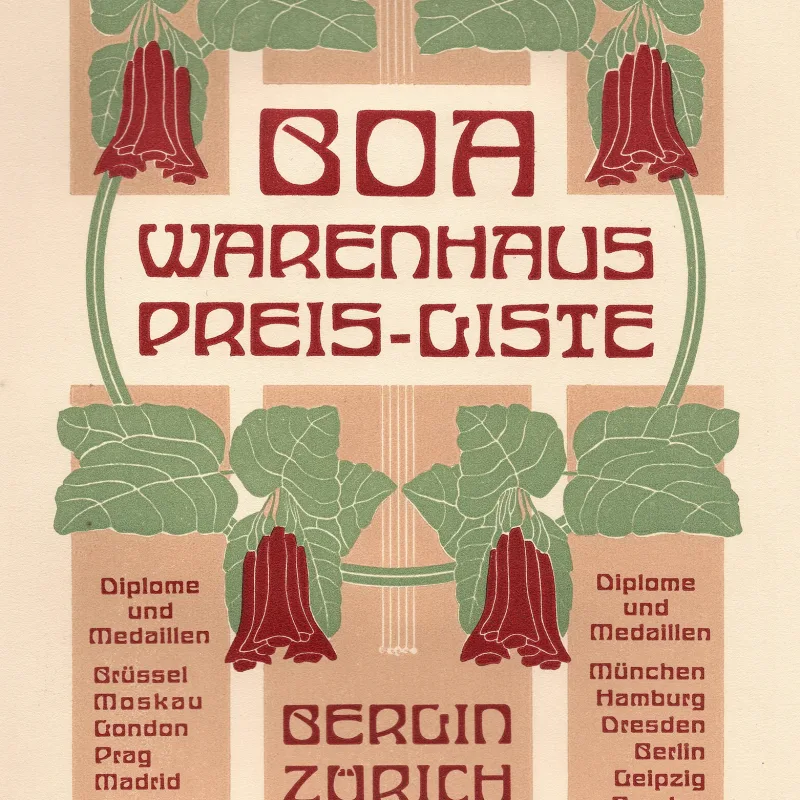
Articles on the history of illustration in graphic design, editorial illustration, record sleeve art, book covers, and the
illustrators who shaped twentieth century print culture.
Illustration has been central to graphic design throughout its history, from editorial illustration in design magazines to record sleeve art and book cover design. These articles explore the illustrators and illustration traditions documented in the Design Reviewed archive.
Articles Related to Illustration
Membership from £2.49/month unlocks articles researched and inspired by the artefacts in the collection.
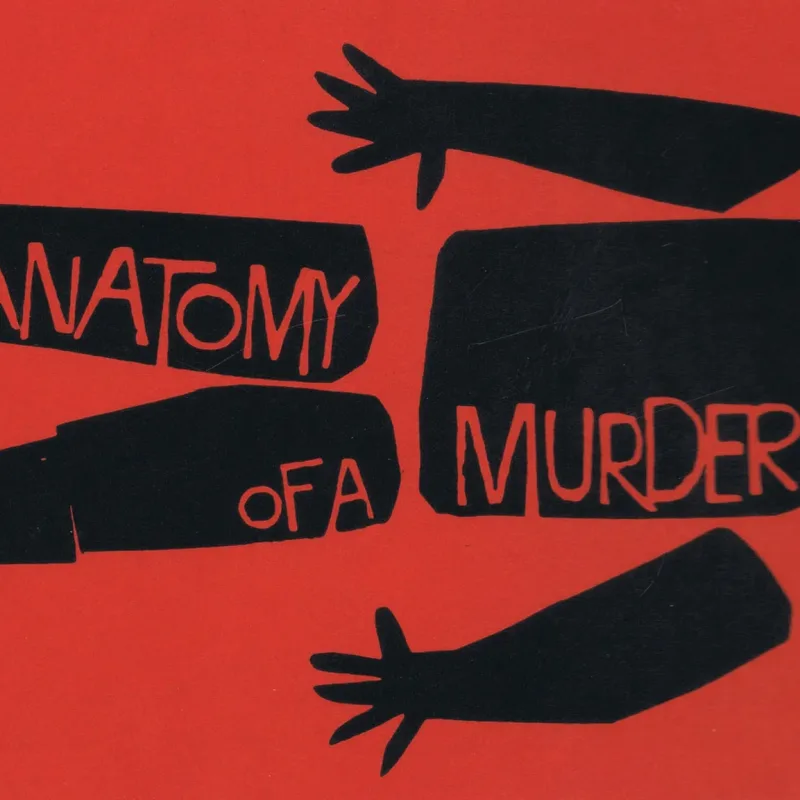
How Saul Bass turned opening credits into a design discipline, from The Man with the Golden Arm to Vertigo and Psycho, with quotes and title sequences.
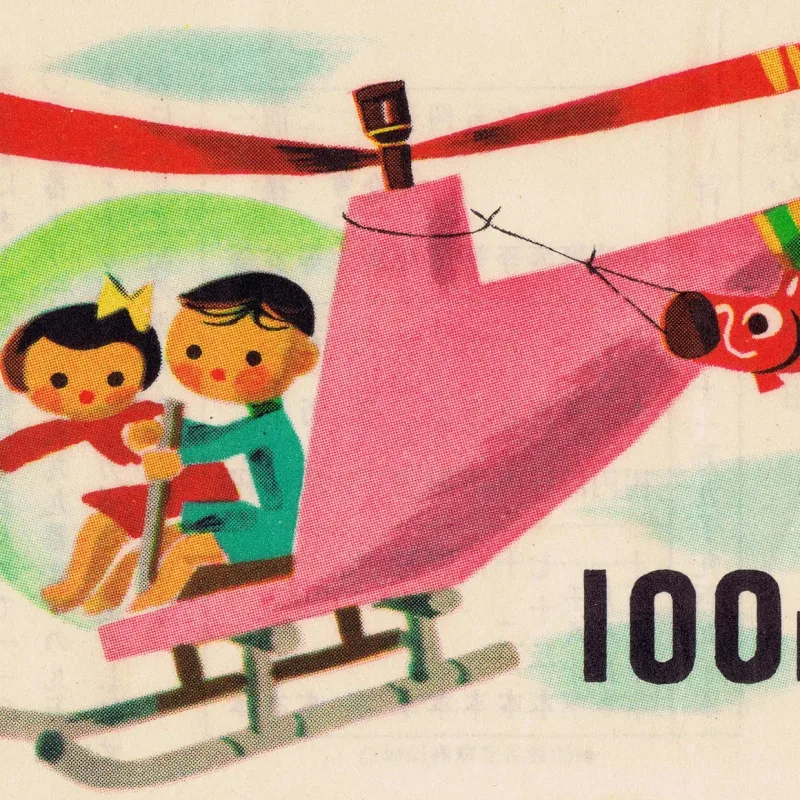
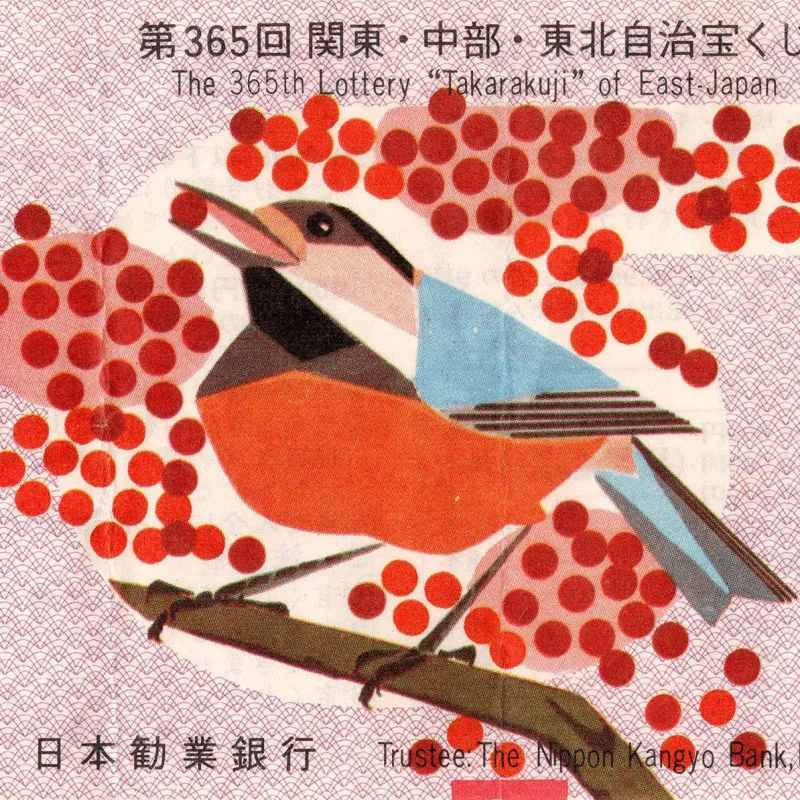
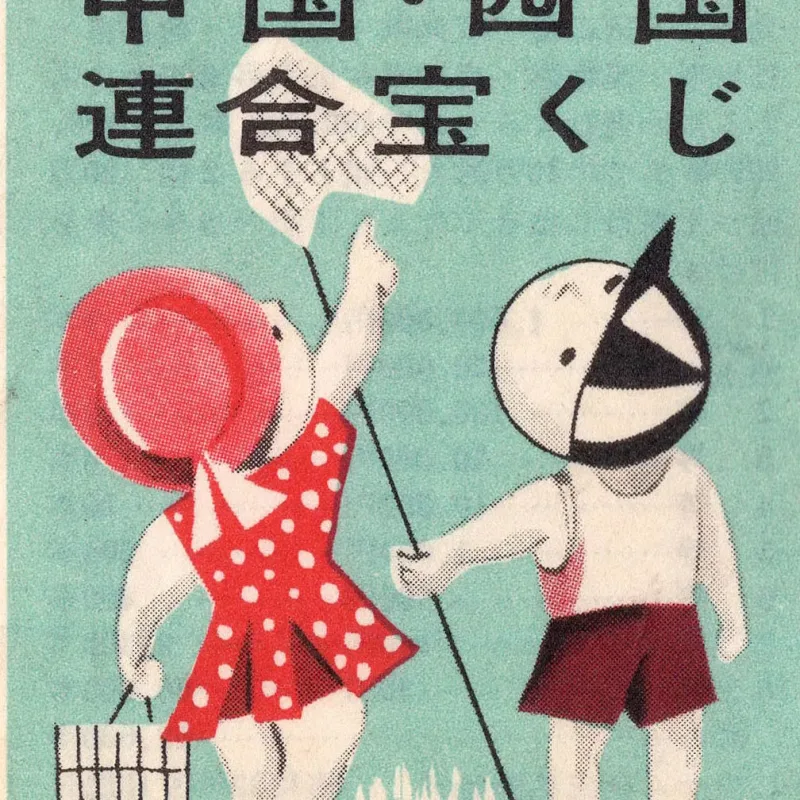
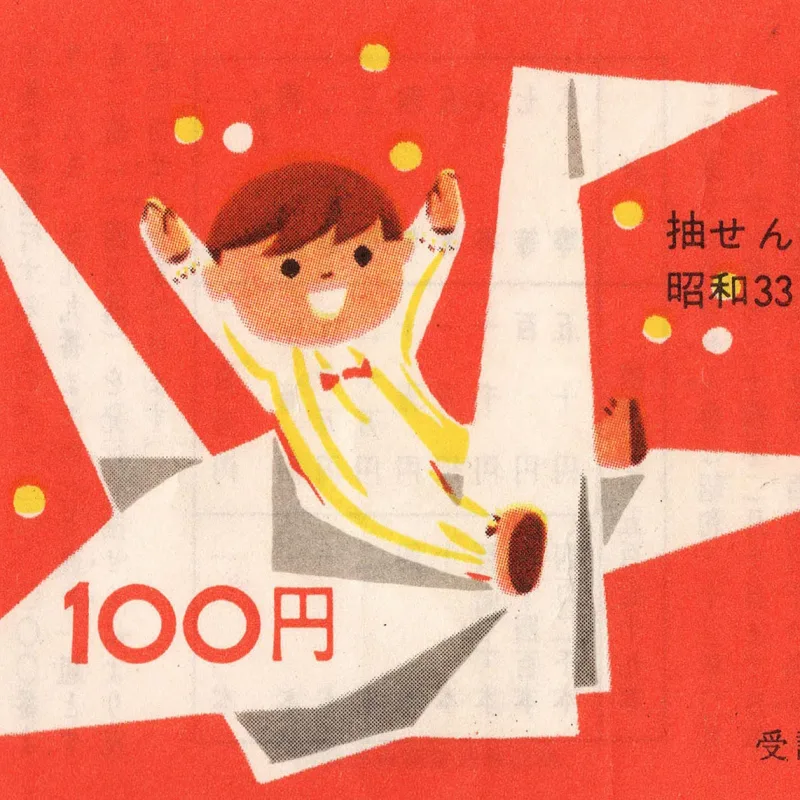
A mixed set of tickets from various Japanese lotteries dating from 1956 to 1985, including the Tokyo Metropolitan, West Japan and National Local Autonomy lotteries.
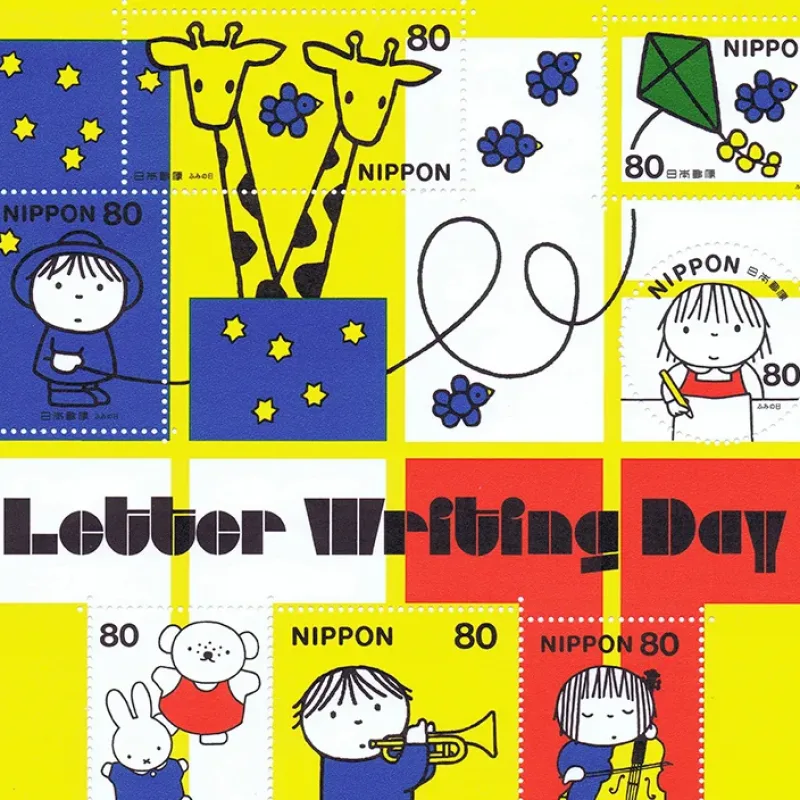
Beyond his books, Dick Bruna's vivid colour and simplified forms found their way onto posters, packaging, murals and stamps, many of which feature in my growing collection.
A continuation of my last article: 50 tickets from Japan spanning nearly 50 years (1956–2004). This time it's another 50, spanning 50 years, 1956–2006.
George Giusti designed around forty releases for Command, complementing the work of other designers like Josef Albers, S. Neil Fujita, Rudolph de Harak, and Charles E. Murphy.
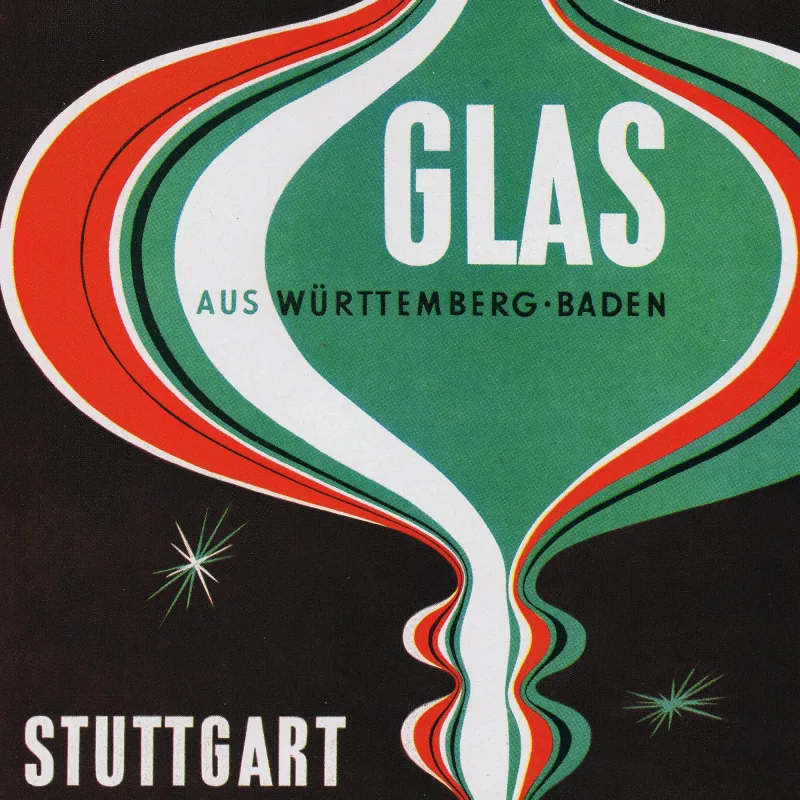
Winter + Bischoff’s work blends fine art and graphic design and is a fine example of commercial design featuring a heavy use of stylistic illustration. In fact a lot of German graphic design in the 1960s has this strong relationship of commercial and professional typographic layout with the roughness and organicness of art.
In 1949, the Bund Deutscher Gebrauchsgraphiker held the first Die besten Plakate des Jahres competition to showcase top German poster design. Hanns Lohrer was one of eight award winners. Designs scanned from Gebrauchsgraphik, 01, 1951.
Command Records was founded by Enoch Light in 1959, their record sleeves can be distinguished by their bold, illustrated, and abstract cover designs, created by a range of designers.
An Anthology of Blues features a blend of typographic compositions and illustrations by Hans-Ulrich “Hazy” Osterwalder, alongside black and white photography, all working together in a limited palette of black and blue.
Like the other Cartoguides I have collected from Shell, these artefacts follow a consistent format. These were the first printed editions in the Cartoguides series and were published between 1958 and 1960. Each cover design was illustrated by French graphic artist, Jean Colin
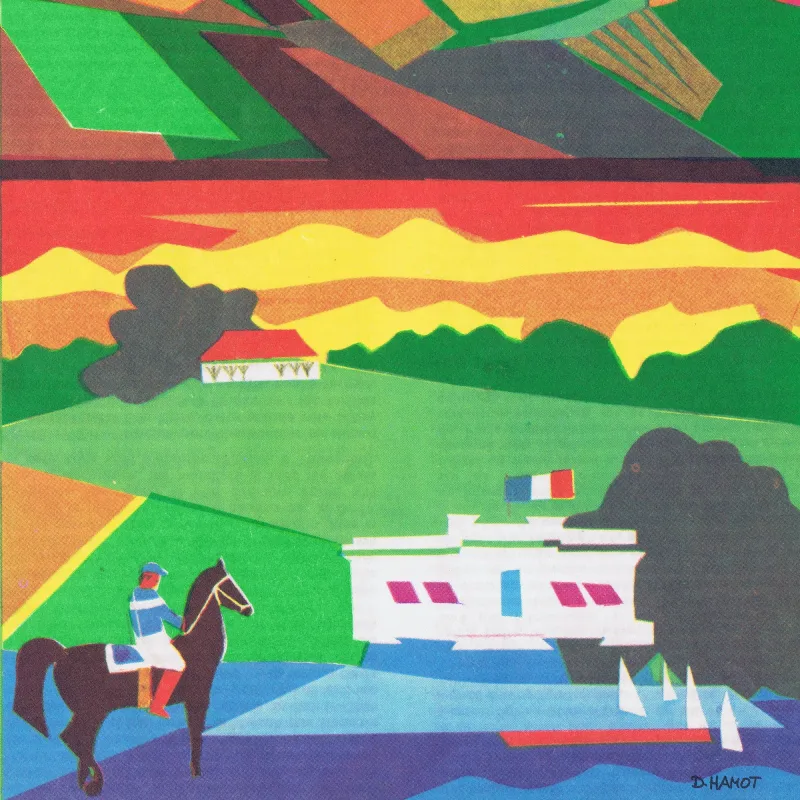
A while back, I bought a set of around 14 French travel guides produced by Shell that came in a leather pouch, each bearing the signature ‘D. Hamot.’ Determining the designer's full name proved to be a challenge. Their aesthetic could reflect the shifting design trends of the late 1960s.
As part of my ongoing series documenting publicity design in the tourism industry, here is my third piece. This time, I am showcasing my collected work of Eric Lancaster, a highly skilled graphic artist whose designs played a vital role in shaping the visual identity of mid-20th-century French tourism.
Illustrated tourist brochures designed by Hans Schmandt. Despite his contributions to publicity design, there is not much information about Hans Schmandt. His clients included Deutsche Bahn and the Trans Europe Express.
Illustrated tourist brochures designed by Alain Cornic. Little is known about Cornic, at least in the magazines and books I have collected, his clients included Shell, Air France and the French Tourist Office.
Last year (2024), I came across a selection of his design work for n+m: Naturwissenschaft und Medizin (Natural Science and Medicine) magazine. Erwin Poell's work for n+m magazine, which was published between 1964 and 1971 by C.F. Boehringer & Söhne, is a fantastic example of engaging and accessible data visualisation.
"Heart: Anatomy, Function, and Diseases" (Dell, 1962), by Rudolf Hoffmann and illustrated by George Giusti, demonstrates how illustrations effectively convey complex and emotional topics whilst providing valuable information.
Japan's first foreign film venue, Shochikuza Theatre (1923) is an icon of Modernism. Its Art Deco-influenced advertising, showcased in the 1925 Shochikuza News magazine, offers a glimpse into Japans influences from the West.
After researching further into the work designed by their practice, I found ten programmes designed between 1958 and 1960. These programmes were designed for a variety of live jazz events in Germany and all followed the same format.
Little is known about the talented designer Günther Glückert. Born during the 1930s, a period that proved less than conducive to nurturing youthful artistic endeavours, did not halt Glückert's path of becoming a talented designer.
“They’ll never stand for that” and “It’s too modern” are, as George Plante aptly puts it, the restraintive thoughts which beset a commercial artist who tries to let himself go.
Publimondial was founded André Roulleaux in 1942 and remained in circulation until 1960. The French journal was published by Art et Publications and was subtitled ‘The Magazine of Graphic Arts and Advertising Technique’.
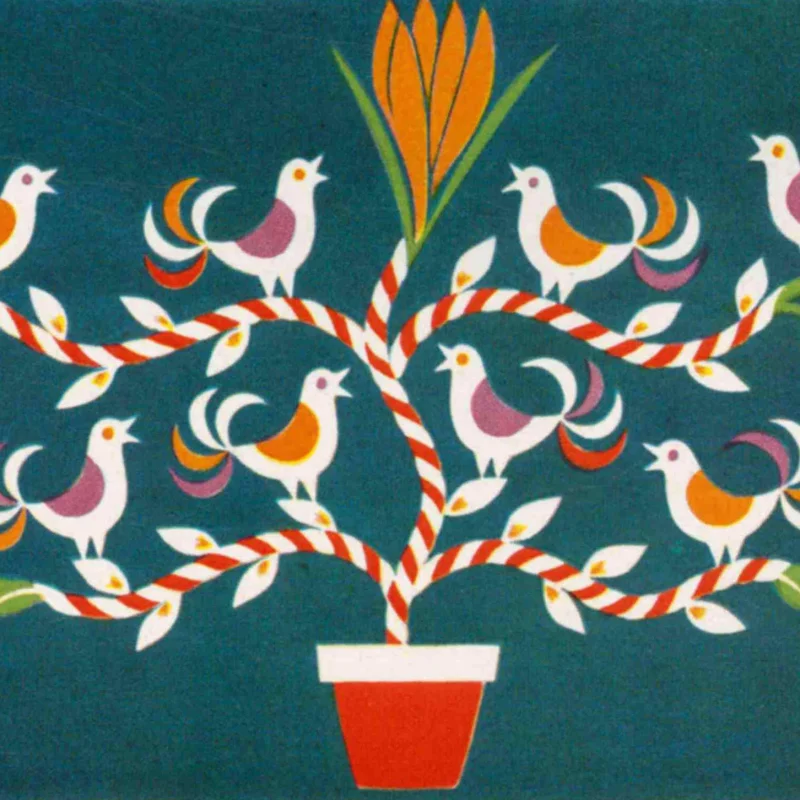
Stephan Kantscheff (Stephan Kanschev) was a Bulgarian artist born in Kaefer, Todental. His colourful palette and joyous, folk-esque illustrations won him many commissions and his work was celebrated for both its quality and social significance.
How Saul Bass turned opening credits into a design discipline, from The Man with the Golden Arm to Vertigo and Psycho, with quotes and title sequences.