


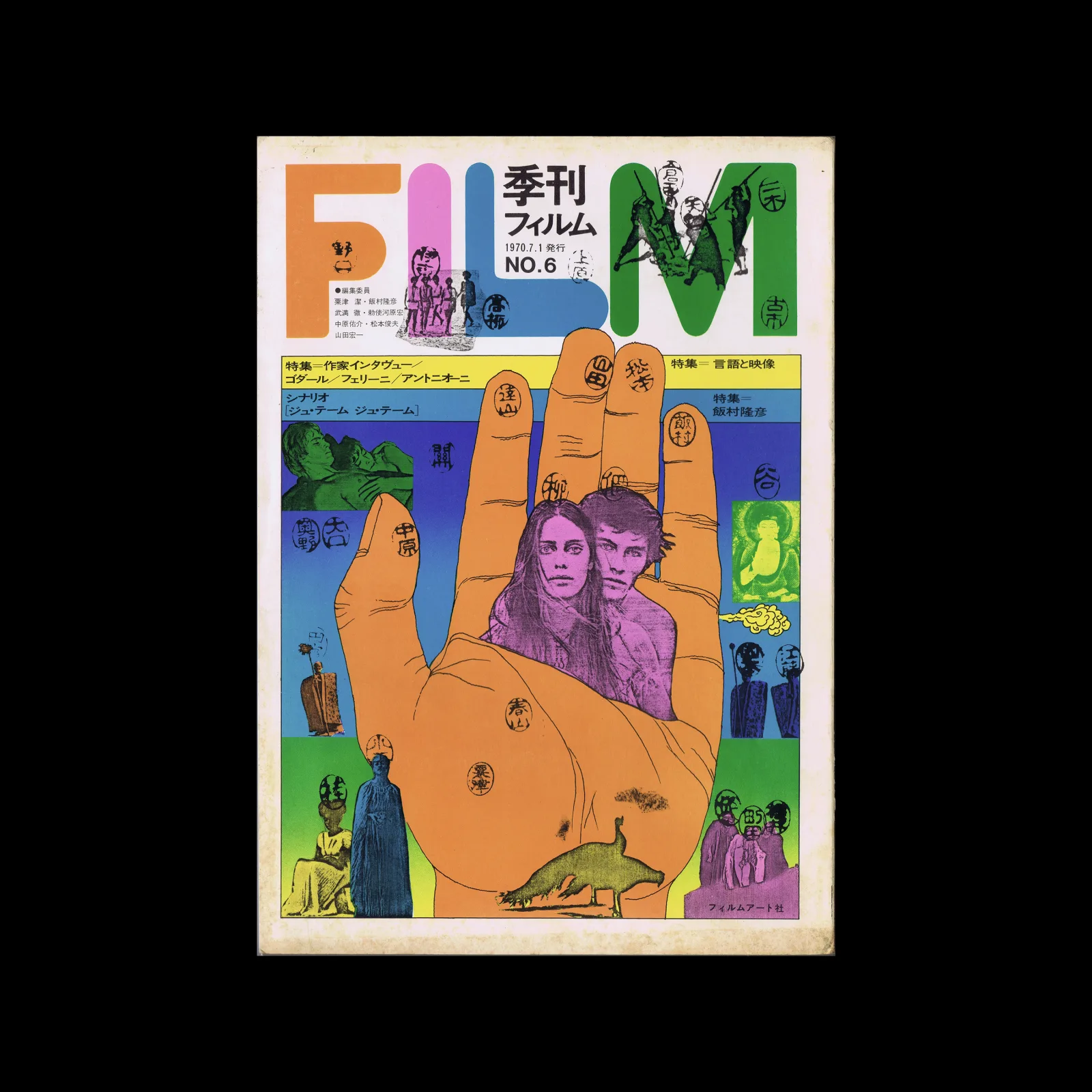
From the graphic design archive:

From the graphic design archive:
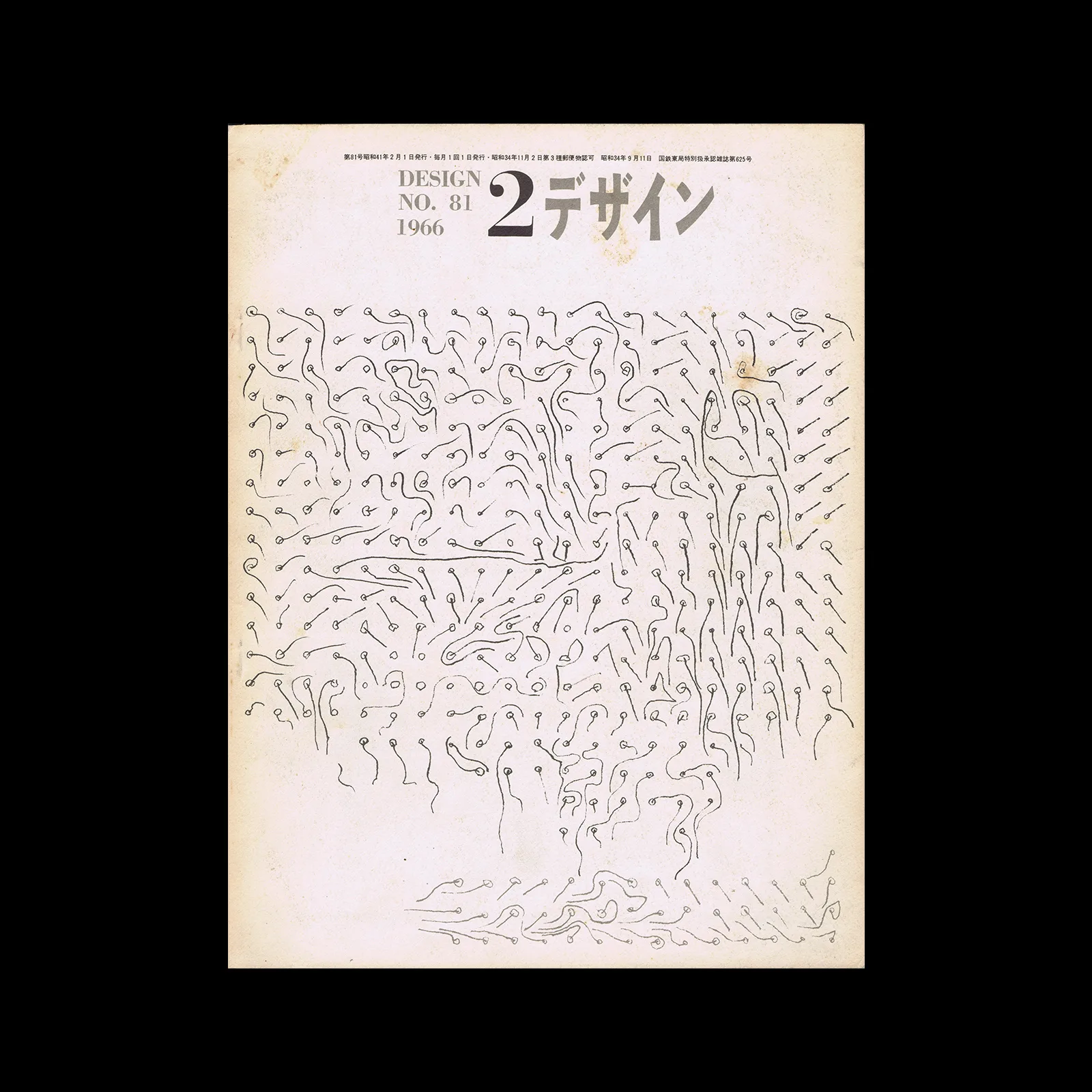
From the graphic design archive:
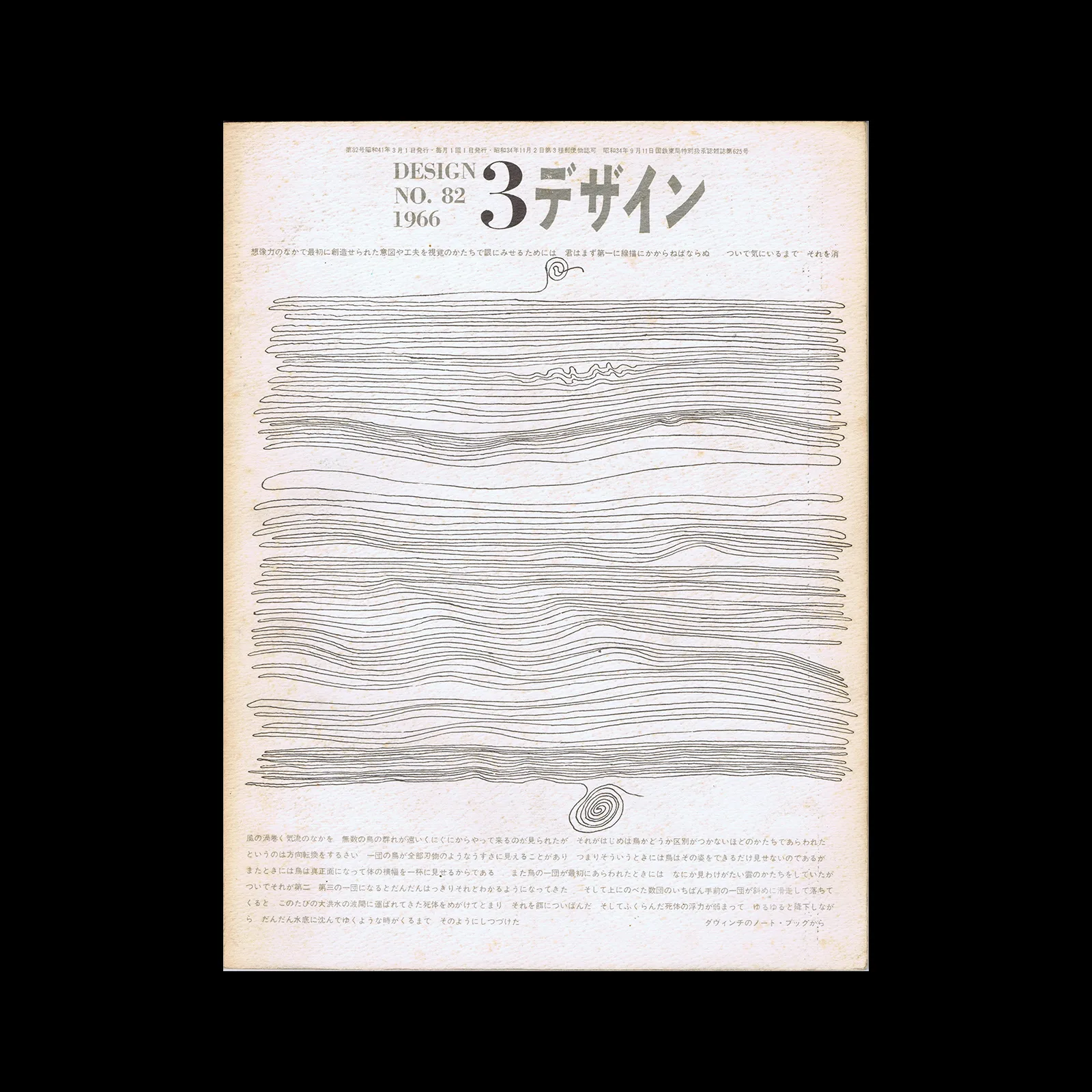
From the graphic design archive:
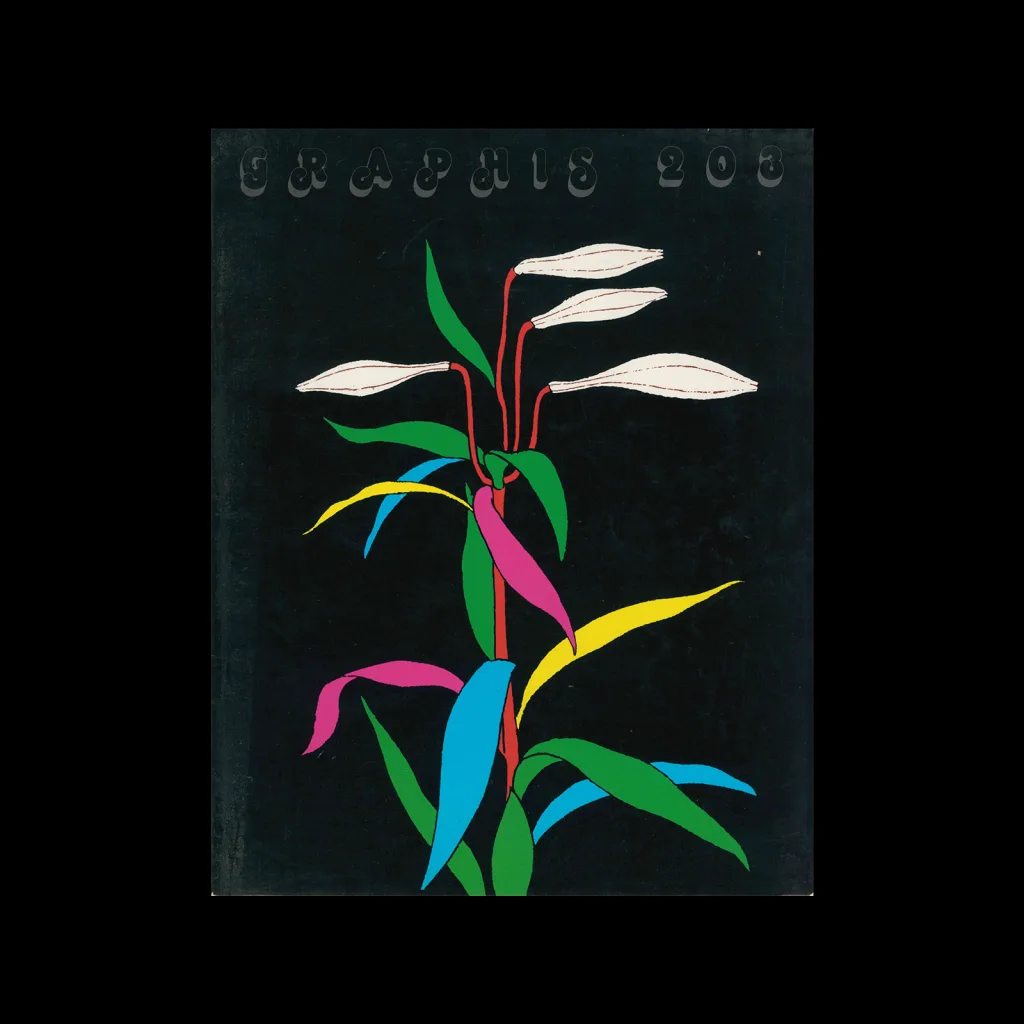
From the graphic design archive:

From the graphic design archive:
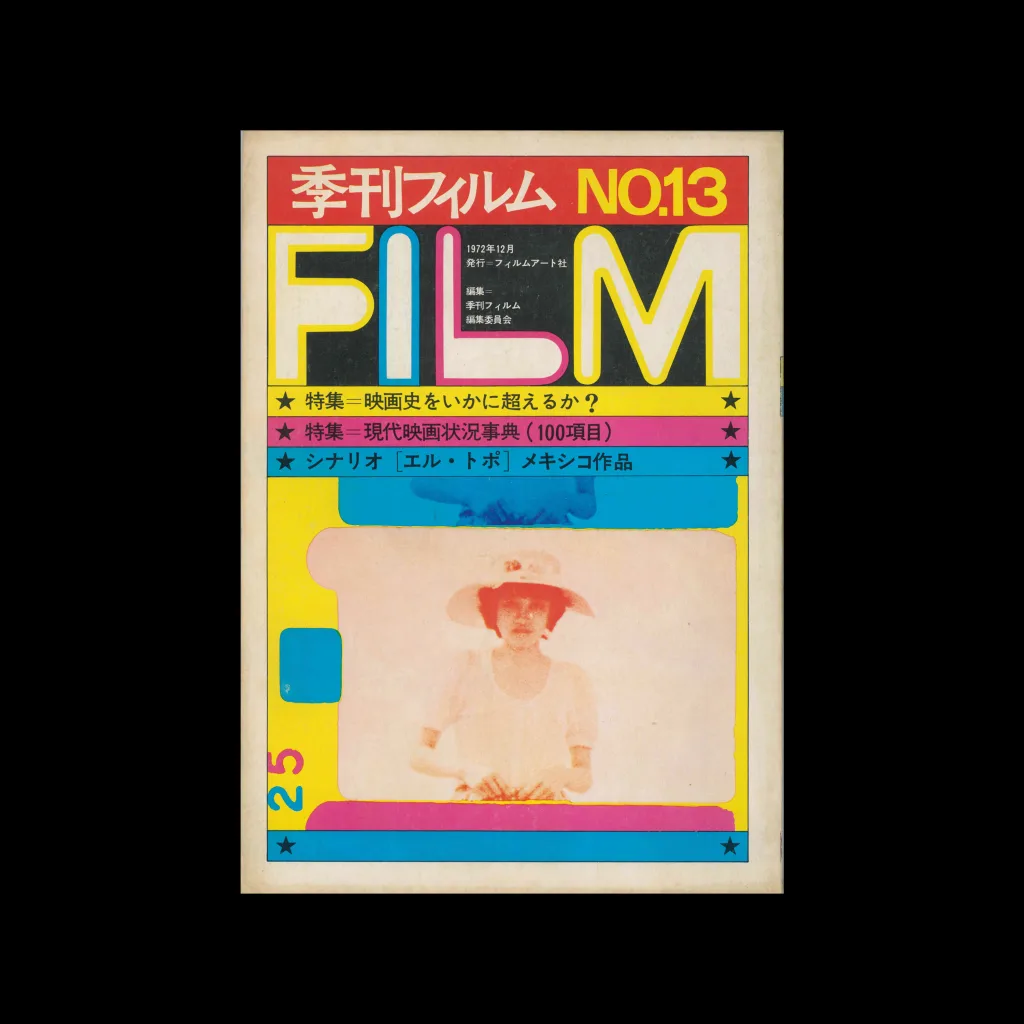
From the graphic design archive:
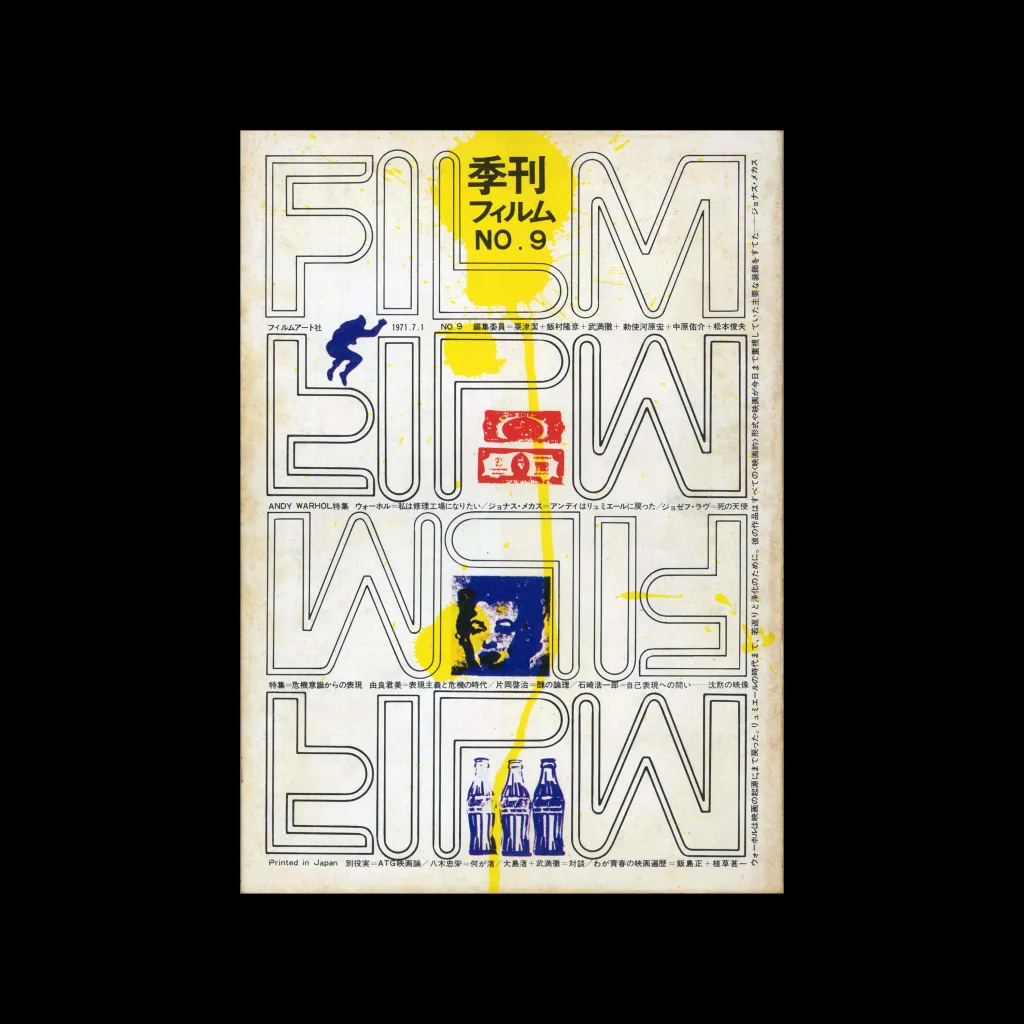
From the graphic design archive:

From the graphic design archive:

From the graphic design archive:
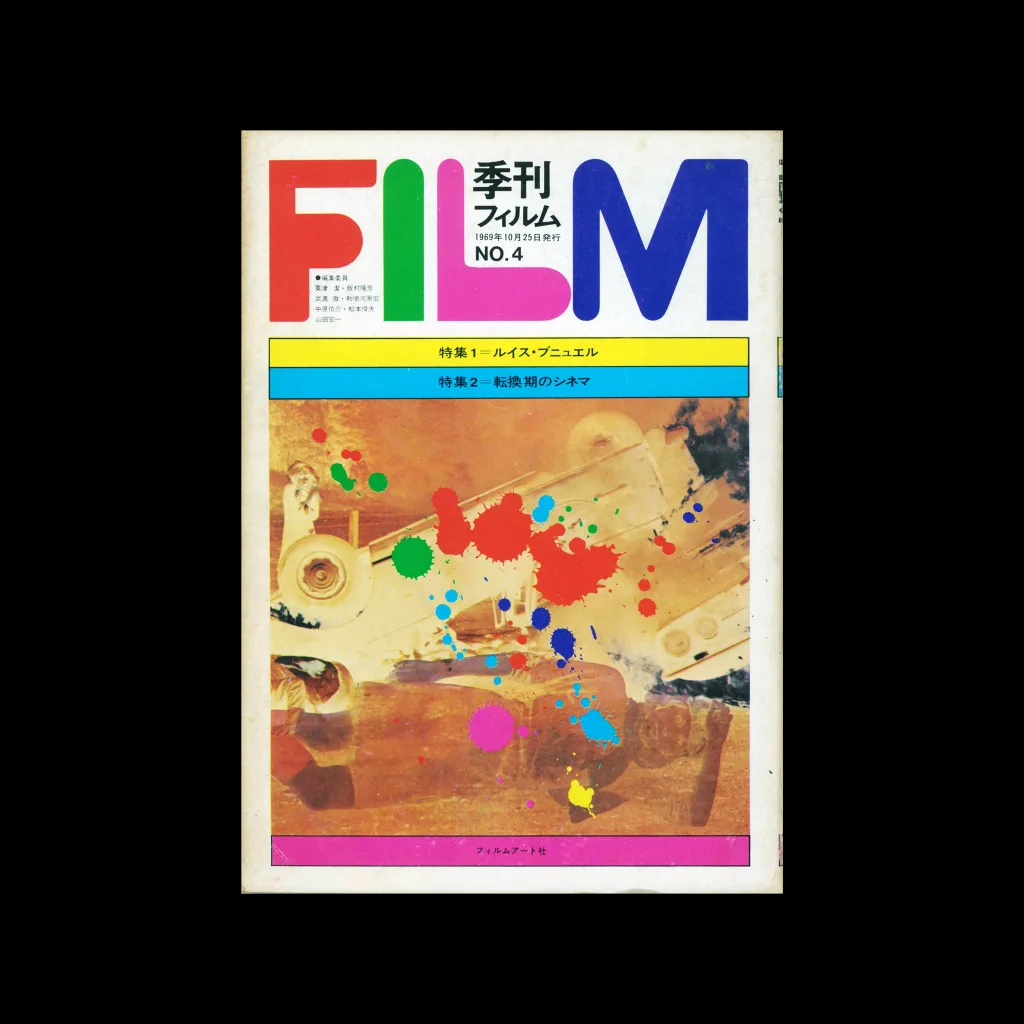
From the graphic design archive:
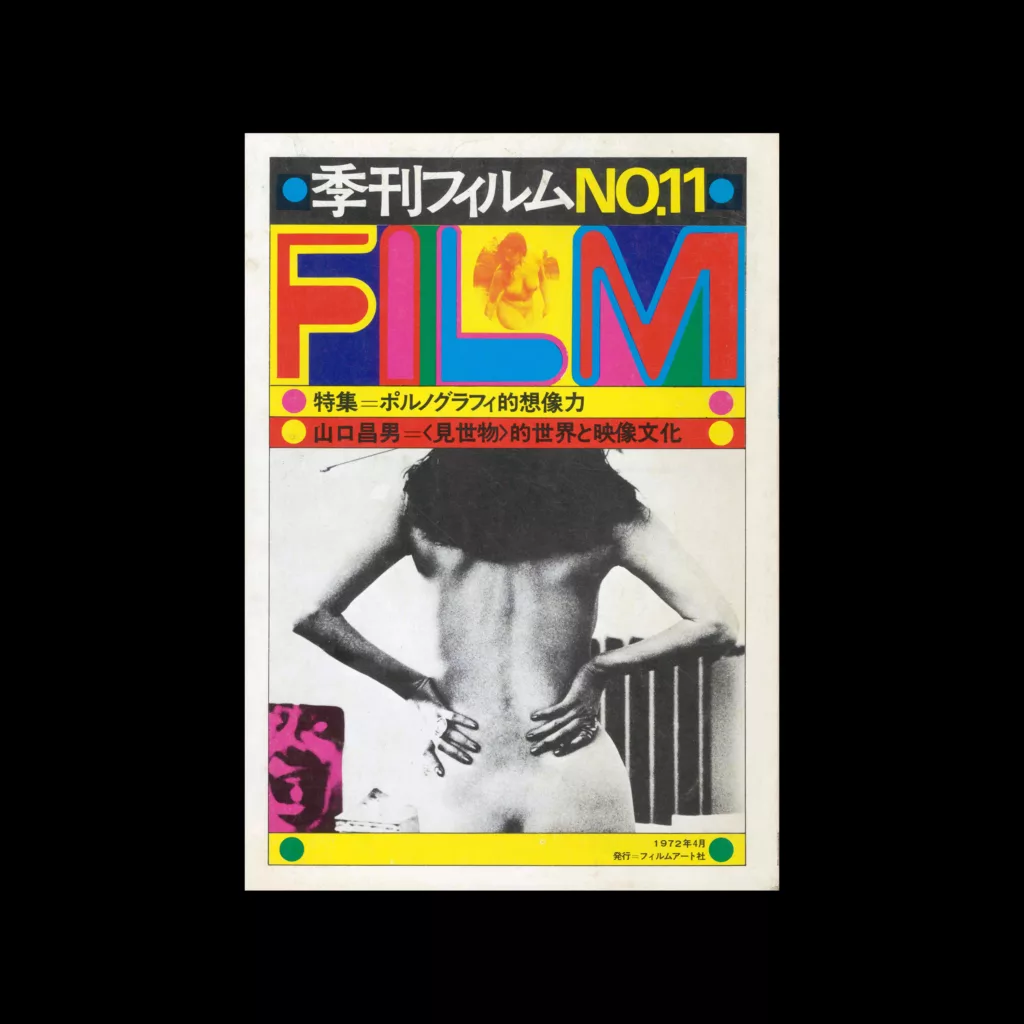
From the graphic design archive:
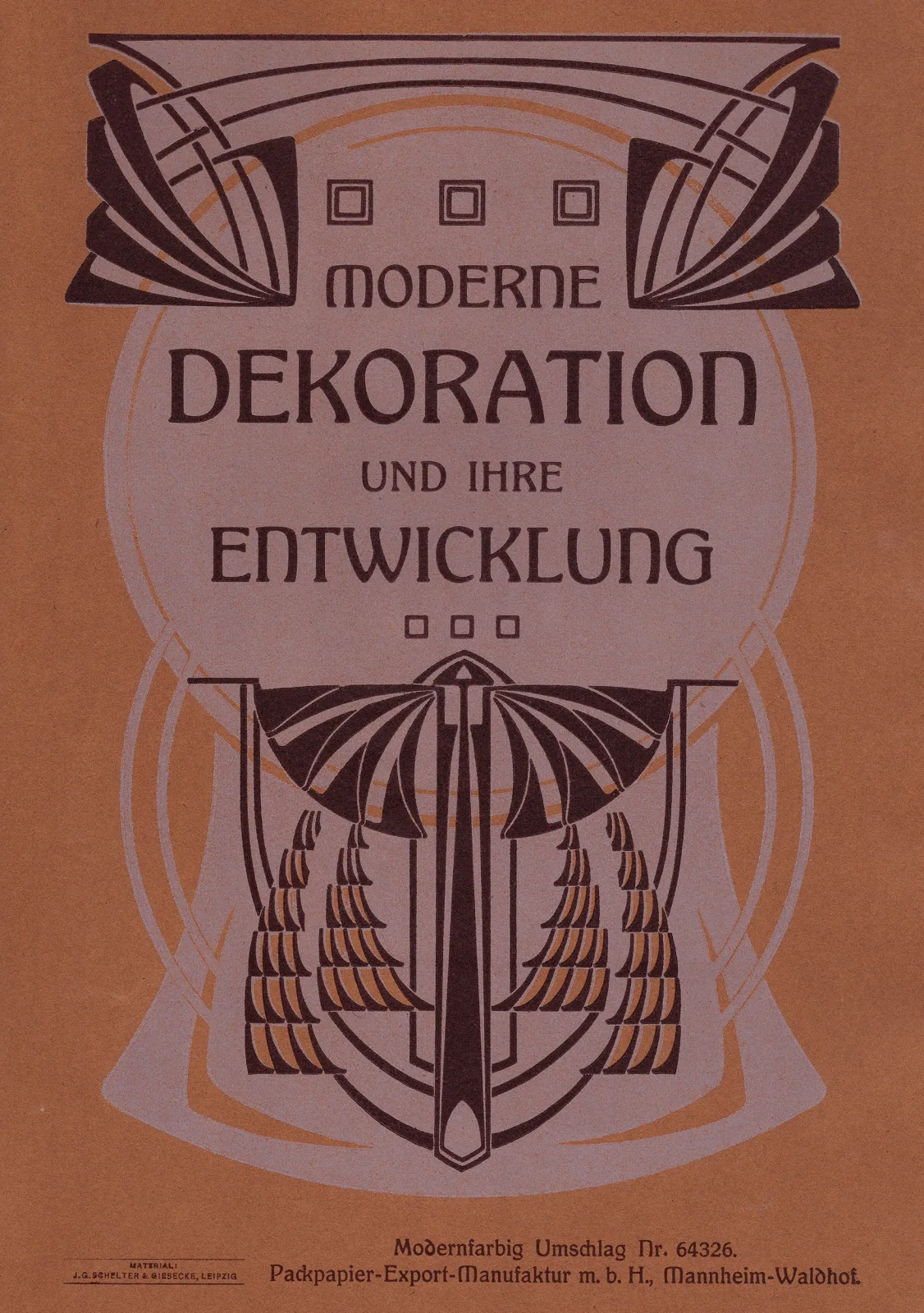
Typography & Type Design, Magazines & Publishing, Members Only Content, Regional Histories
Letterheads, menus, advertisements and business cards tipped into Typographische Jahrbücher in 1907. 58 original printing samples, scanned and featured.
Read Article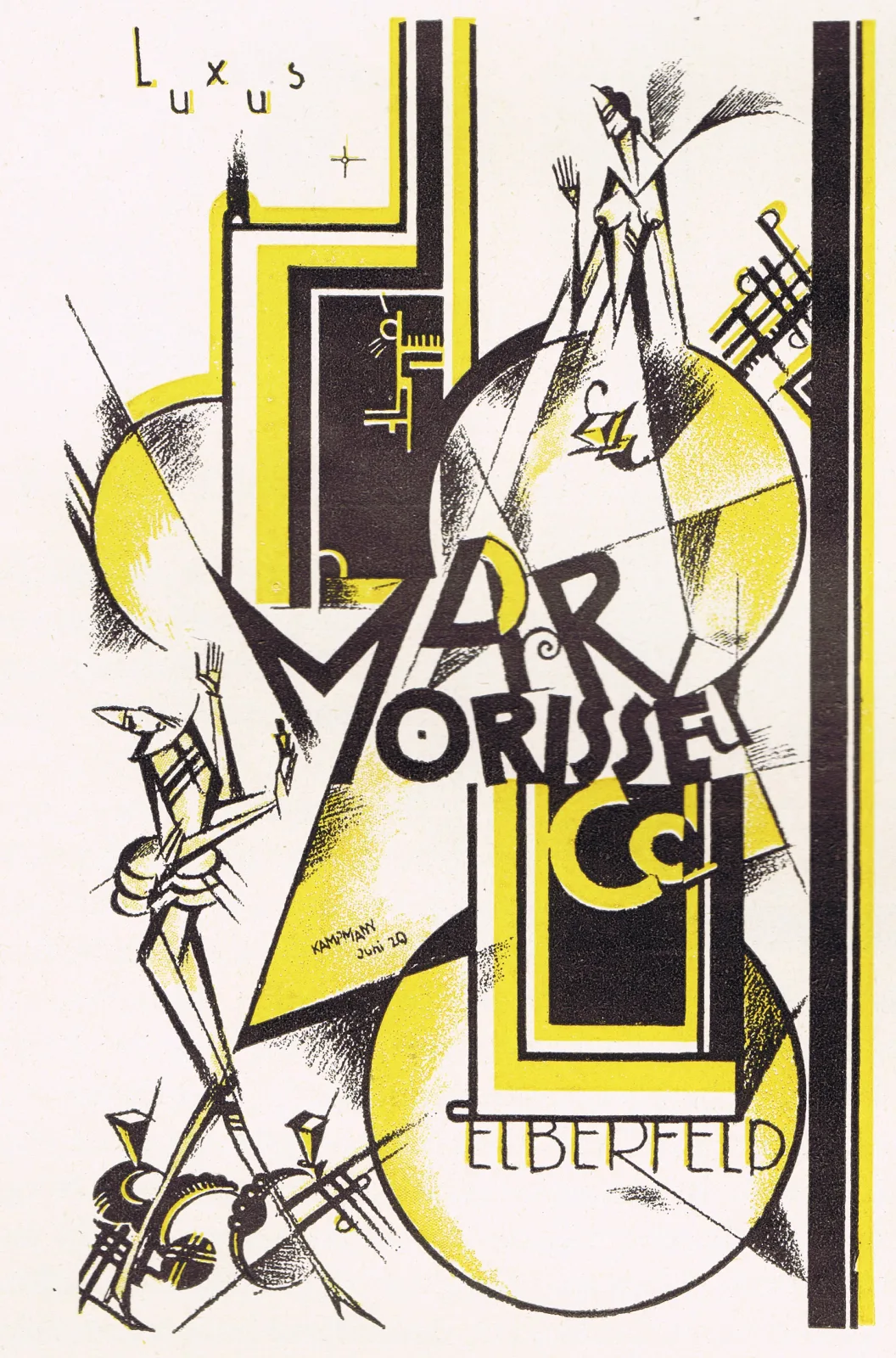
Design Translated, Designer Profiles, Members Only Content
A 1921 article on Walter Kampmann, originally in German, published in Das Plakat, Vol. 12, No. 6, in 1921.
Read Article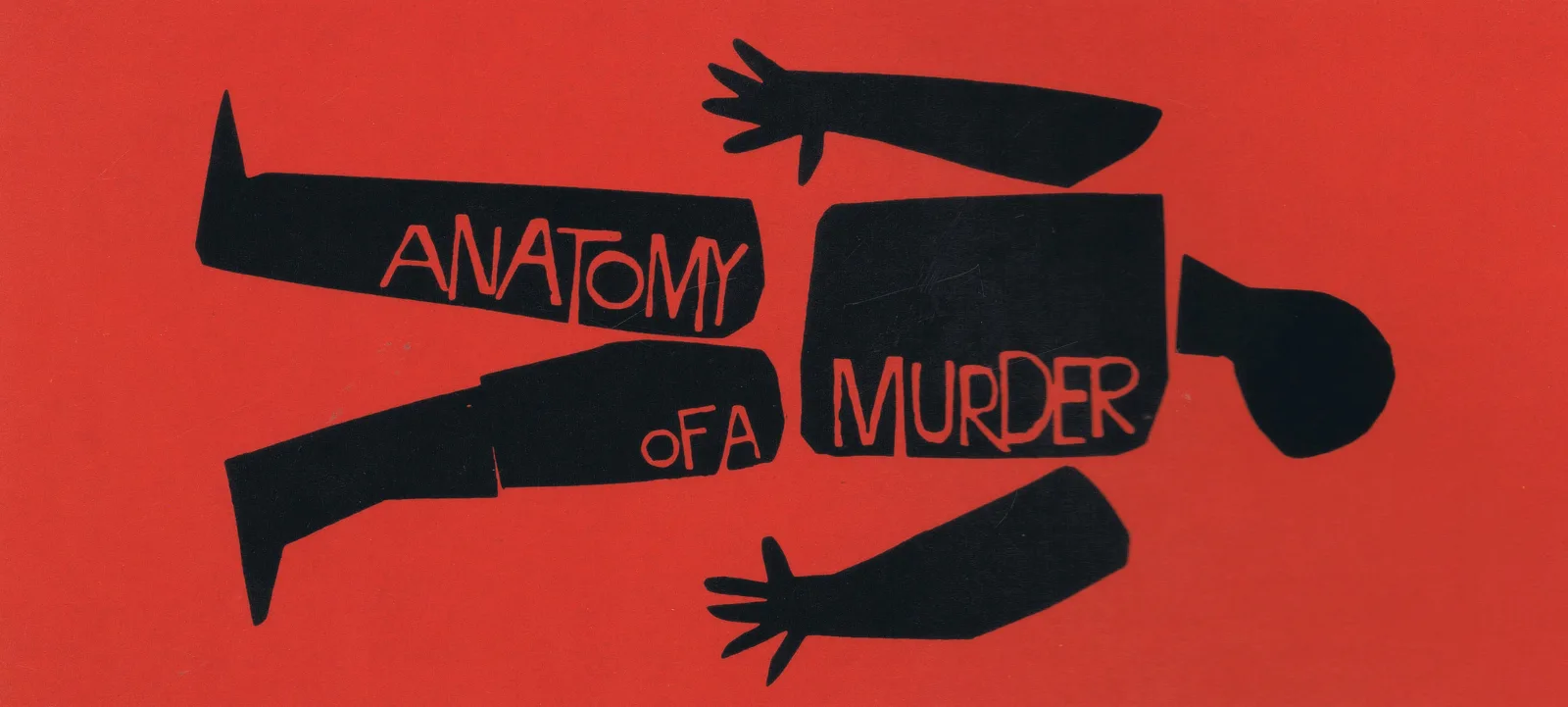
Designer Profiles, Illustration, Members Only Content
How Saul Bass turned opening credits into a design discipline, from The Man with the Golden Arm to Vertigo and Psycho, with quotes and title sequences.
Read Article