

Advertising Design, Design Archive Feature, Designer Profiles, Members Only Content
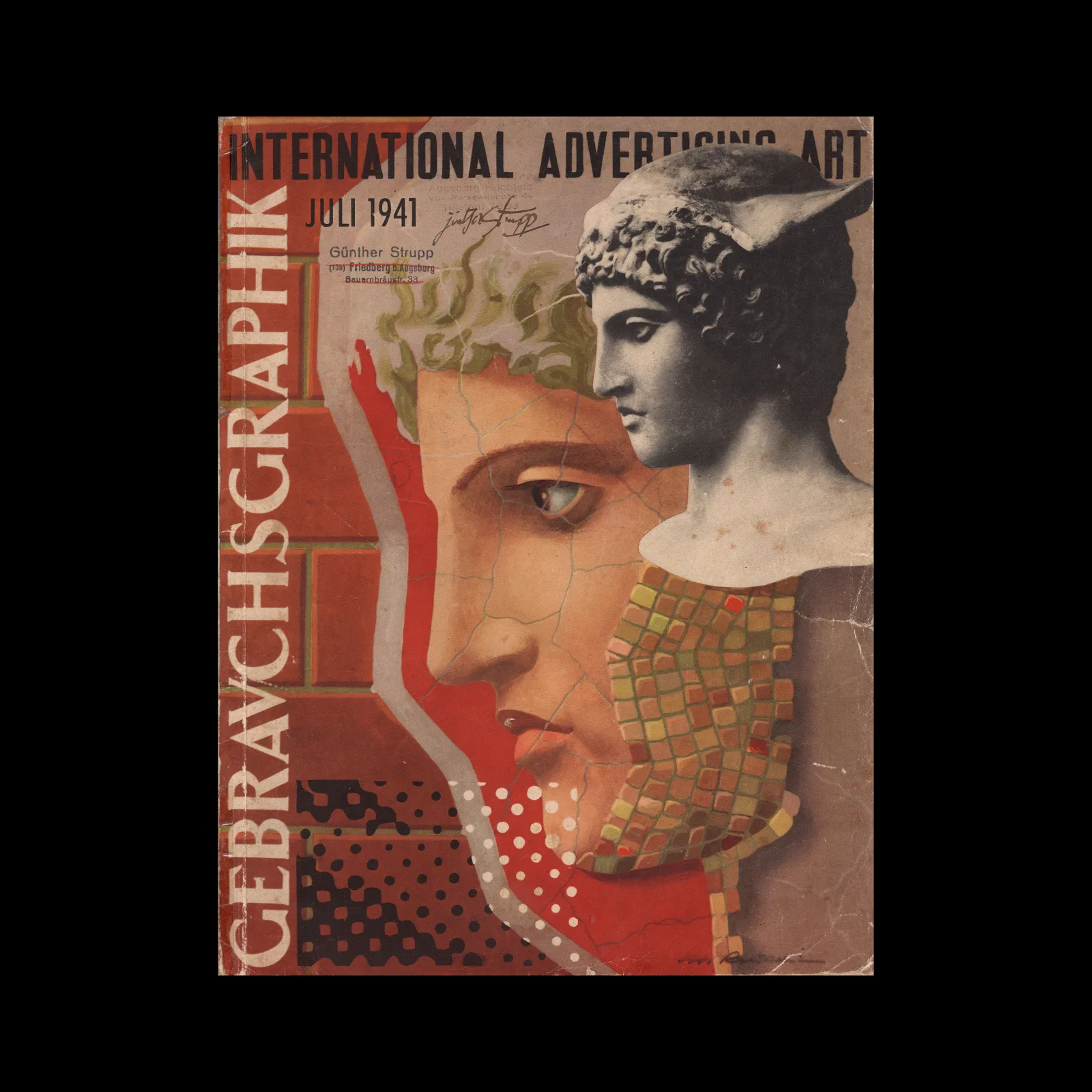
Joseph Binder translated machine-age aesthetics into refined Art Deco compositions. These magazine covers have become prime examples of American commercial modernism.
Read Article
Design Archive Feature, Magazines & Publishing, Members Only Content
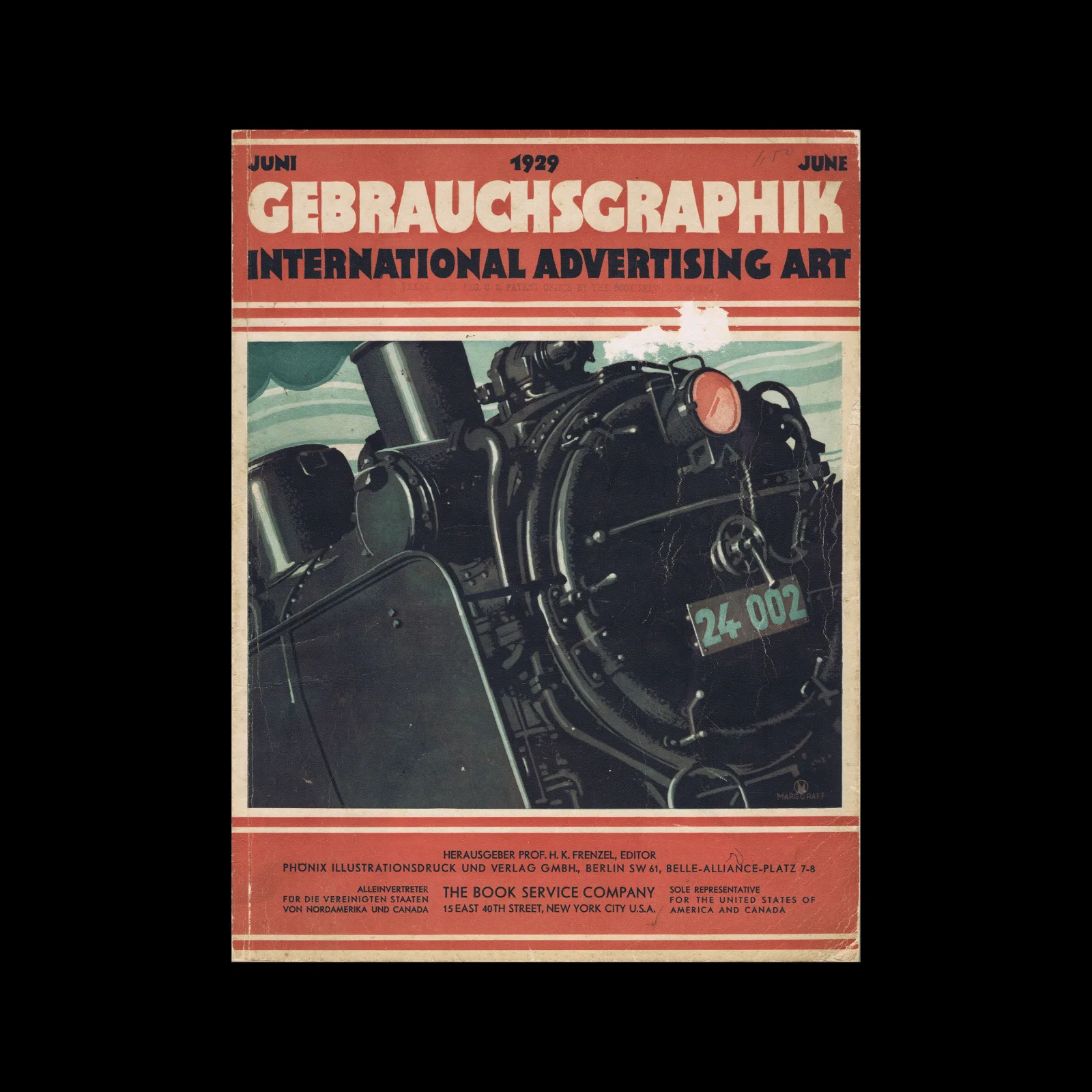
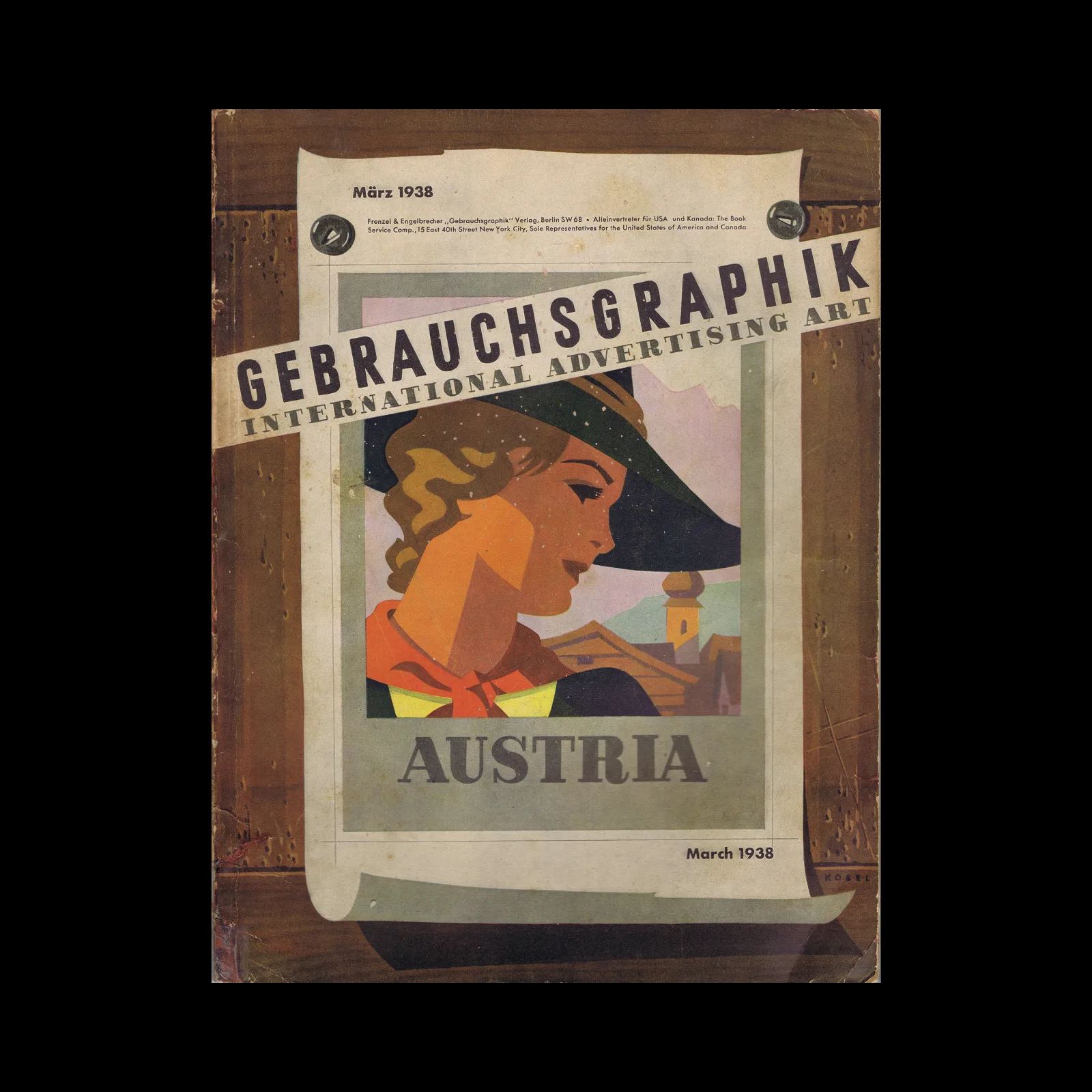
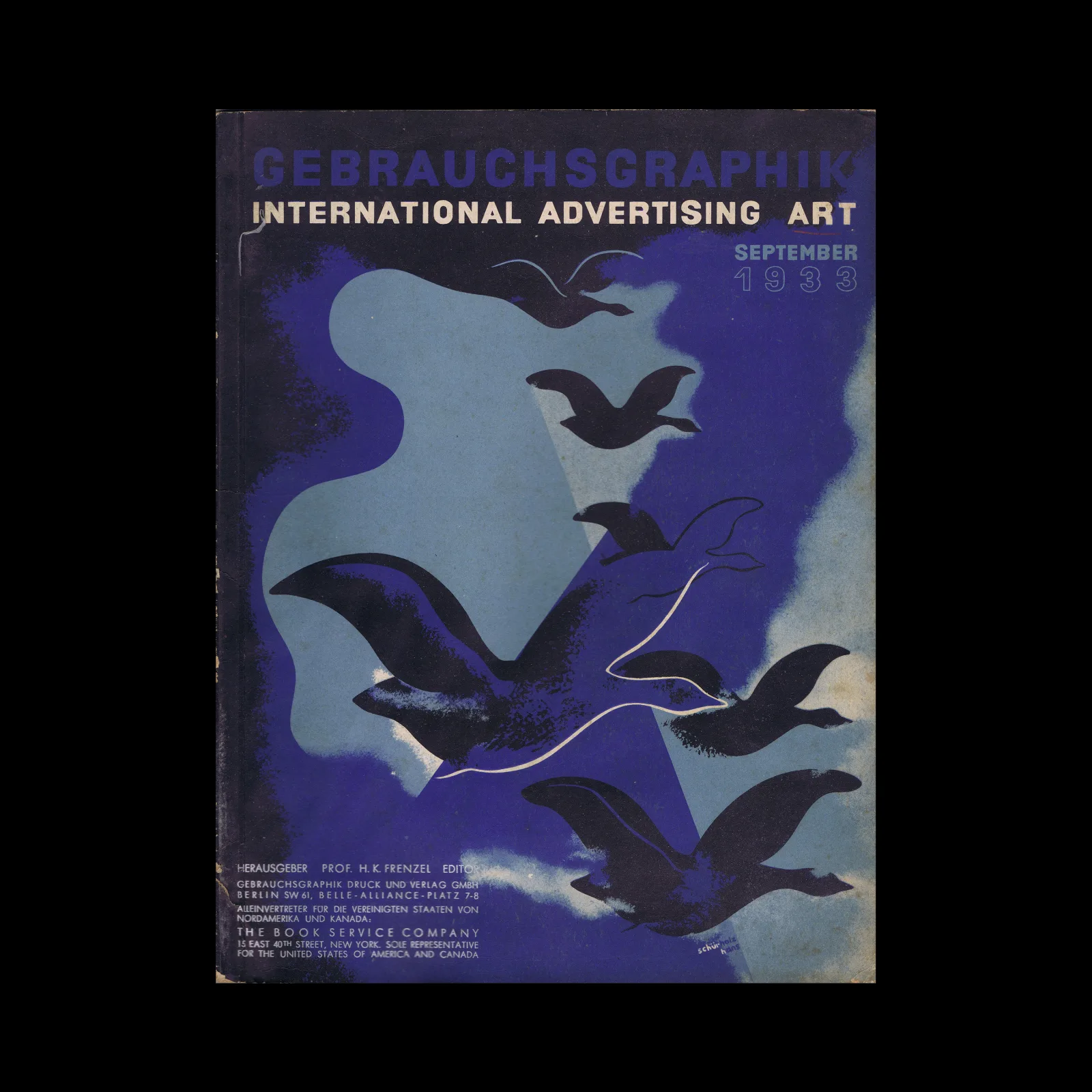
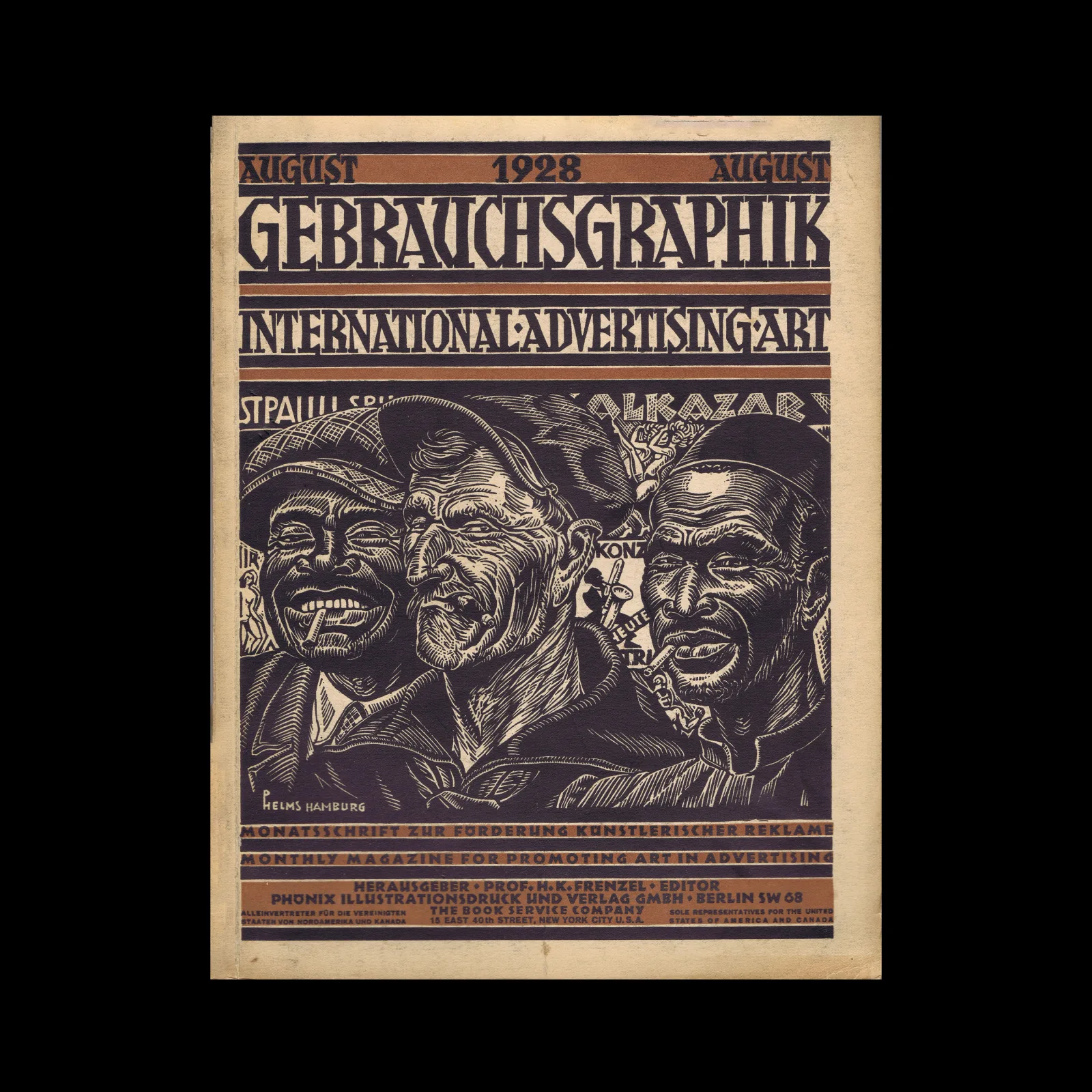
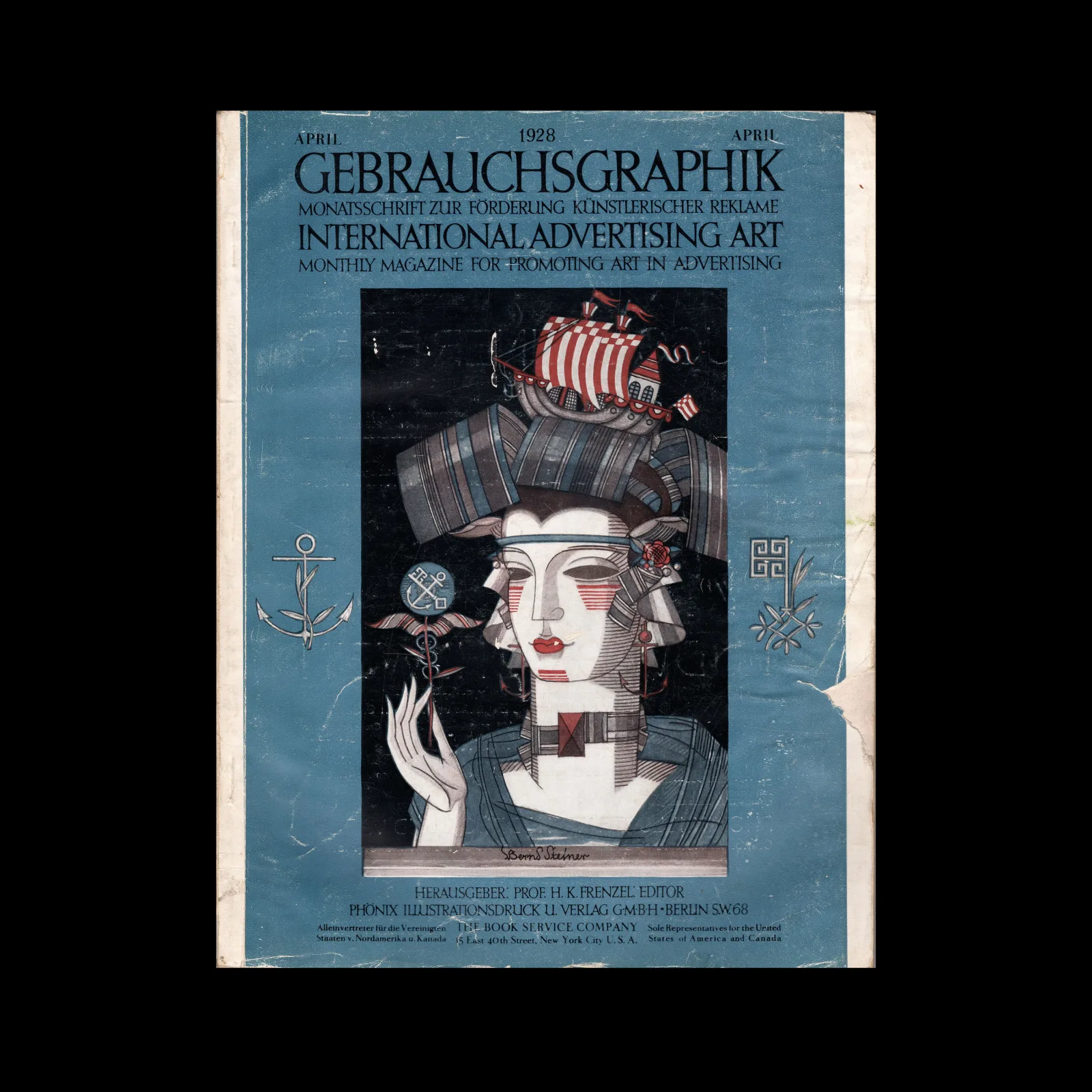
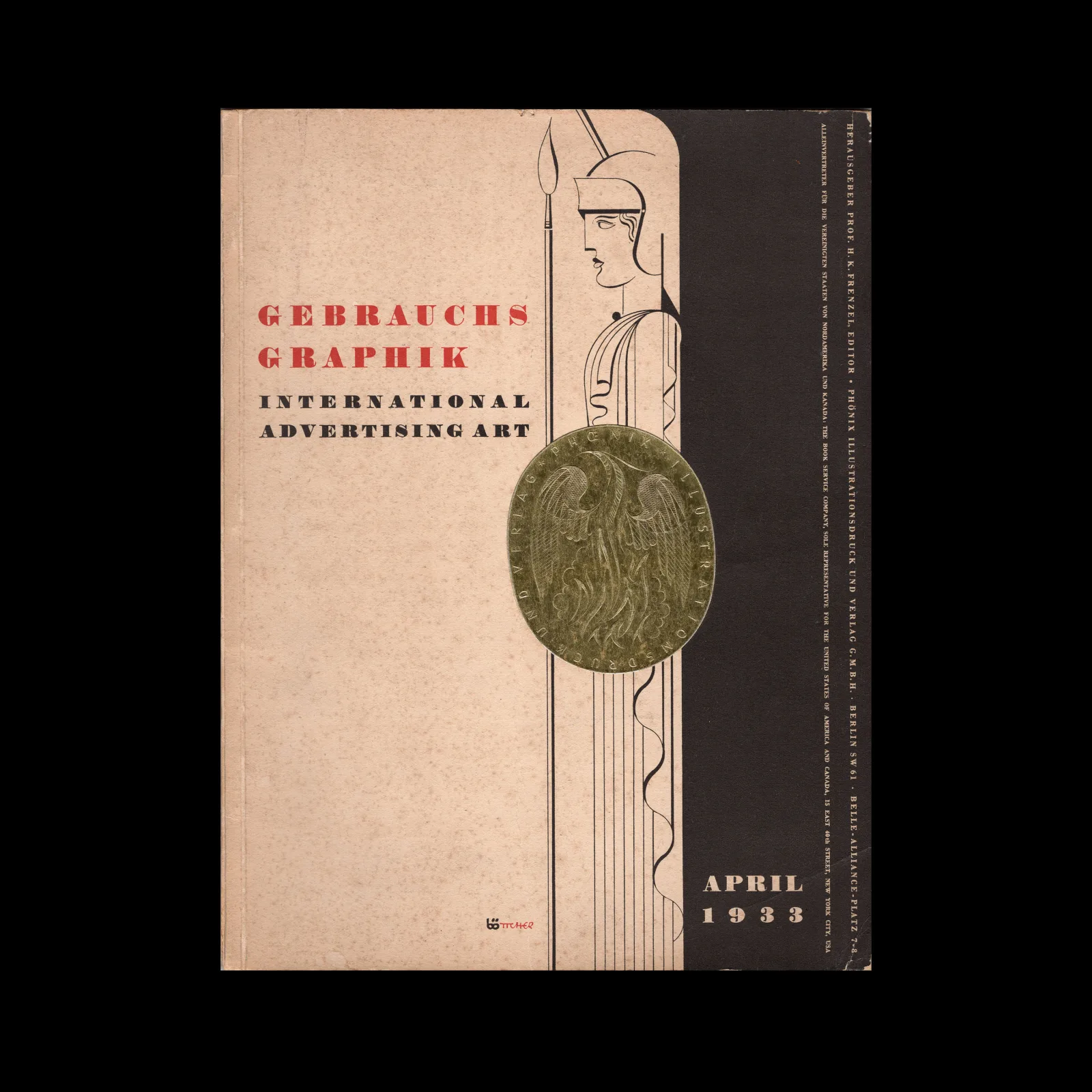
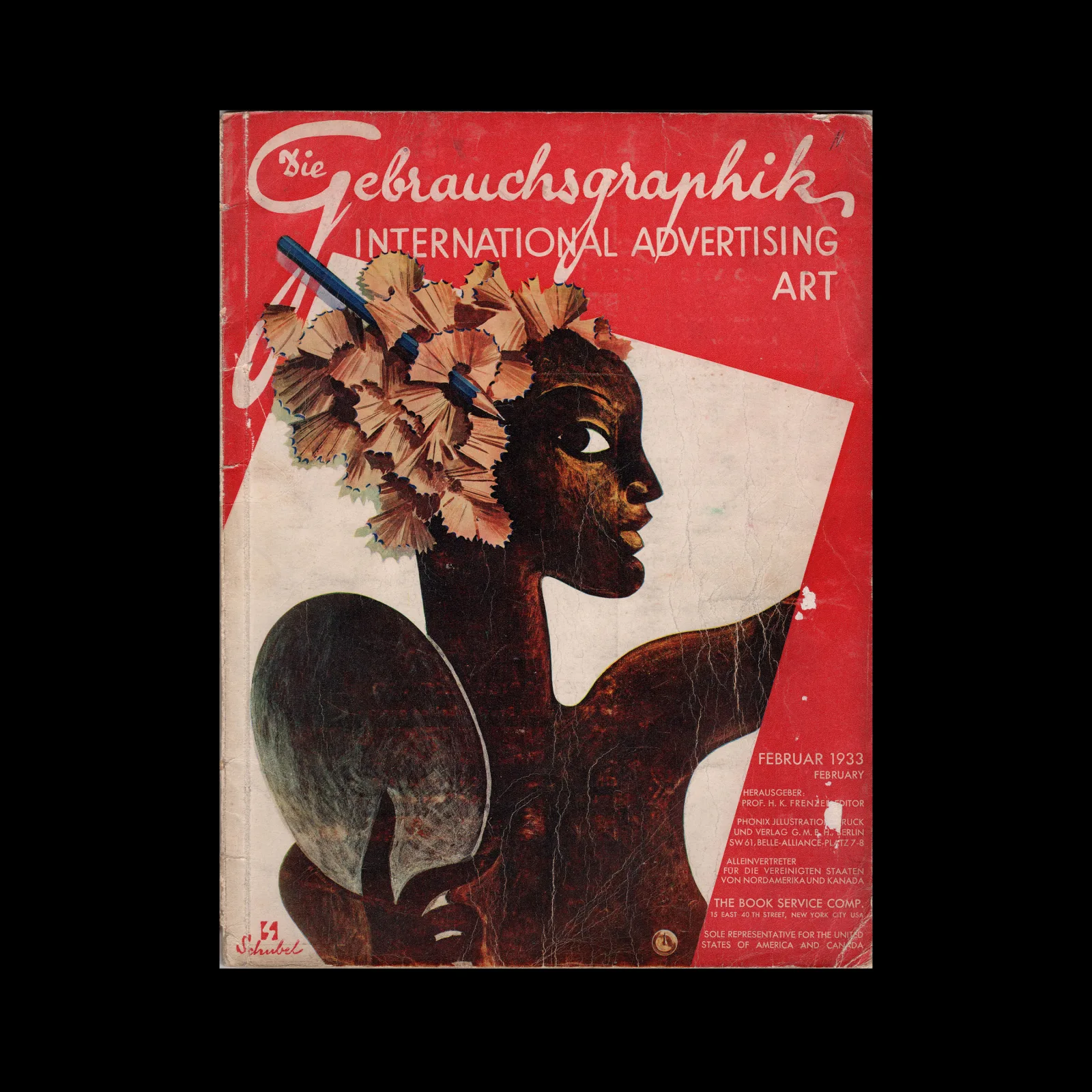
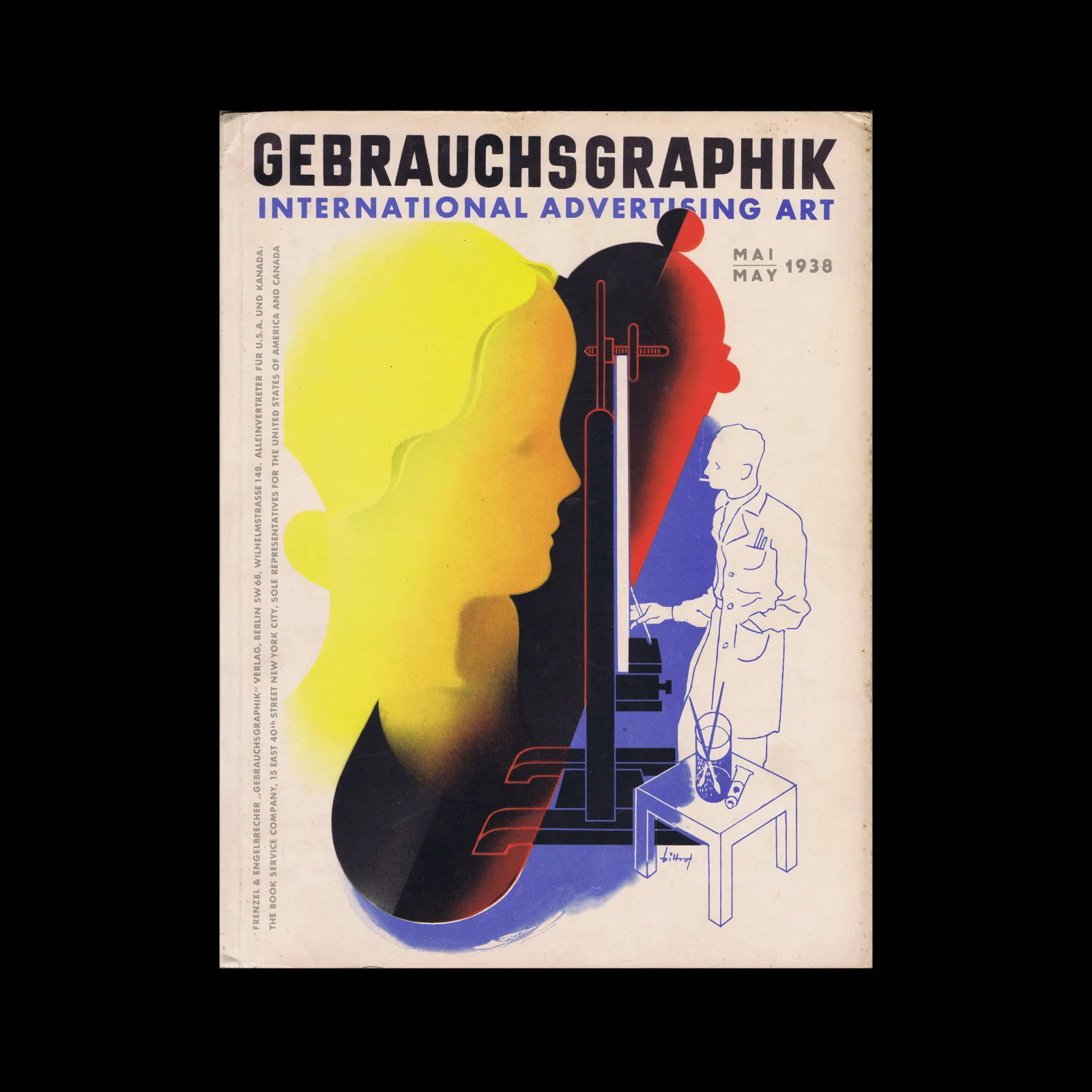
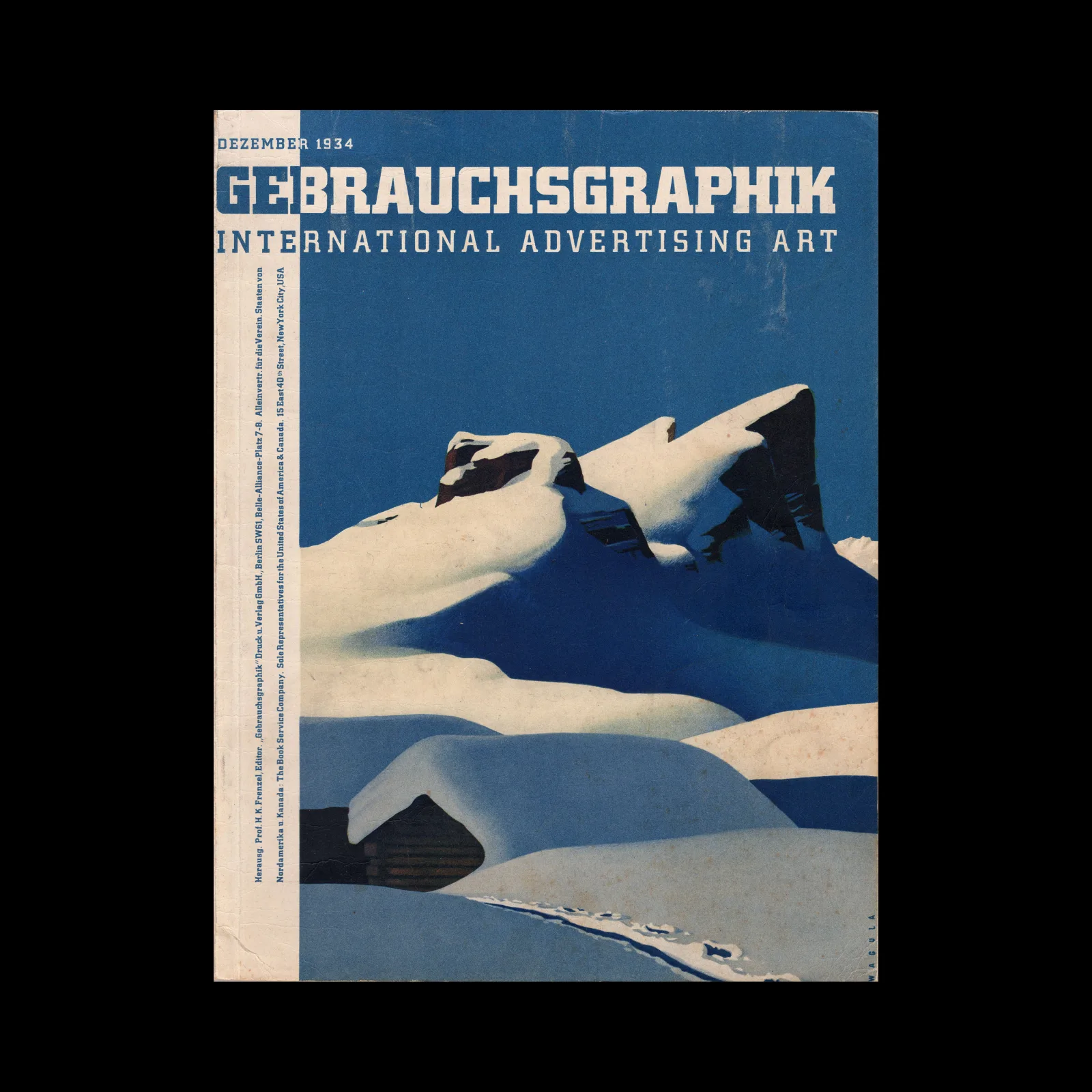
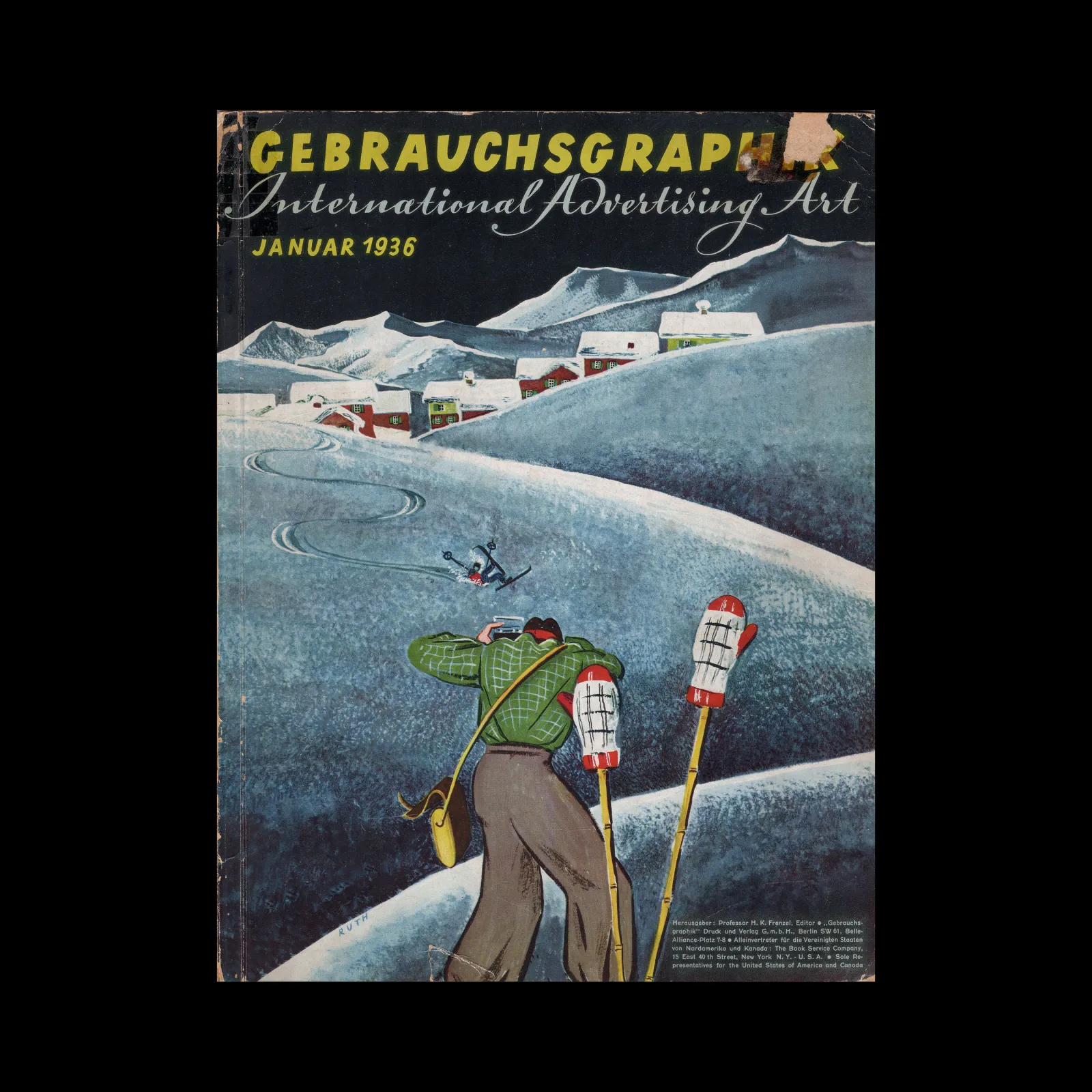
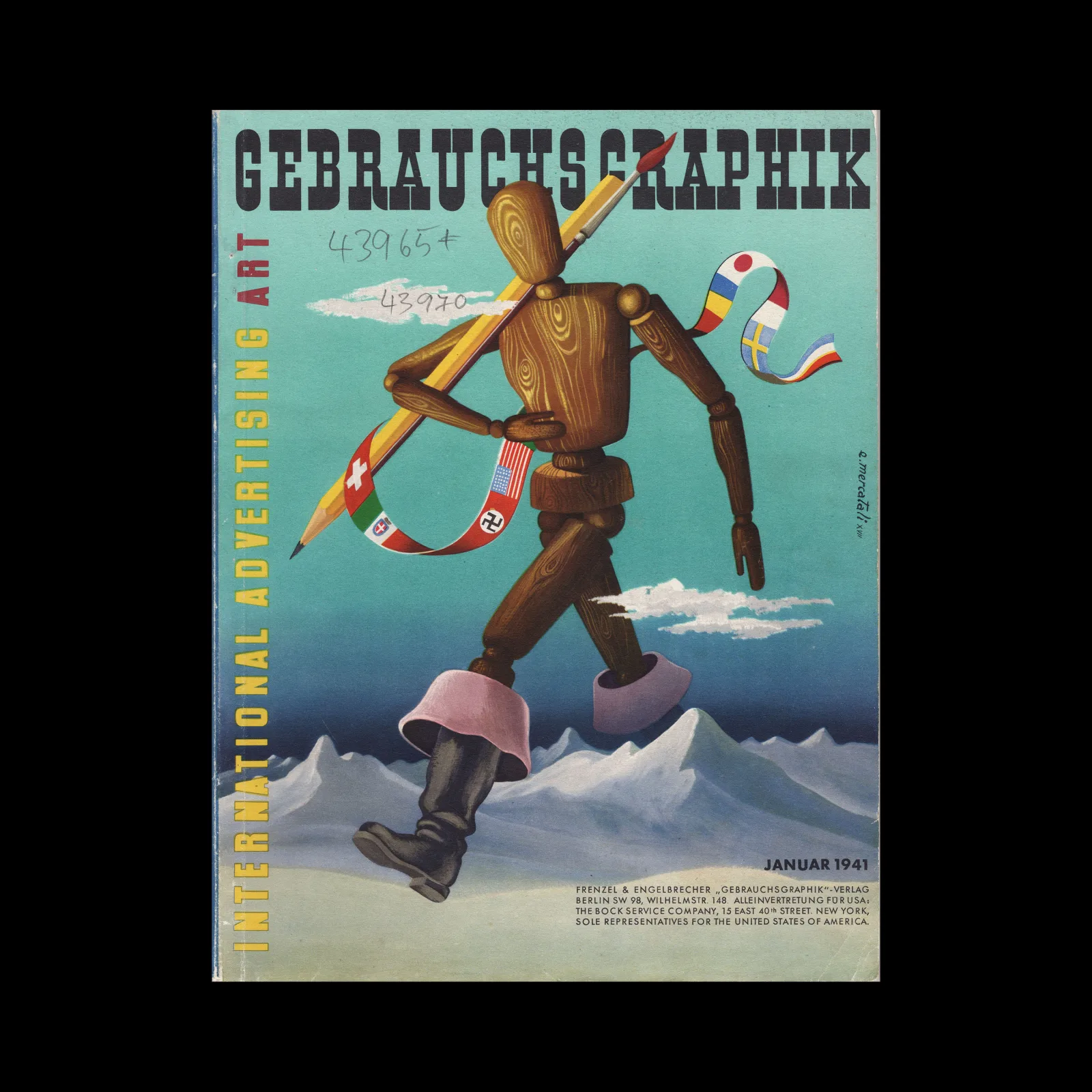
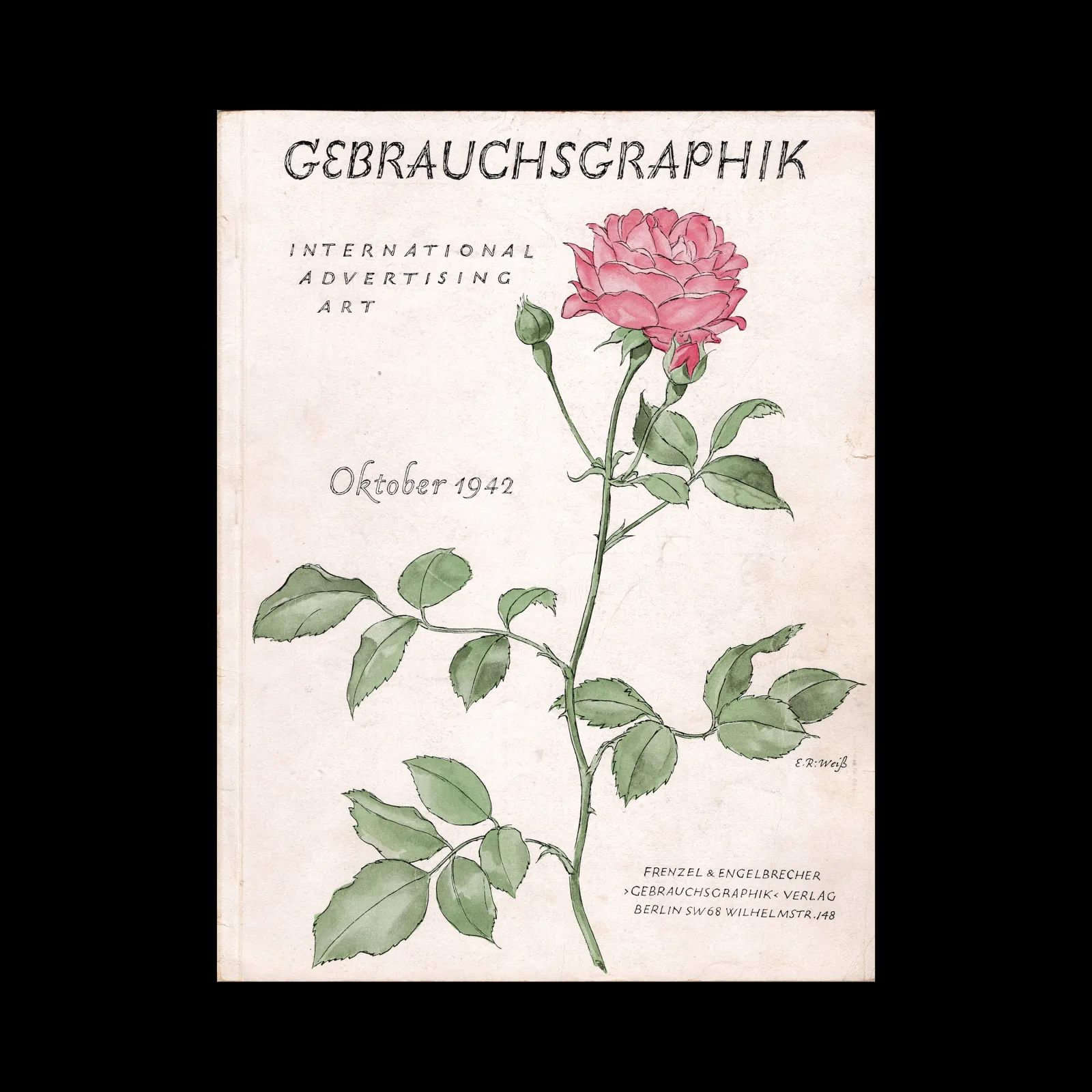
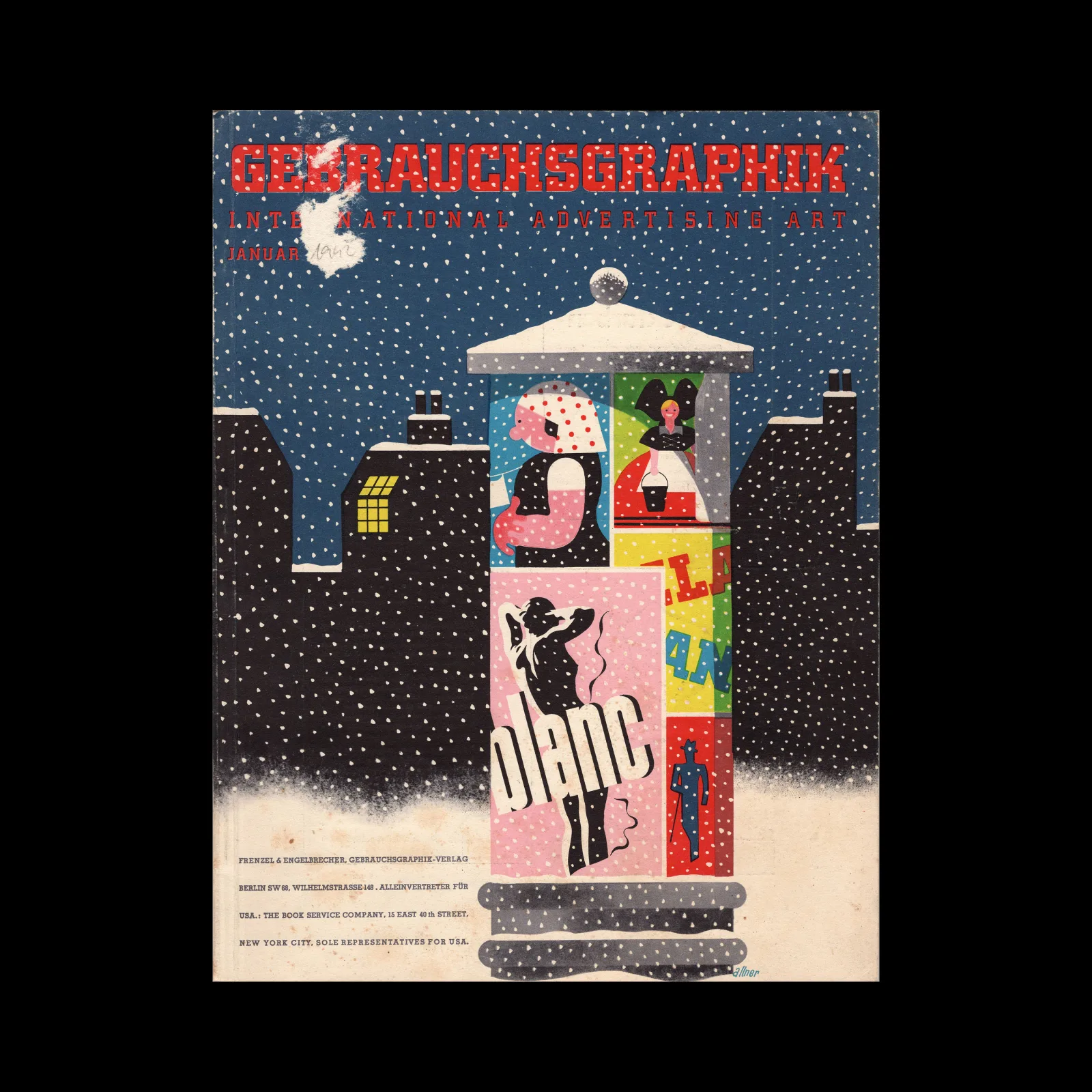
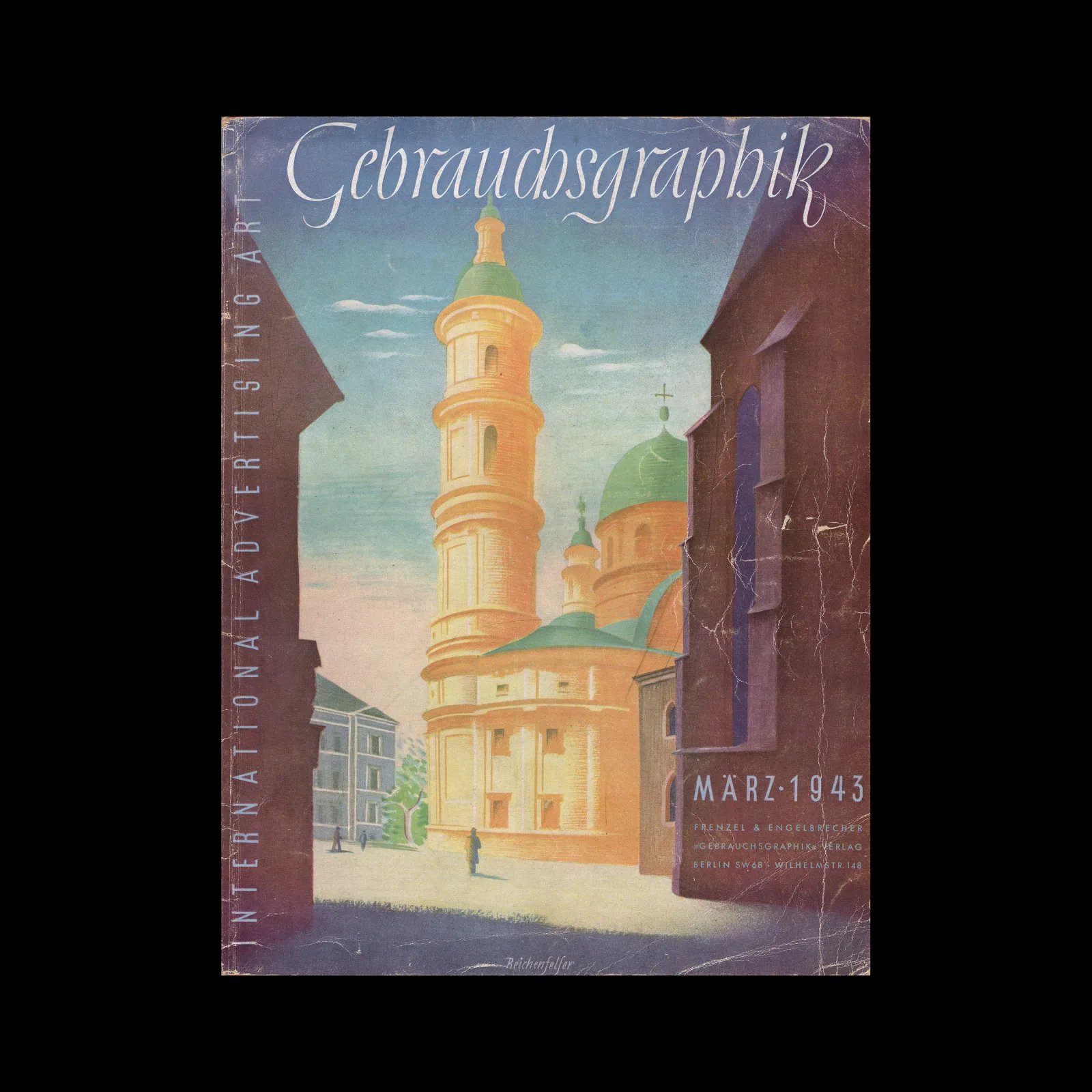
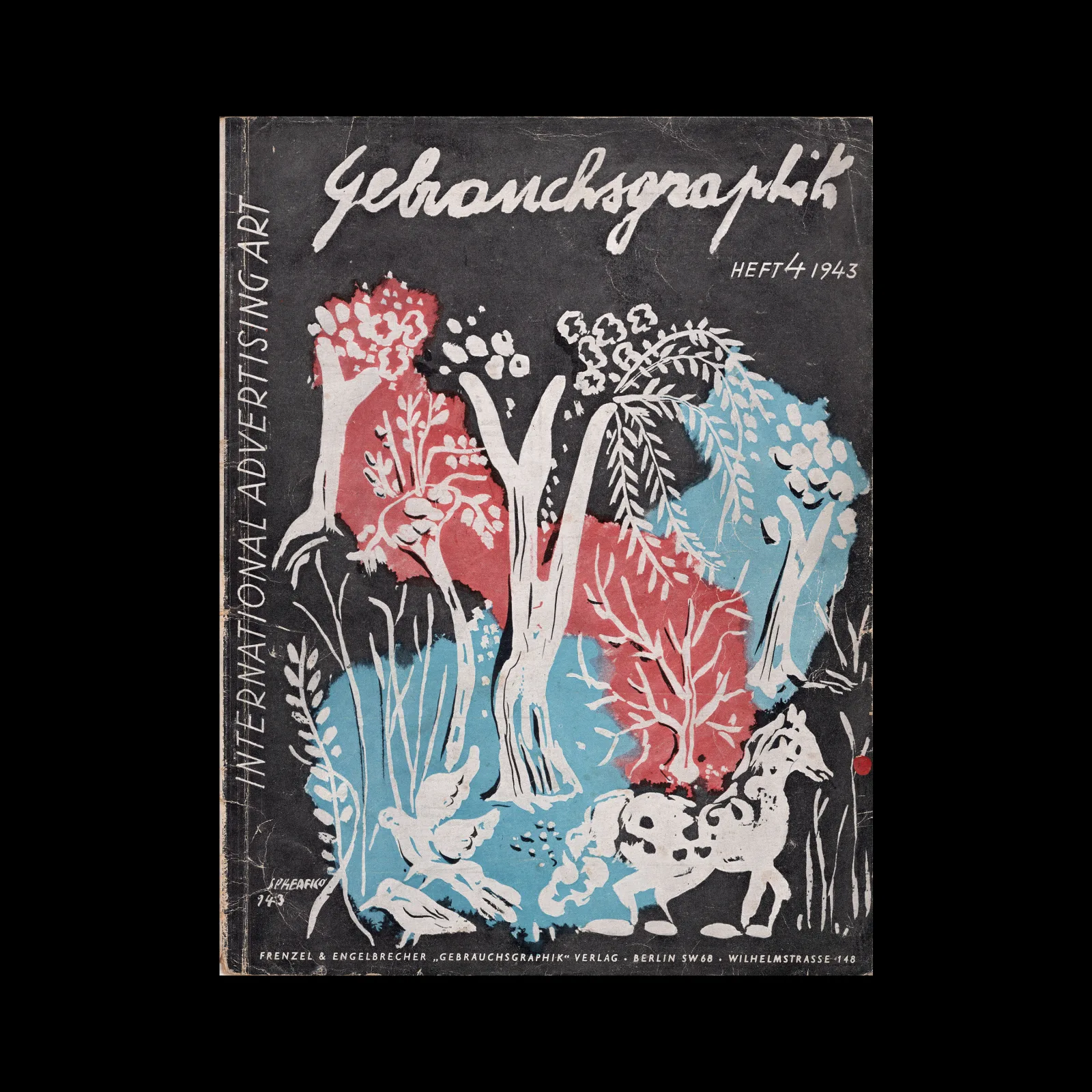
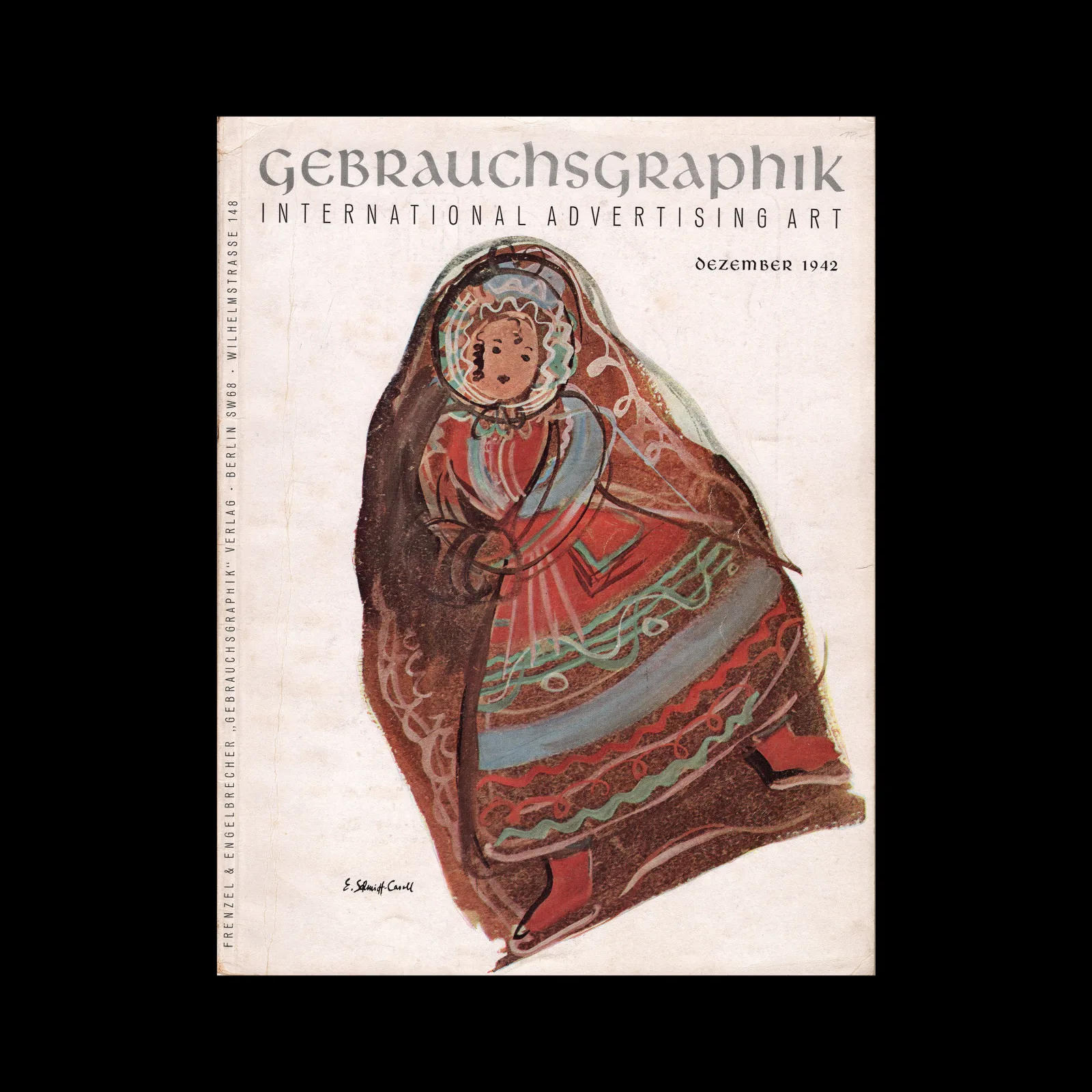
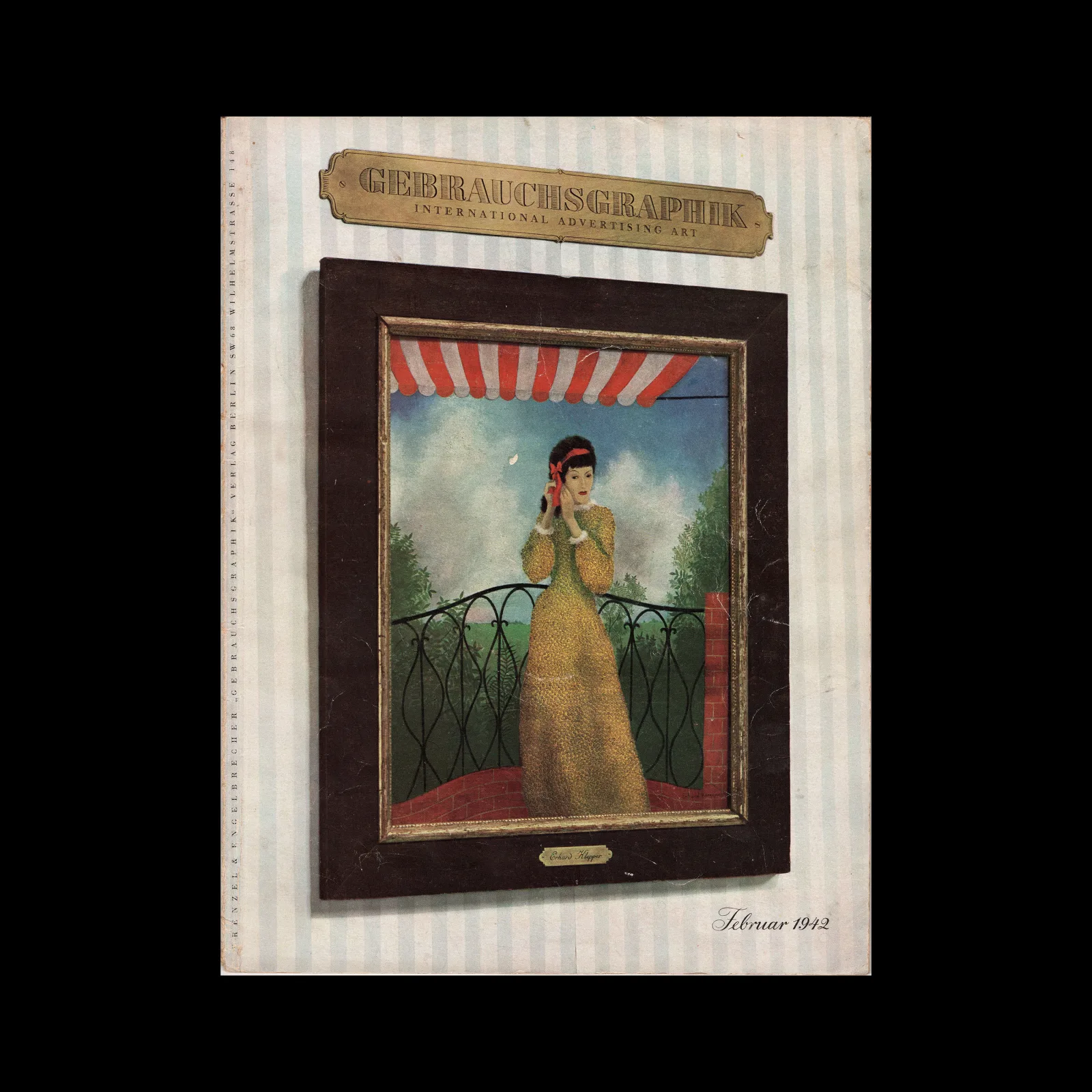
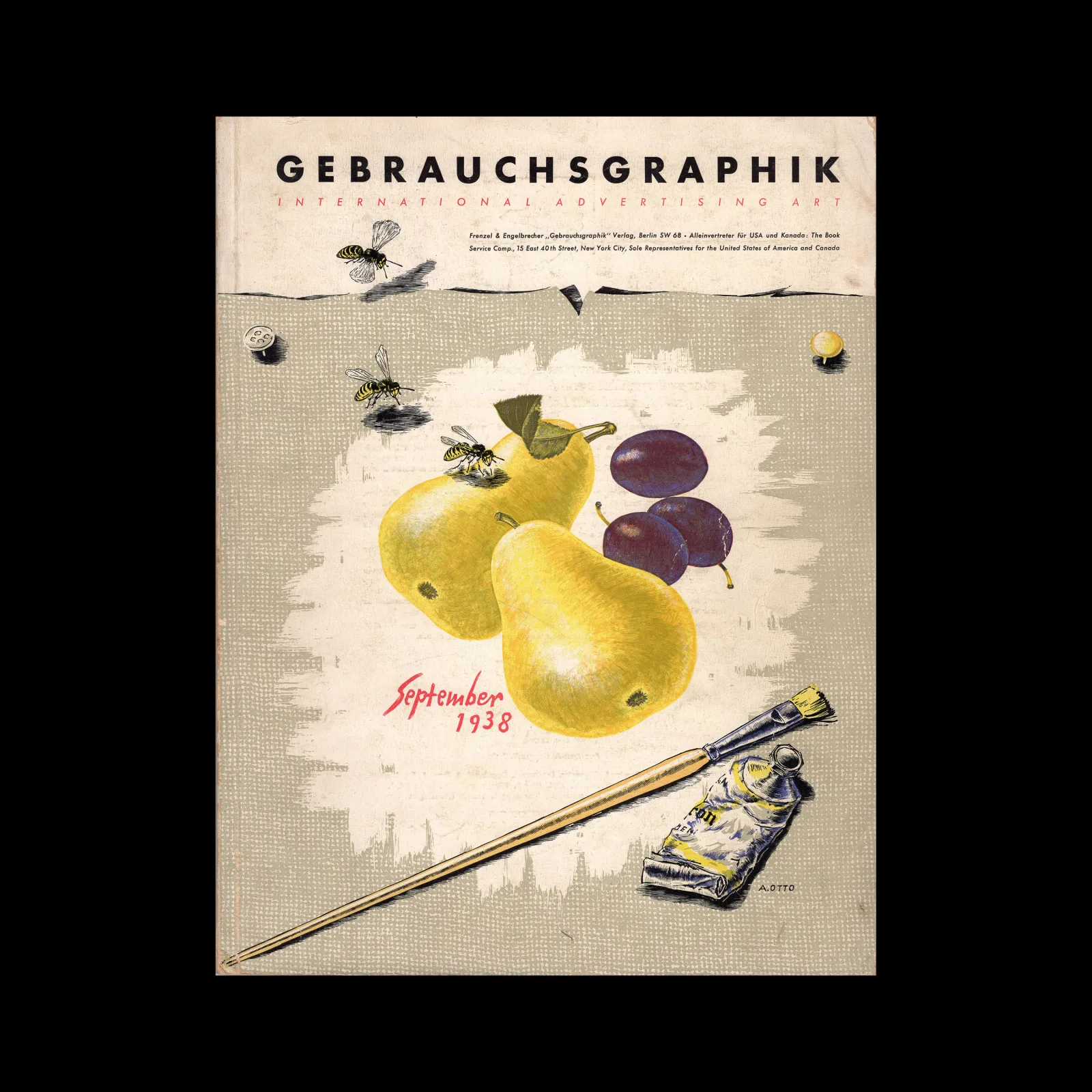
The dedication of Gebrauchsgraphiks editors and publishers significantly influenced the spread and impact of graphic design, documenting countless designers who might otherwise have been forgotten over the last century since its first issue hit newsstands. Design magazines play a crucial role in supporting the design profession and remain vital resources for designers and historians alike.
Read Article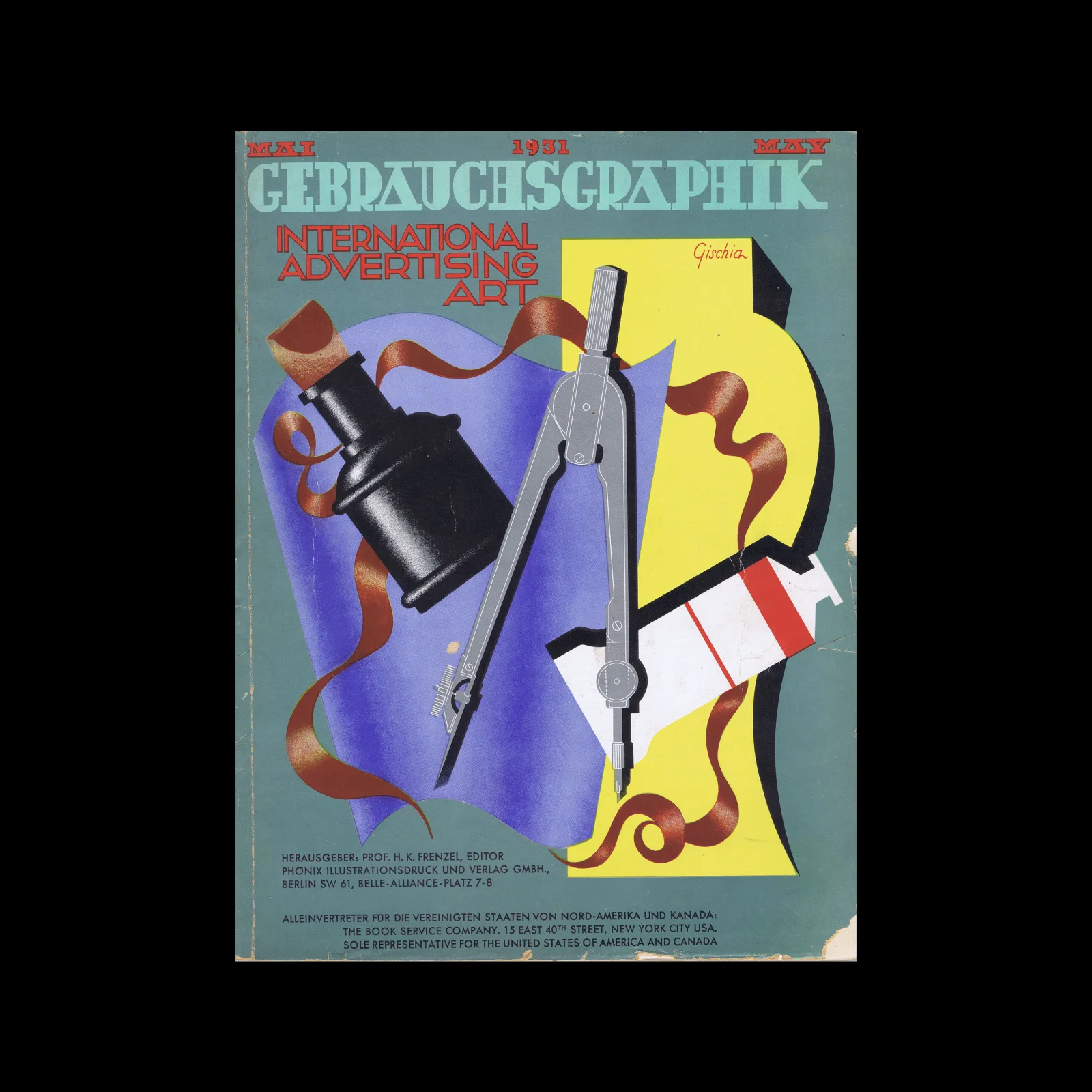
From the graphic design archive:
From the graphic design archive:
From the graphic design archive:
From the graphic design archive:
From the graphic design archive:
From the graphic design archive:
From the graphic design archive:
From the graphic design archive:
From the graphic design archive:
From the graphic design archive:
From the graphic design archive:
From the graphic design archive:
From the graphic design archive:
From the graphic design archive:
From the graphic design archive:
From the graphic design archive:
From the graphic design archive:
From the graphic design archive:
From the graphic design archive:
From the graphic design archive:
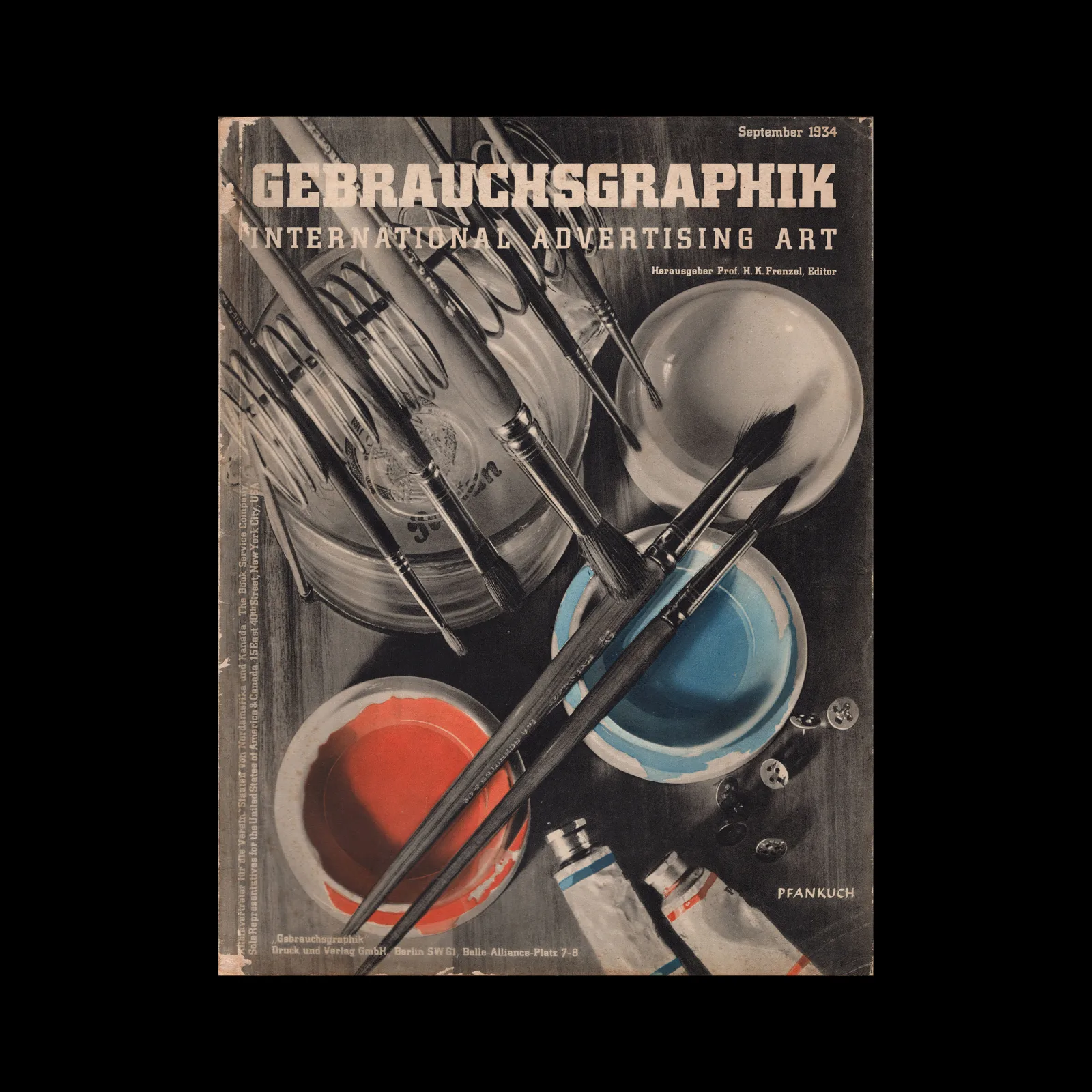
From the graphic design archive:
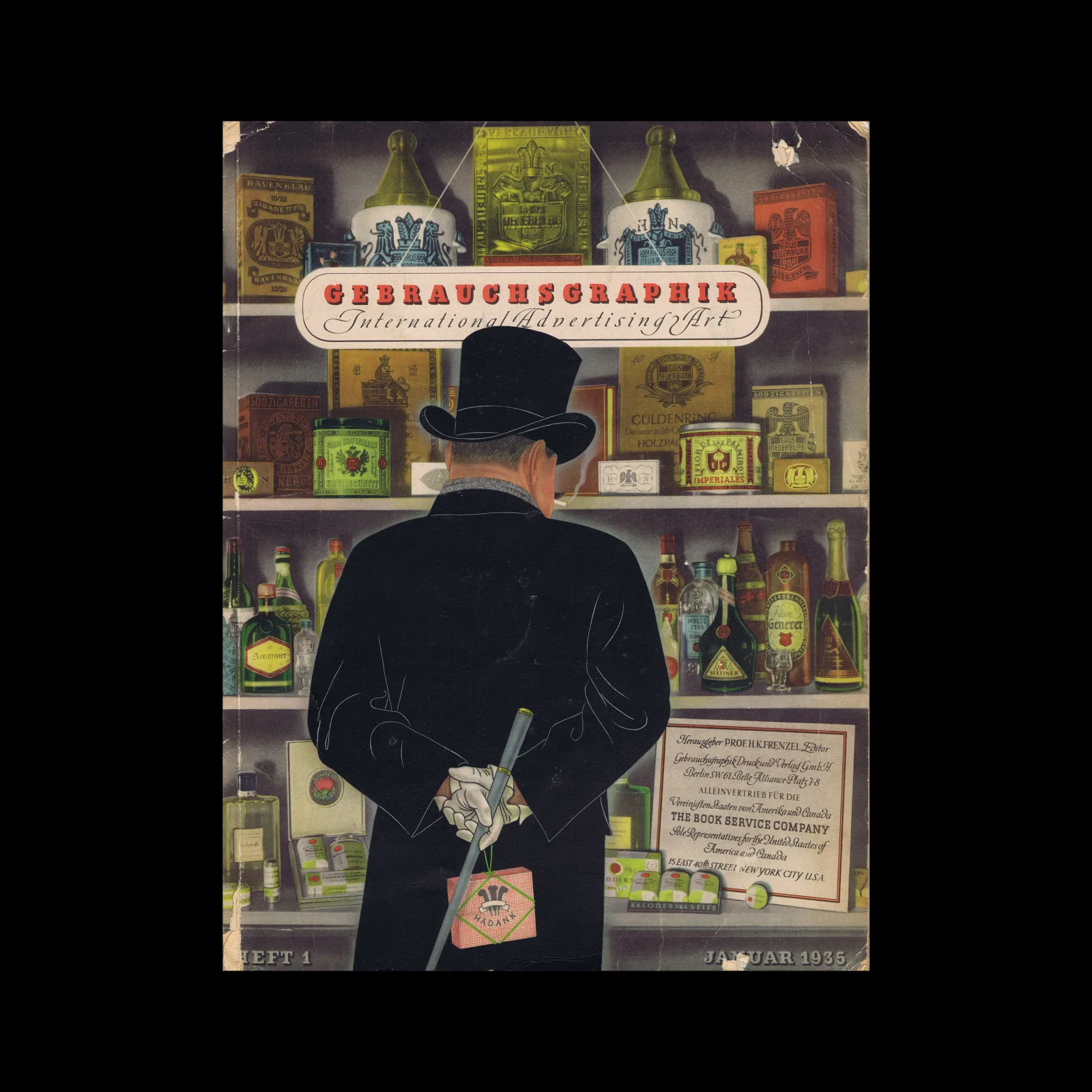
From the graphic design archive:
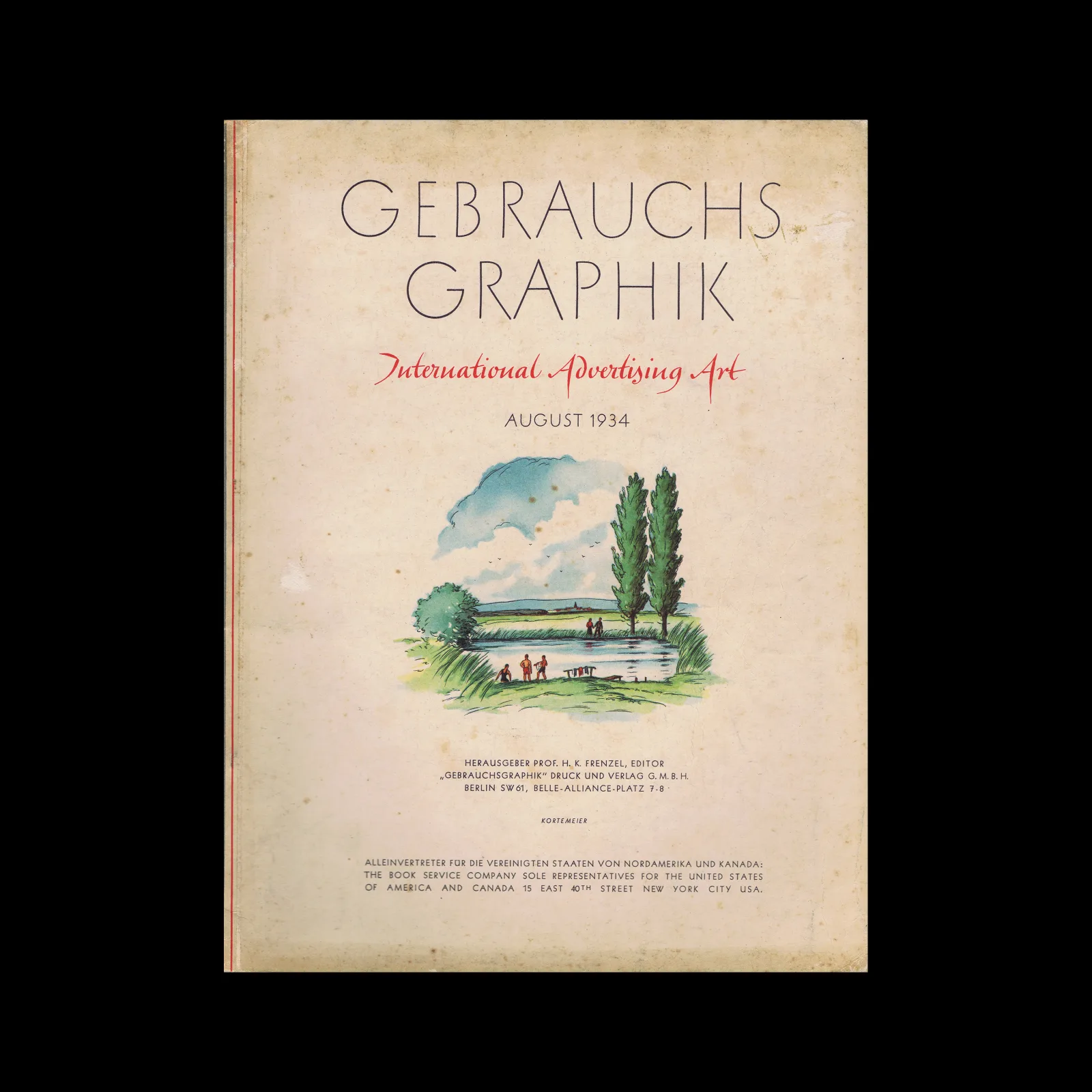
From the graphic design archive:
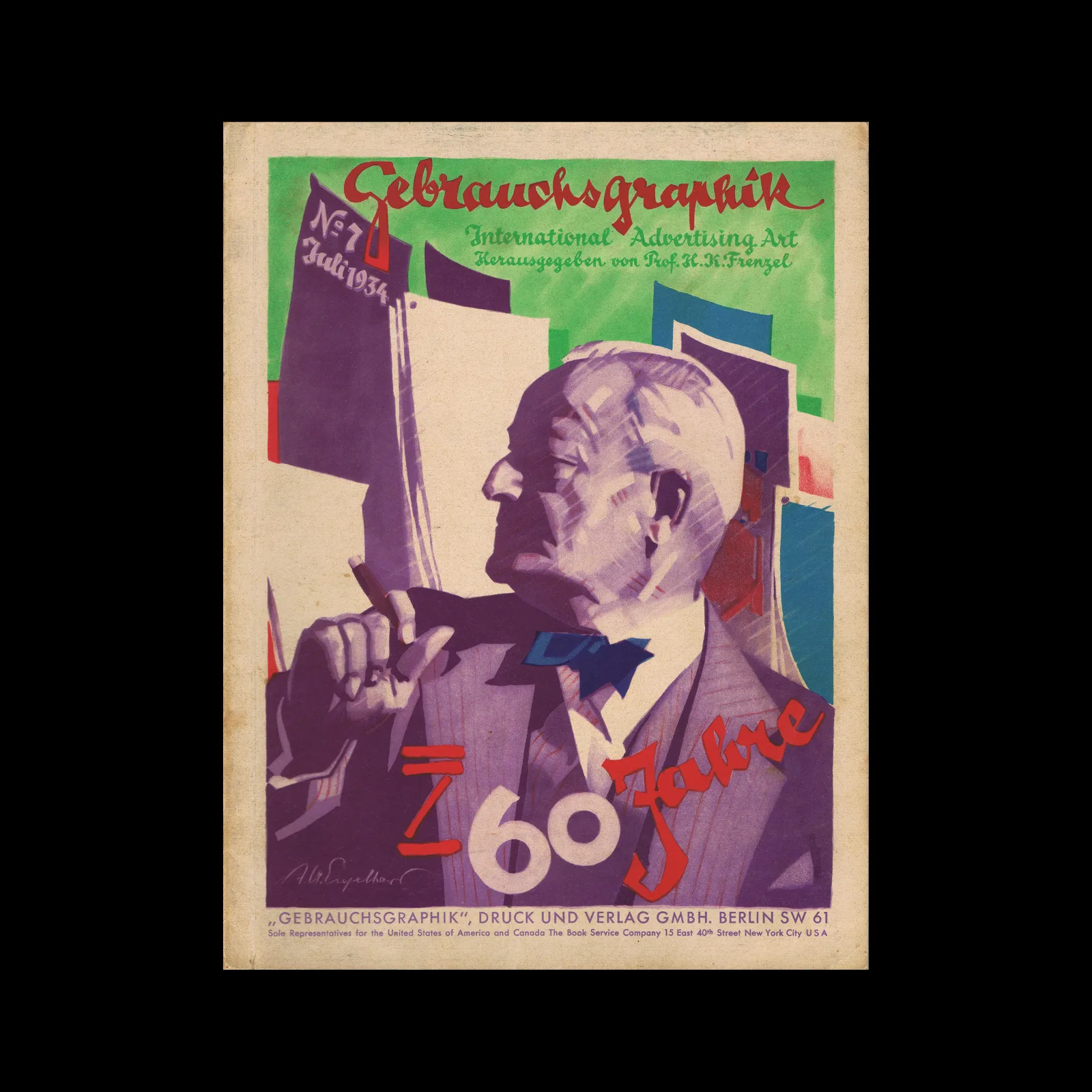
From the graphic design archive:
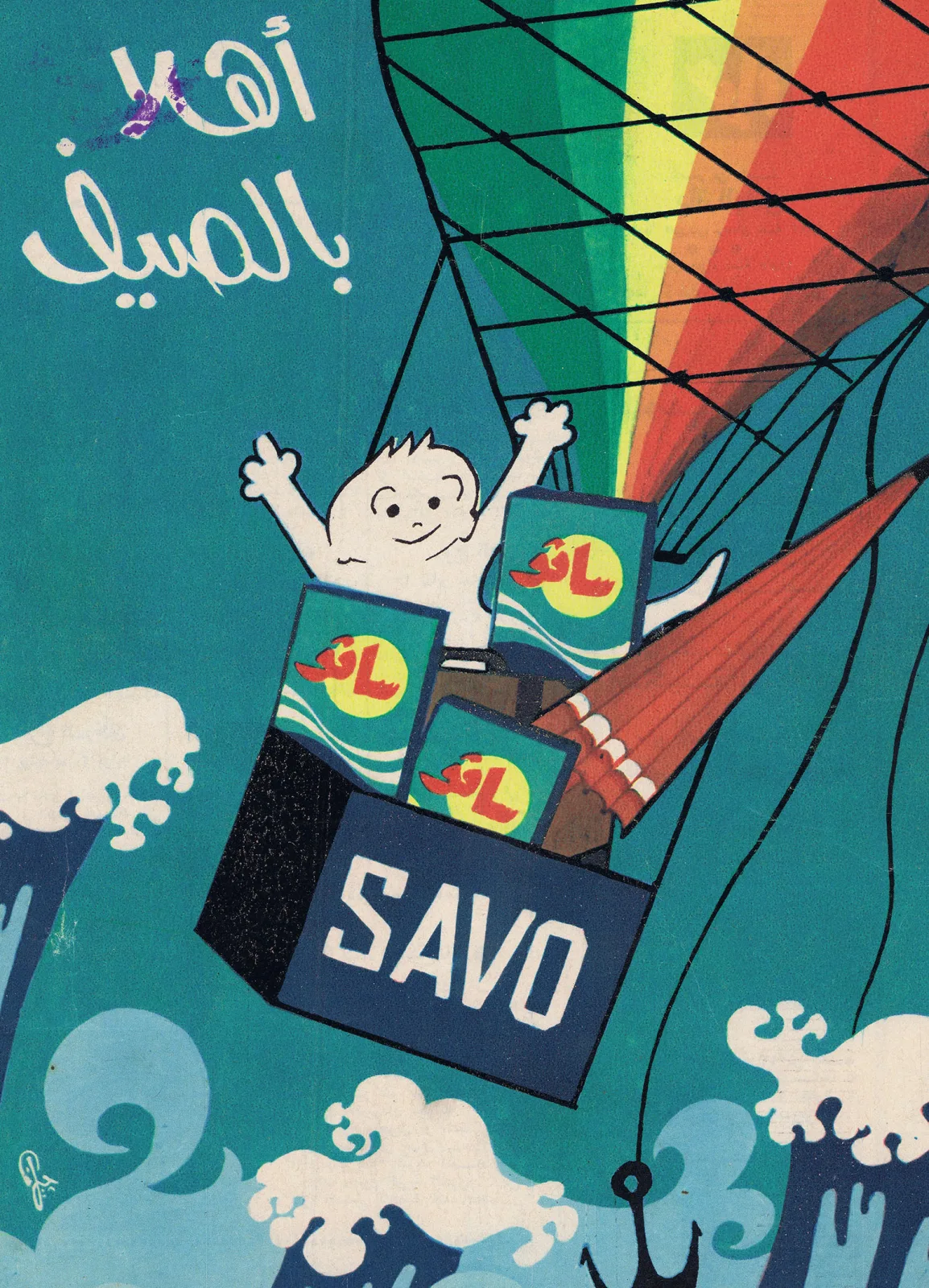
Advertising Design, Members Only Content, Regional Histories
Savo washing powder adverts from 1960s and 70s Egypt, with mascots, bold colour and Arabic lettering, documented from over 60 originals in the Design Reviewed archive.
Read Article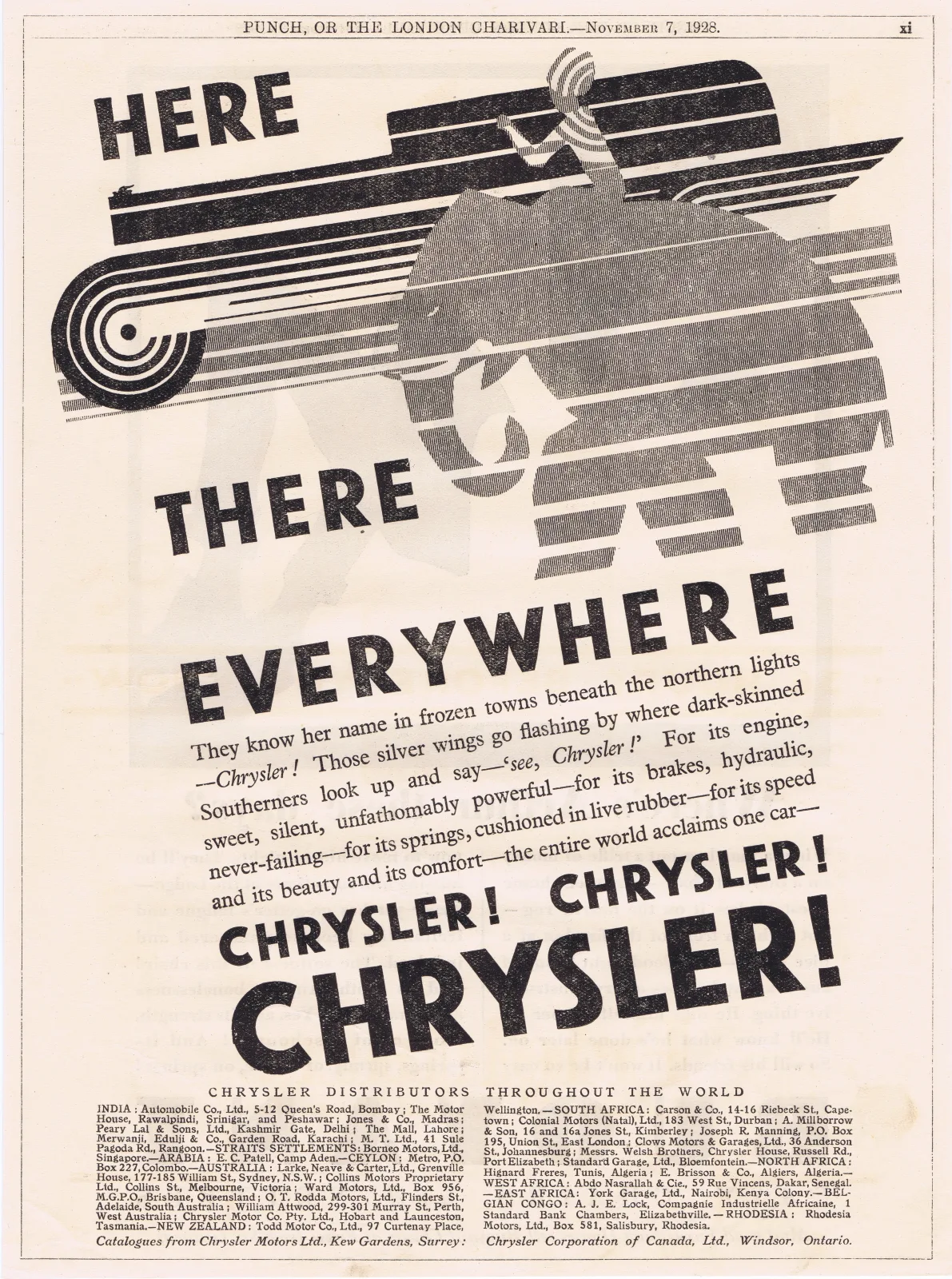
Advertising Design, Design Archive Feature, Members Only Content
Crawfords (W.S.Crawford Ltd), were an advertising agency in London that were first set up in 1914. Which due to the outbreak of the First World War, did not flourish and work on many advertising campaigns until 1920. ‘Advertising cannot be wholly an exact science. So much of it is dependent upon the creative inspiration of […]
Read Article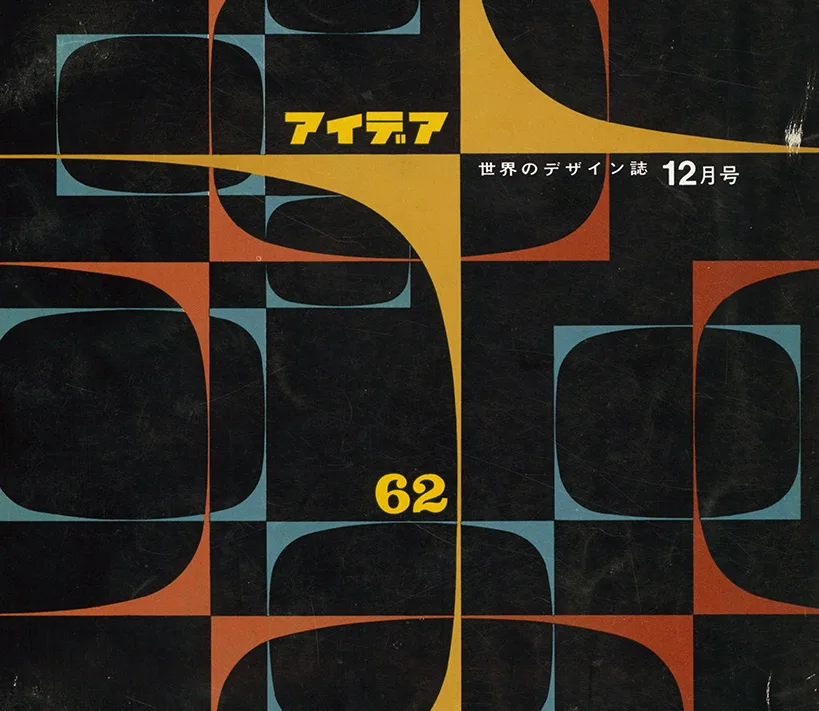
Magazines & Publishing, Members Only Content
The first 100 covers of Japan’s IDEA magazine, with designs by Hiroshi Ohchi, Paul Rand, Saul Bass, Josef Müller-Brockmann and Ikko Tanaka.
Read Article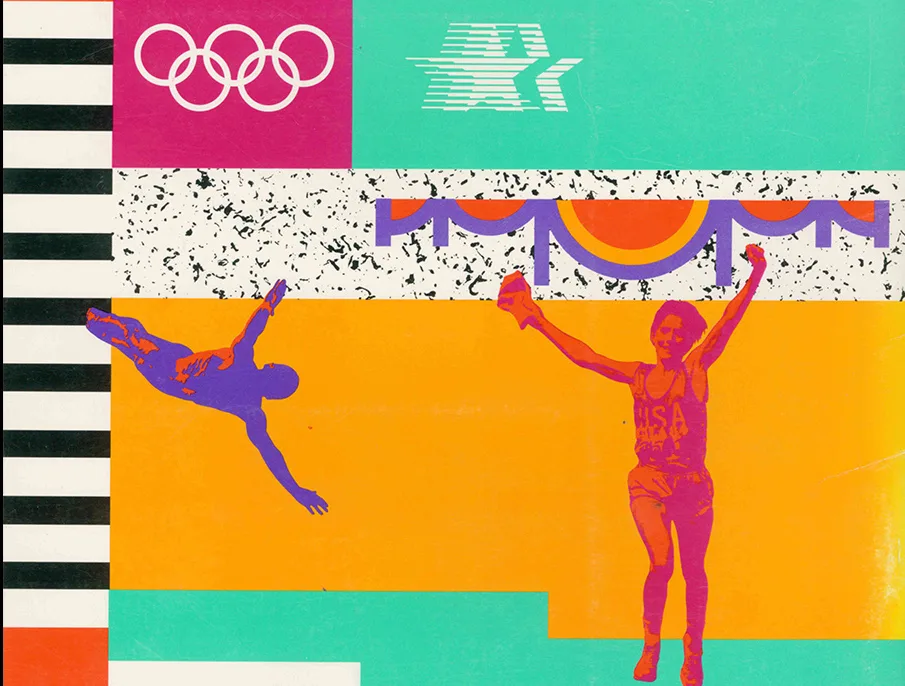
Paul Prejza, whose influential design firm, Sussman/Prejza, helped expand the boundaries of graphic design through its seamless integration with architecture and public space, died on September 21, 2026, at St. John’s Hospital in Santa Monica, California. He was 87. The cause was complications from pneumonia.
Read Article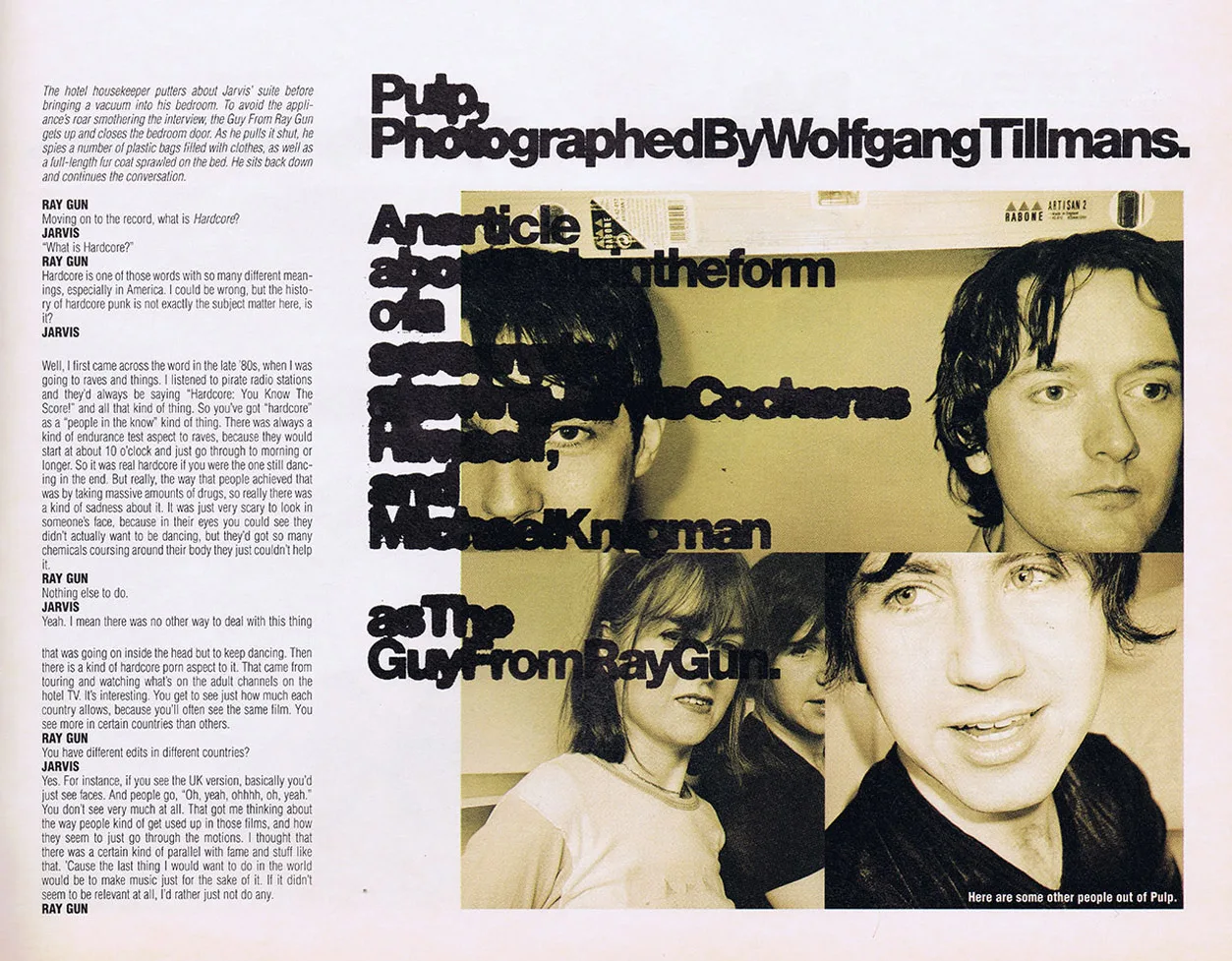
Magazines & Publishing, Design Archive Feature, Designer Profiles, Members Only Content
Most people know Raygun as David Carson’s magazine, but the story didn’t end when he left in 1995. This members article looks at Chris Ashworth, the designer who took over and brought a grid, a photocopier and a hands-on approach to the pages that followed.
Read Article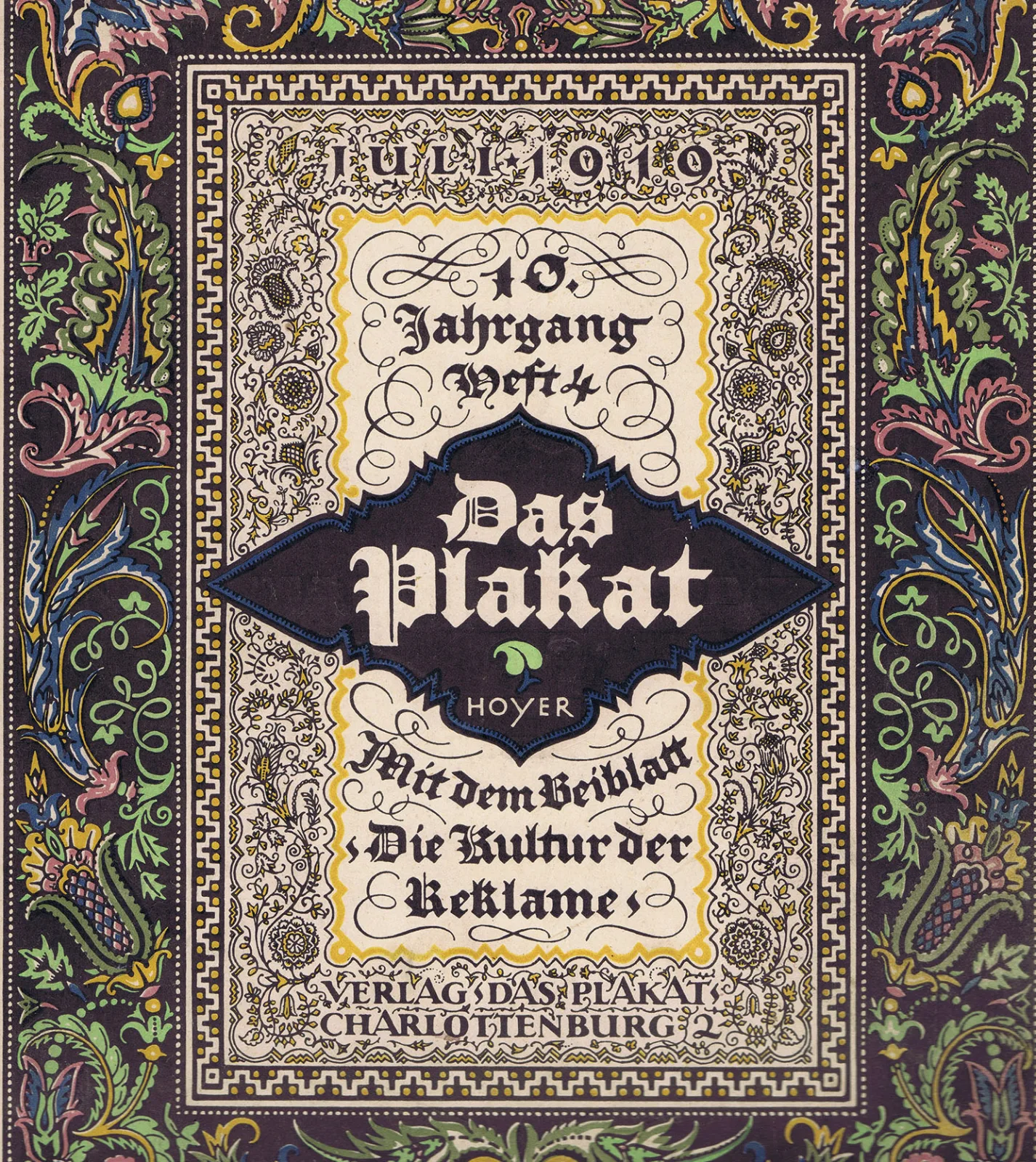
Design Translated, Designer Profiles, Members Only Content, Typography & Type Design
A 1919 article on Hanns Thaddäus Hoyer, originally in German, published in Das Plakat, Vol. 10, No. 4, July 1919.
Read Article