


From the graphic design archive:
From the graphic design archive:
From the graphic design archive:

From the graphic design archive:
Design Archive Feature, Designer Profiles, Members Only Content, Regional Histories
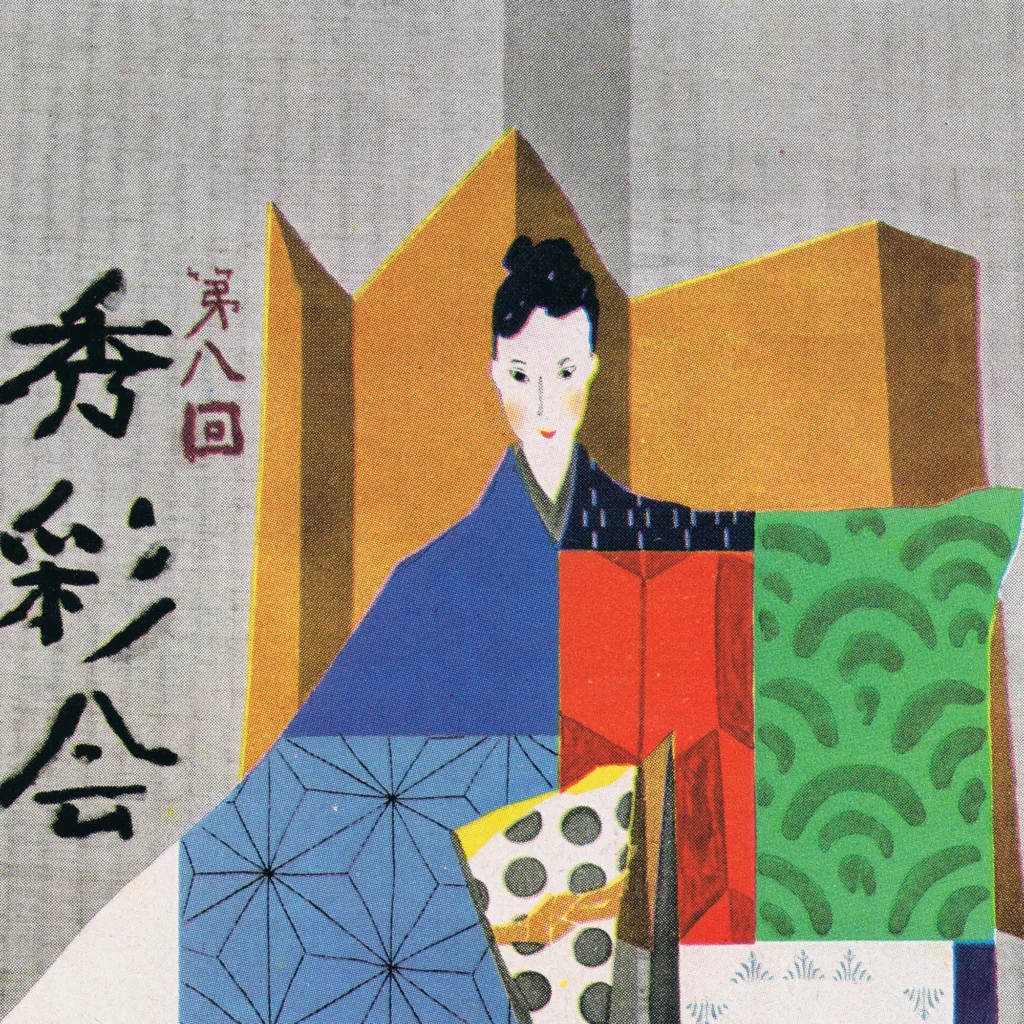
Yoshio Hayakawa was born in Osaka, Japan, in 1917 and became a leading designer and artist in postwar Japan. His work was a harmonisation of traditional Japanese art with Western art.
Read Article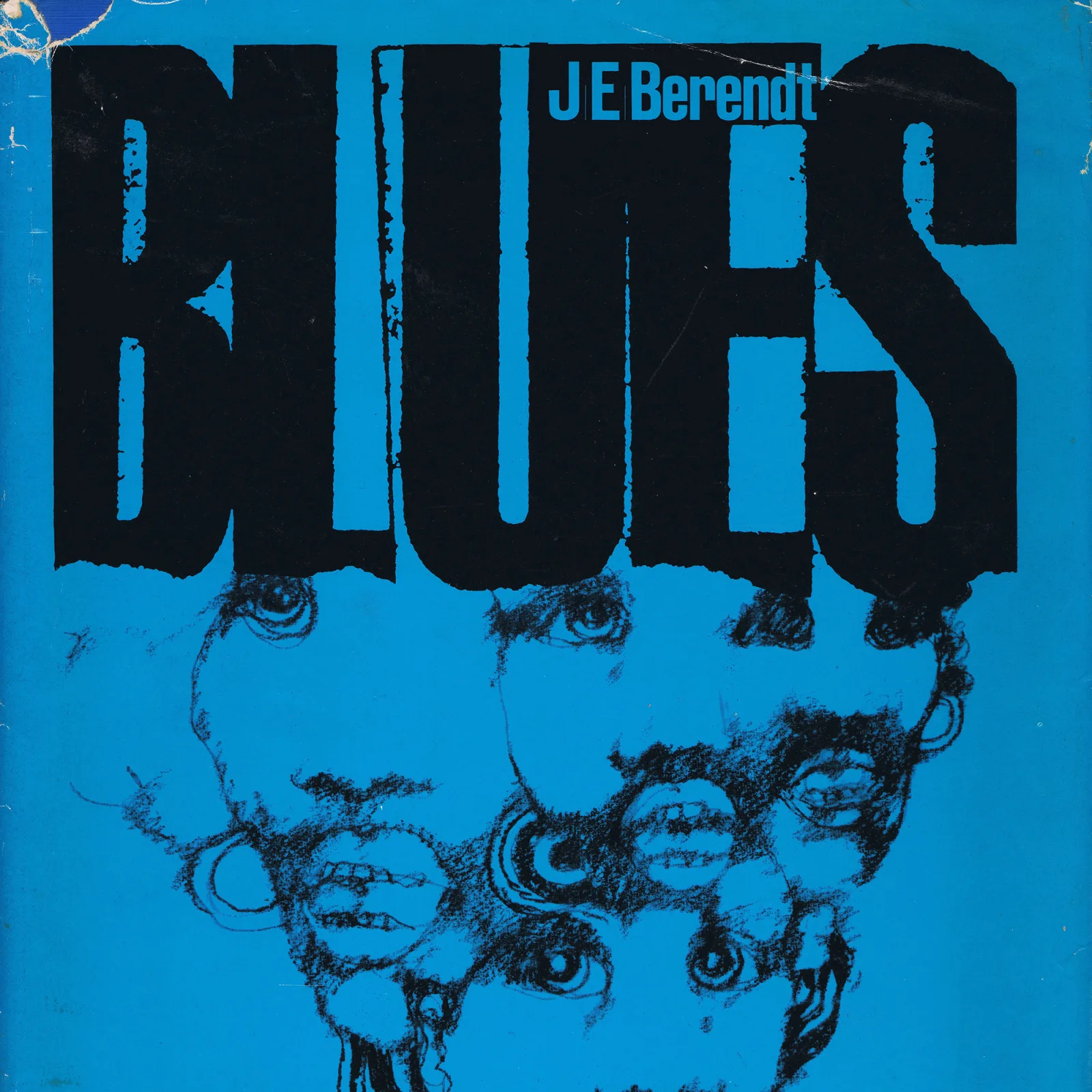
Design Archive Feature, Illustration, Members Only Content
An Anthology of Blues features a blend of typographic compositions and illustrations by Hans-Ulrich “Hazy” Osterwalder, alongside black and white photography, all working together in a limited palette of black and blue.
Read Article
Design Archive Feature, Magazines & Publishing, Members Only Content, Movements
Victorian Graphic Design left a mark on both British and American design history. In Britain, the ornate embellishments served as a symbol of prosperity and cultural values. Meanwhile, America embraced the combination of various design elements to navigate the complexities of a rapidly changing society driven by industrialisation and consumerism.
Read Article