

Magazines & Publishing, Members Only Content, Movements
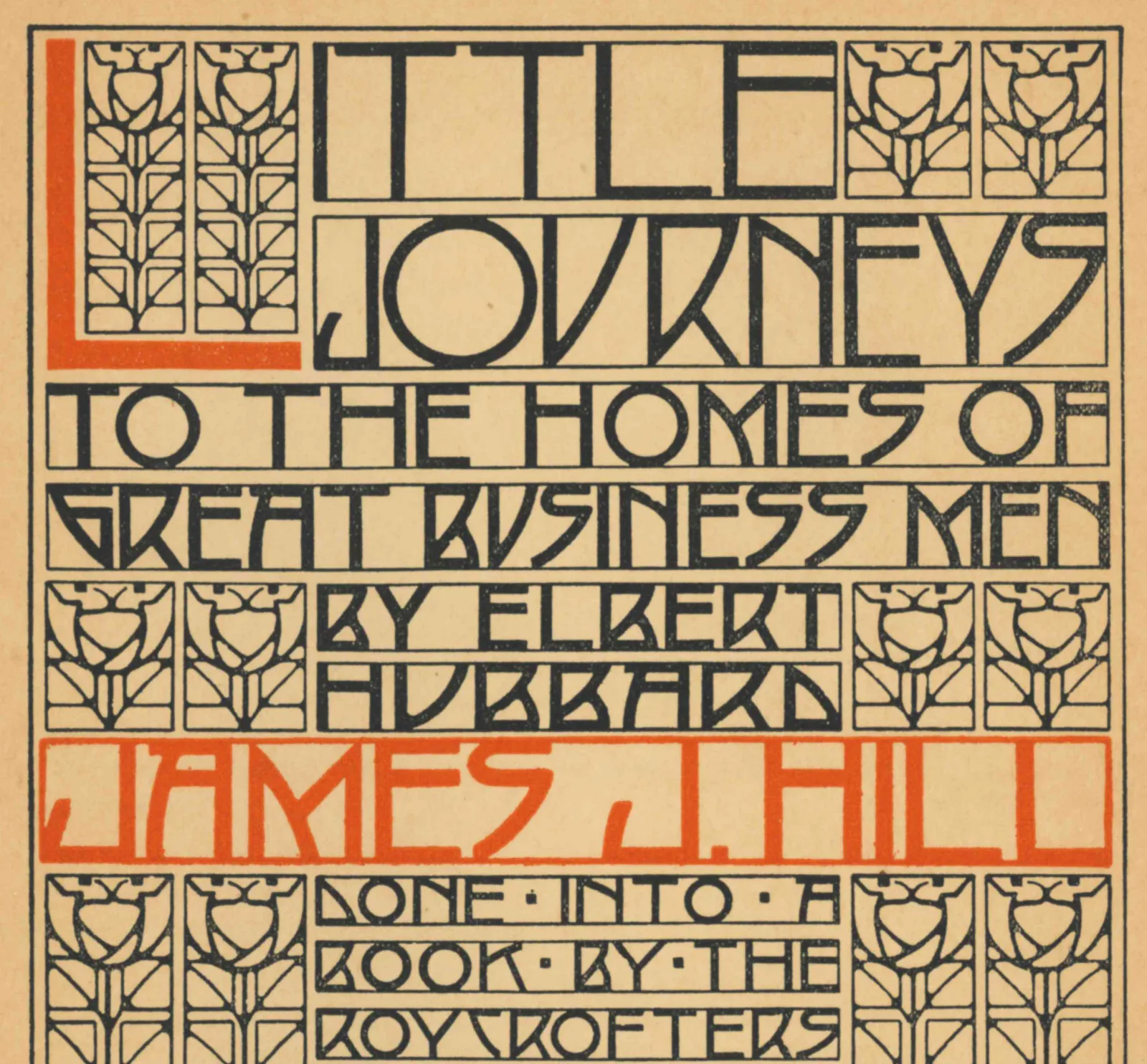
The Arts and Crafts movement, in particular its graphic design output is less documented than Art Nouveau and was primarily associated with Britain. Where Art Nouveau spread through international exhibitions and a shared decorative vocabulary that translated easily across posters, magazines and architecture, Arts and Crafts was rooted in British guilds, workshops and societies rather […]
Read Article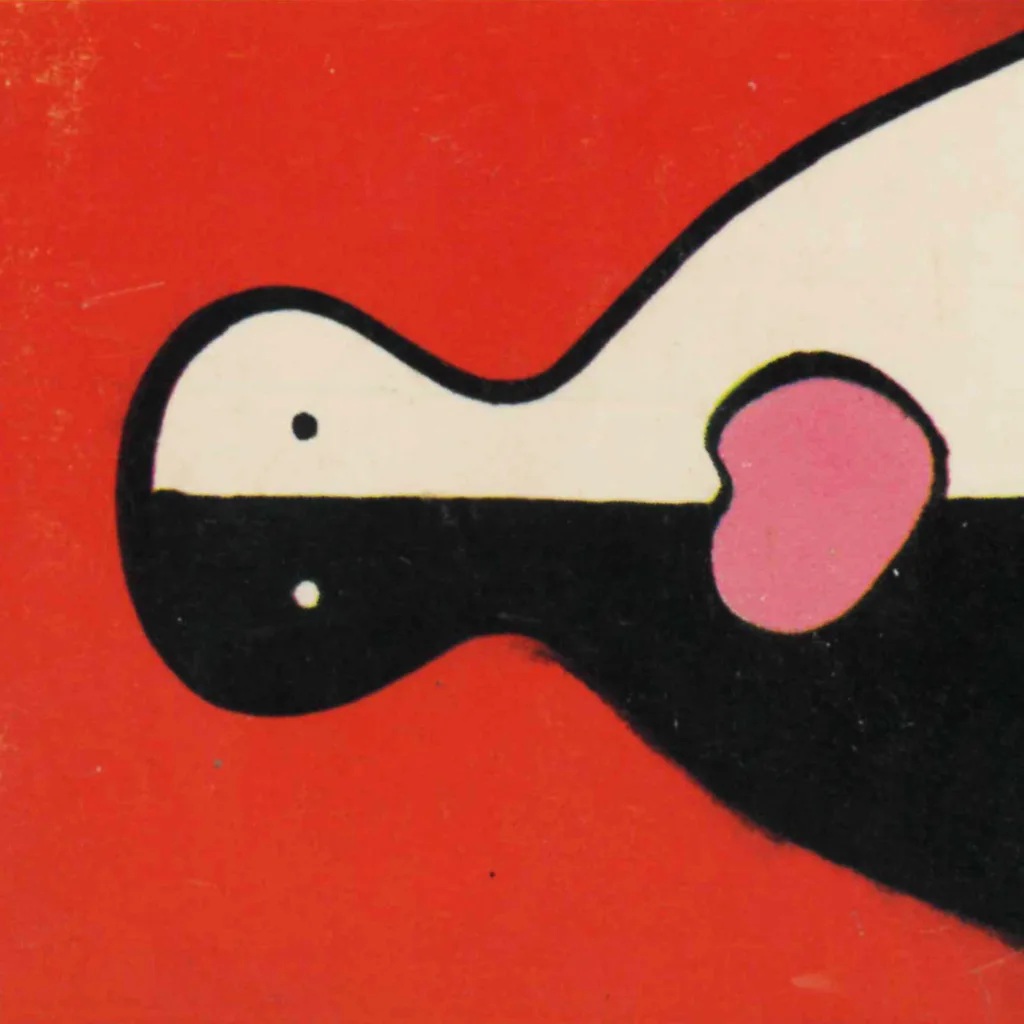
Design Archive Feature, Designer Profiles, Illustration, Members Only Content
"Heart: Anatomy, Function, and Diseases" (Dell, 1962), by Rudolf Hoffmann and illustrated by George Giusti, demonstrates how illustrations effectively convey complex and emotional topics whilst providing valuable information.
Read Article
Advertising Design, Design Archive Feature, Members Only Content, Regional Histories
Franco Grignani’s ability to push design boundaries with his clients is a testament to his artistic eye and talent. His work on Bellezza d’Italia remains a fantastic example of how design can elevate and transform pharma goods.
Read Article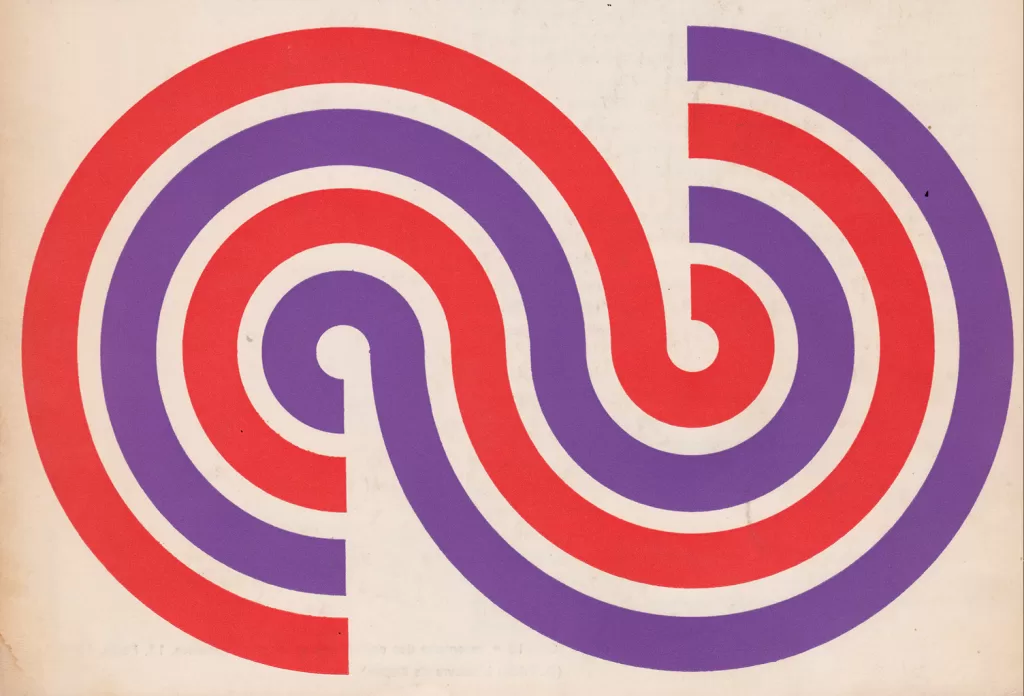
Corporate Identity & Branding, Design Archive Feature, Designer Profiles, Members Only Content, Regional Histories
Crouwel was the successor to Willem Sandberg who used an avant-garde approach in his work, utilising torn-paper montage, mixing of sans serif and old Egyptian typefaces and often off-center positioning. Crouwel steered away from this artistic approach and implemented a cohesive design system and a strong identity that emulated the corporate identity boom of the 1950s and 60s.
Read Article