Willem Sandberg is one of the most important graphic designers of the twentieth century, and one of the least known outside specialist circles.
Born in Amersfoort in 1897, he trained as a typographer and went on to become director of the Stedelijk Museum in Amsterdam from 1945 to 1963. In that role he transformed the Stedelijk and produced hundreds of exhibition catalogues.
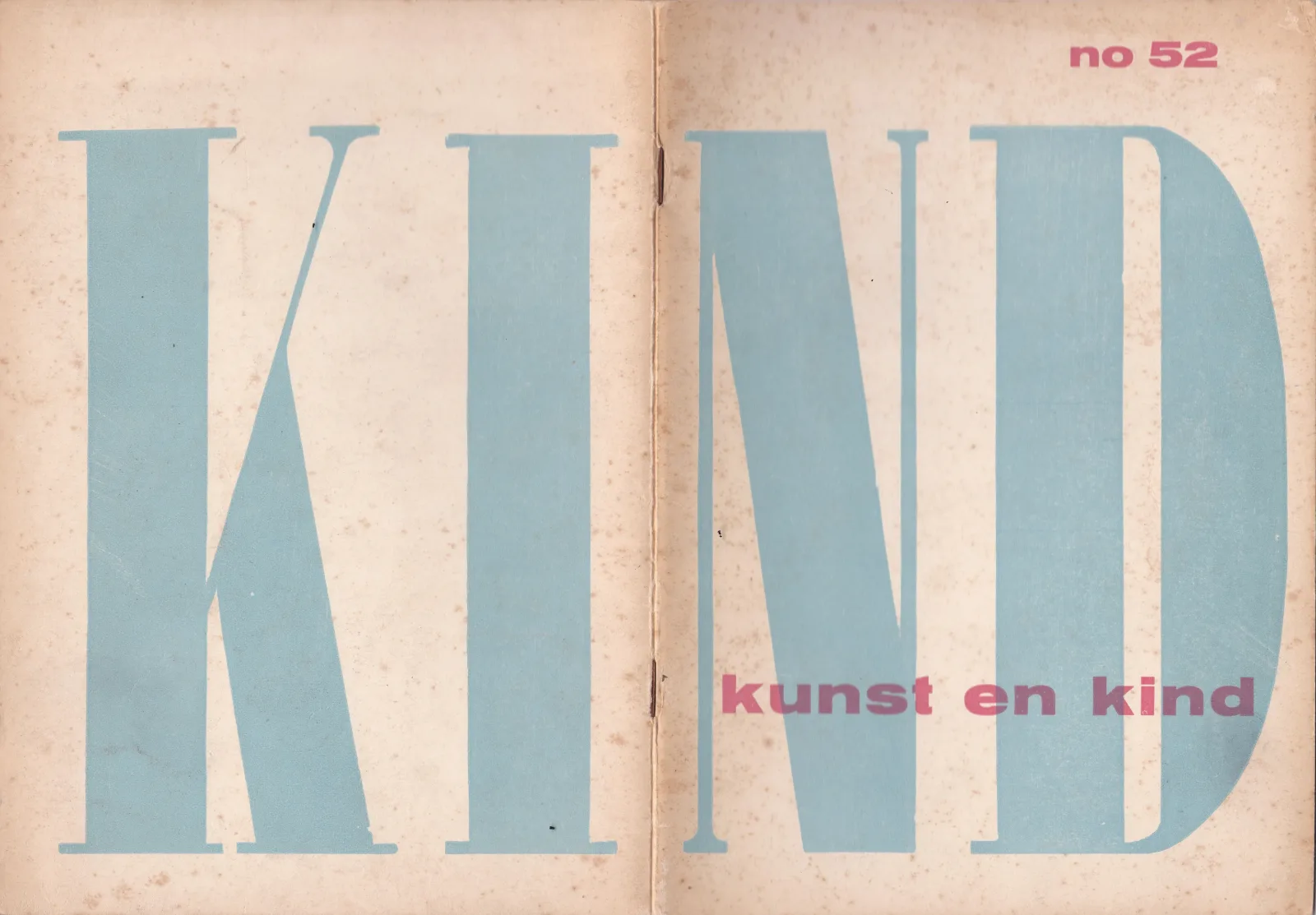
His Experimenta Typografica series, produced between 1943 and 1970, are typographic experiments on torn paper, in extreme weights and sizes, often using found type. They were made partly as a form of resistance. Sandberg was active in the Dutch resistance during the German occupation, forging identity documents for Jews in hiding.
His Stedelijk catalogues were unlike anything else being produced at the time. Rough, gestural, and deeply typographic, they used torn edges, bold sans-serif type, and strong colour in ways that felt simultaneously urgent and playful. They remain deeply influential on Dutch graphic design today.