Wolfgang Weingart, German Designer, 1941–2021

DESIGNER FRIDAY

Wolfgang Weingart, German Designer, 1941–2021

Issue: 14
The designer who pioneered ‘New Wave’ Swiss design.

Share:

Born: 1941
Died: 2021
Nationality: German

Wolfgang Weingart was a German graphic designer, author and teacher known for his ‘New Wave’ Swiss aesthetic.

Weingart studied at Merz Academy, Stuttgart, Germany. After his studies, he started a three-year apprenticeship at Ruew Prinint in Stuttgart, working as a typesetter. Whilst at the firm, a former student of Armin Hofmann’s named Karl-August Hanke convinced Weingart to study at the prestigious Basel School of Design, Switzerland.

He enrolled and in 1964 began studying at the School, although his first reactions to the teachings of Emil Ruder and Armin Hofmann were negative, and he felt Swiss design to be too structured and rigid. However, as he immersed himself in the work, he began to appreciate the precision and discipline that characterised Swiss design principles.

Weingart later became a teacher at the School (1968) and his aim was to follow the tradition and philosophy of Basel School of Arts, whilst challenging the rules. Whilst teaching he regularly designed covers for Typographische Monatsblätter, collaborating with editor Rudolf Hostettler, and designed many posters for both cultural institutions and education.

His work explored and dissected Swiss typography and experimented with texture and type. His layered montages gave a sense of dynamic kinetic energy and were more maximalist than the minimalist work of his teachers. His work challenged the established norms and his New Wave/Swiss Punk style became its own style.

Explore related designers, including Emil Ruder and Hans-Rudolf Lutz. See also New Wave, Swiss graphic design history, and 1970s graphic design history.

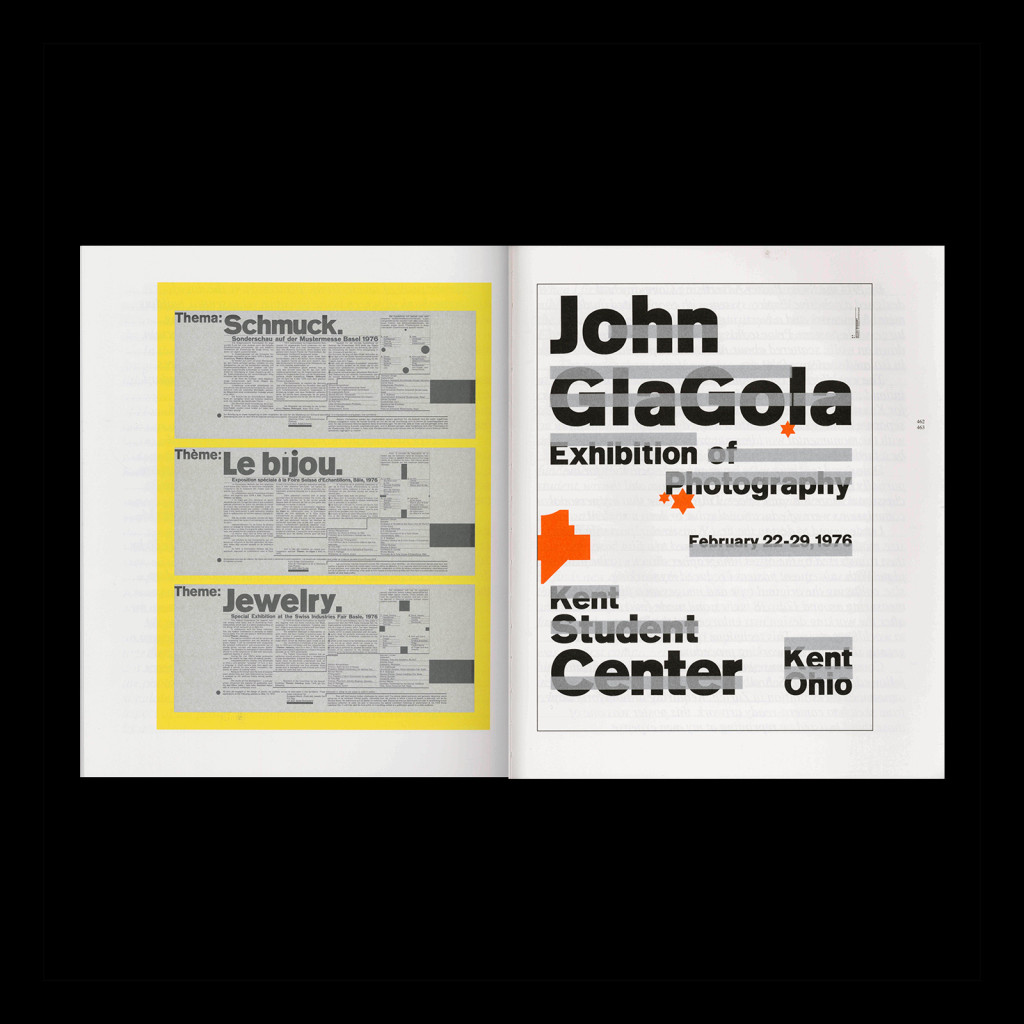
Typographische Monatsblätter, 12, 1972. Design by Wolfgang Weingart
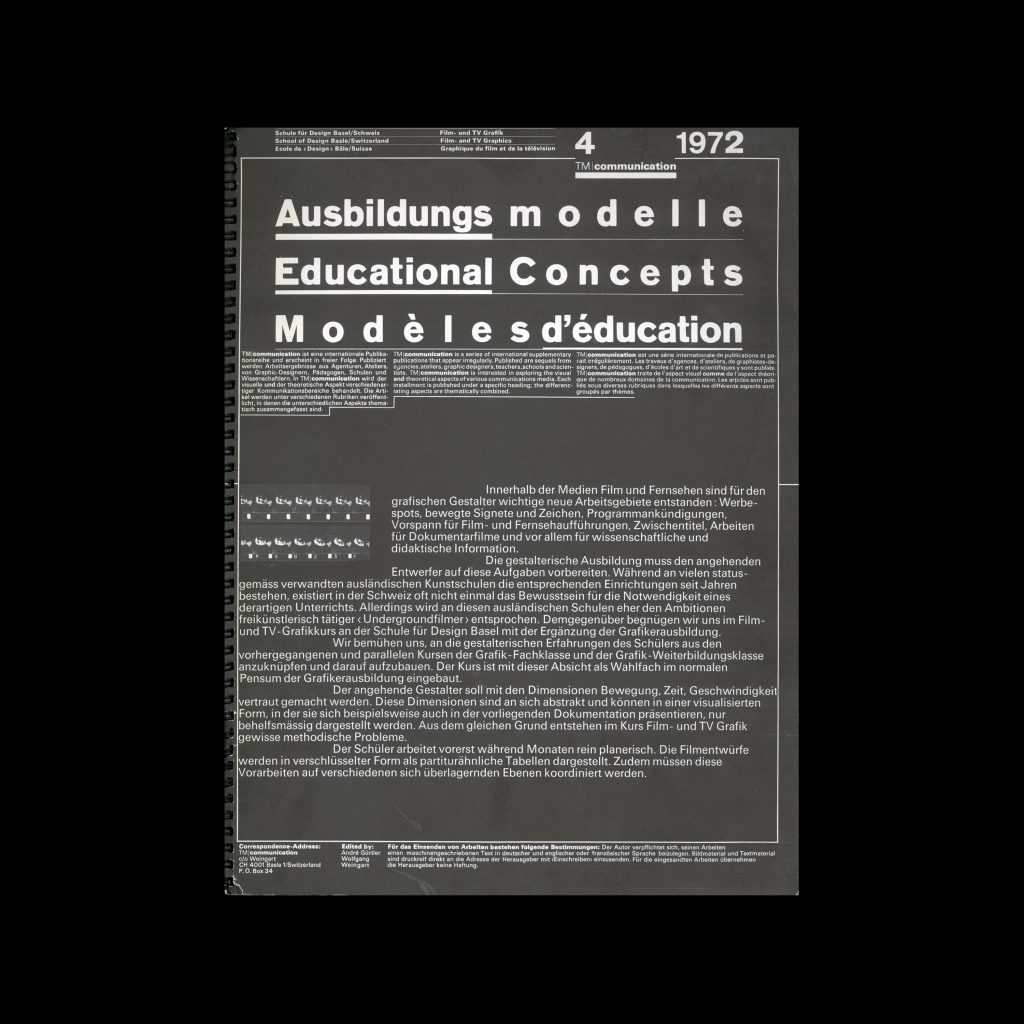
Typografische Monatsblätter Communication, 4, 1972. Design by Wolfgang Weingart
Typografische Monatsblätter Communication, 12, 1977. Design by Wolfgang Weingart
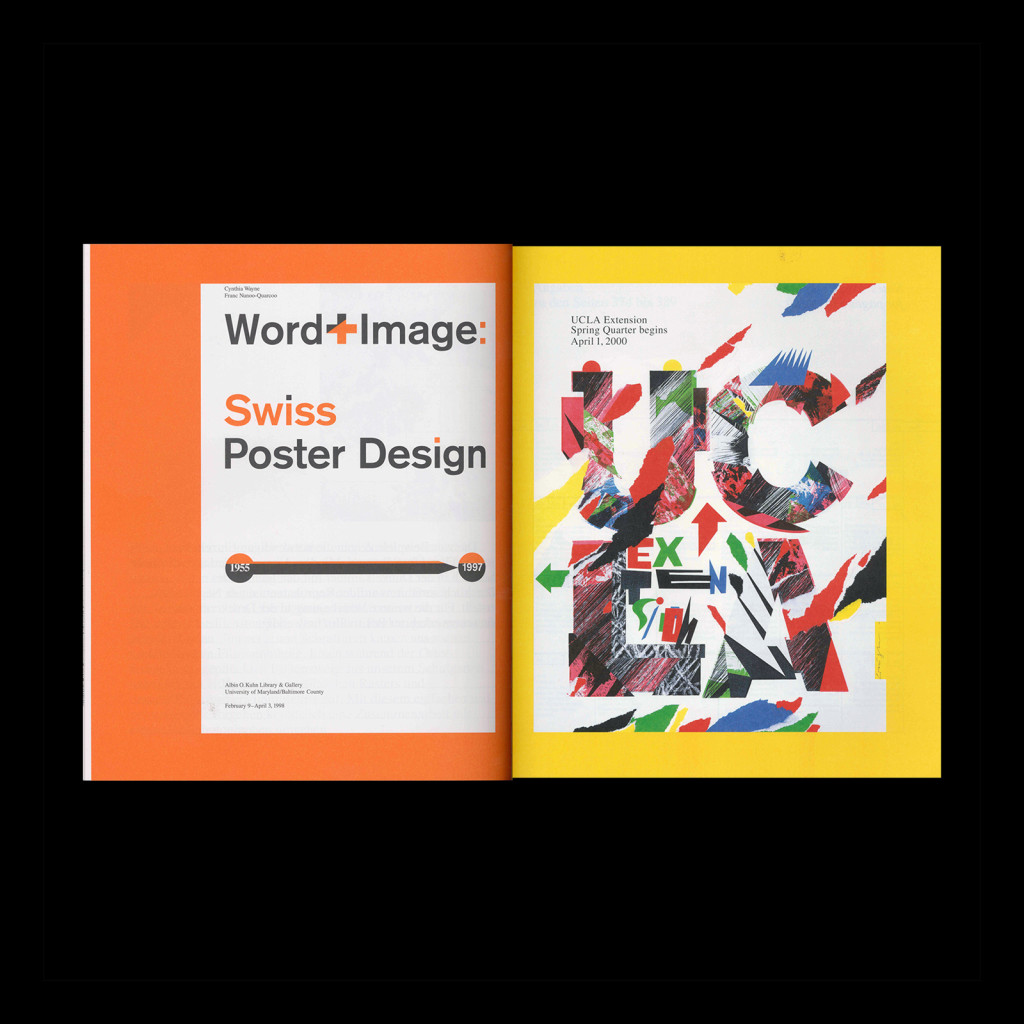
Weingart, Typography - My Way to Typography, Lars Muller Publishers, 2014
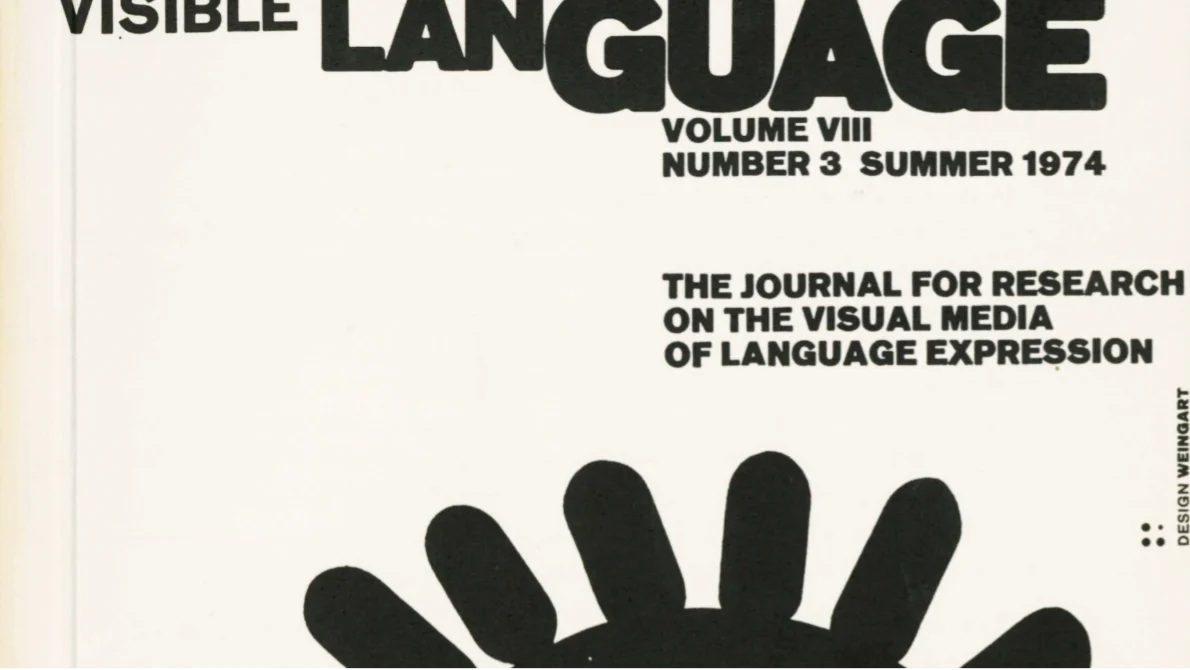
Typografische Monatsblätter, 3, 1979, Cover design by Wolfgang Weingart and Lauralee Alben
Wolfgang Weingart

Wolfgang Weingart

Weingart was German graphic designer, author, and teacher, known for pioneering the ‘New Wave’ Swiss aesthetic in graphic design. He experimented with graphic design and typography using the school’s printing press and enrolled at Basel School of Design, Switzerland, in 1964.

Explore the Design Reviewed archive to discover artefacts connected to Wolfgang Weingart's radical approach to typography. The Swiss Modernism section captures the tradition he both absorbed and deliberately disrupted, while the Postmodernism movement collection reflects the direction his experiments pointed toward. Browse the Switzerland archive and the 1970s and 1980s decade pages to find work from the period in which his influence on international typography was at its height.

More info about Wolfgang Weingart

Related Items from the Archive
More graphic design history articles

Members Content

A 1903-1904 article on Die Steglitzer Werkstatt, originally in German, published in Deutsche Kunst und Dekoration, Vol. XIII, October 1903–March 1904.

Members Content

Publimondial was founded André Roulleaux in 1942 and remained in circulation until 1960. The French journal was published by Art et Publications and was subtitled ‘The Magazine of Graphic Arts and Advertising Technique’.

Members Content

The Bauhaus approach to design emphasised simplicity, functionality, and the integration of modern technologies and materials. A century later, many of the principles taught at the school remain fundamental to contemporary design practices.

Members Content

The best poster designs from Die besten Plakate des Jahres 1956 with a translated foreword by Jakob Rudolf Welti. Featuring the work of Herbert Leupin, Carl B. Graf, Carlo Vivarelli and Emil Ruder.