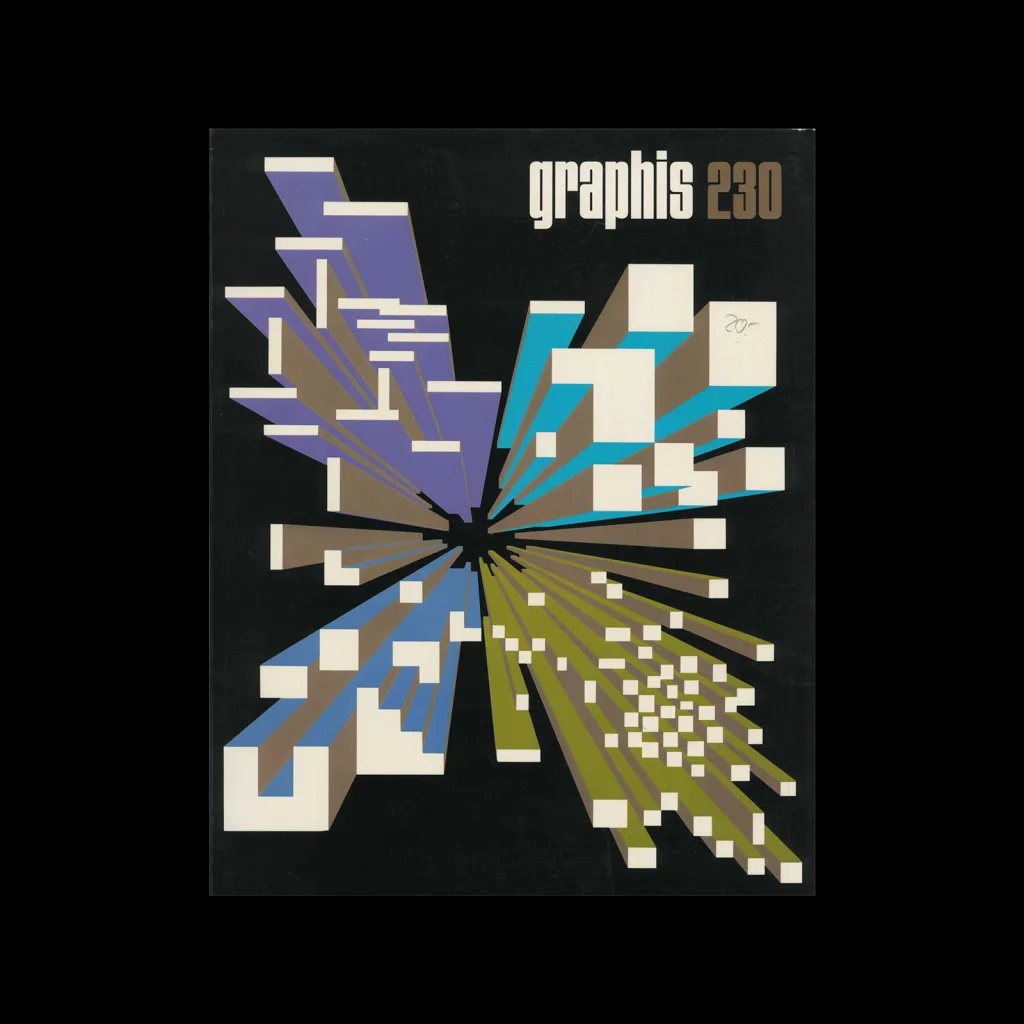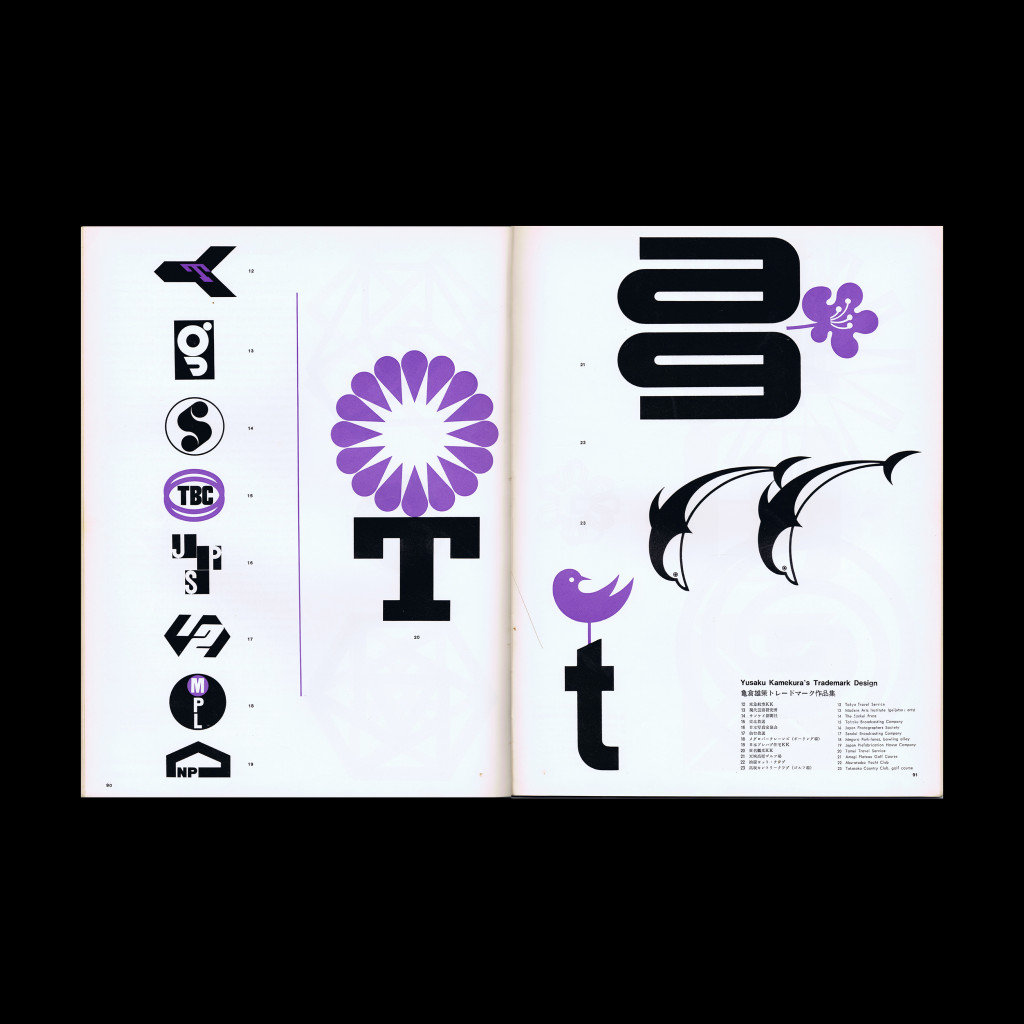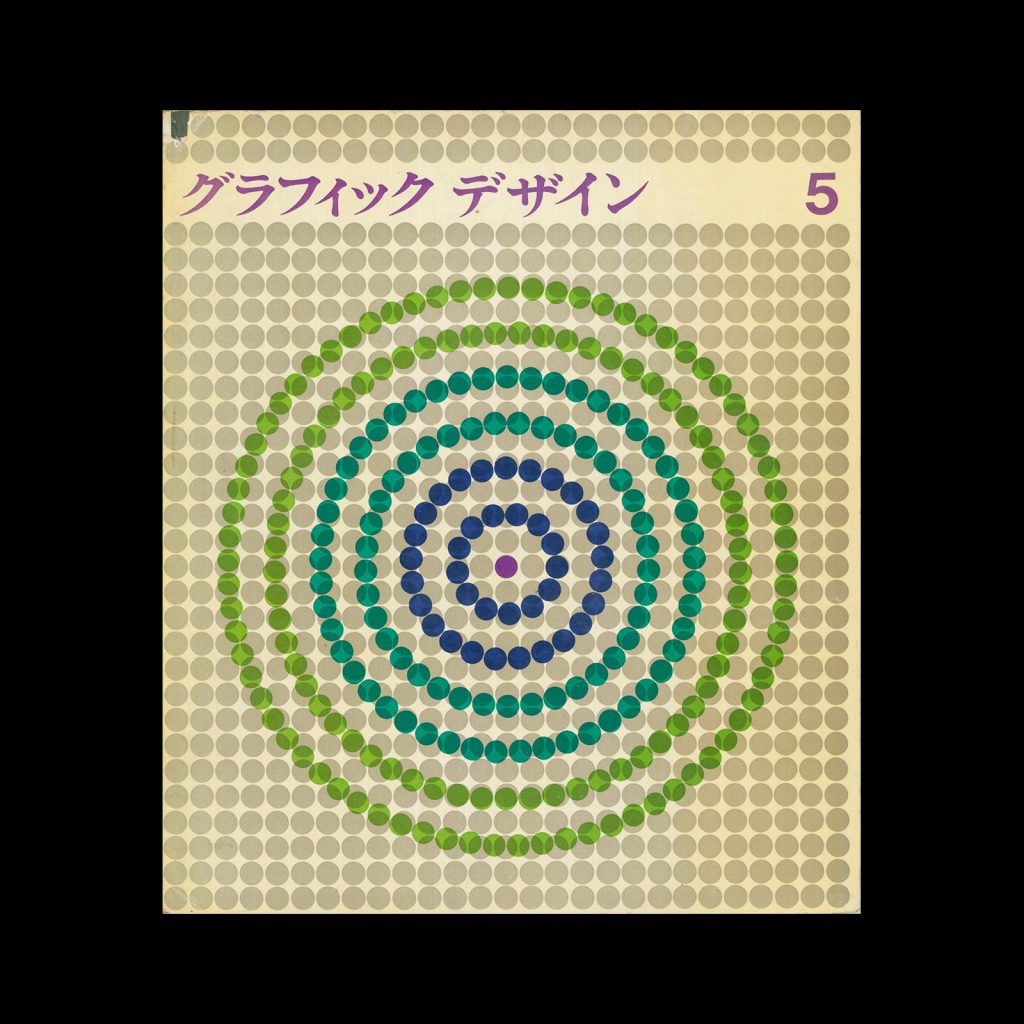
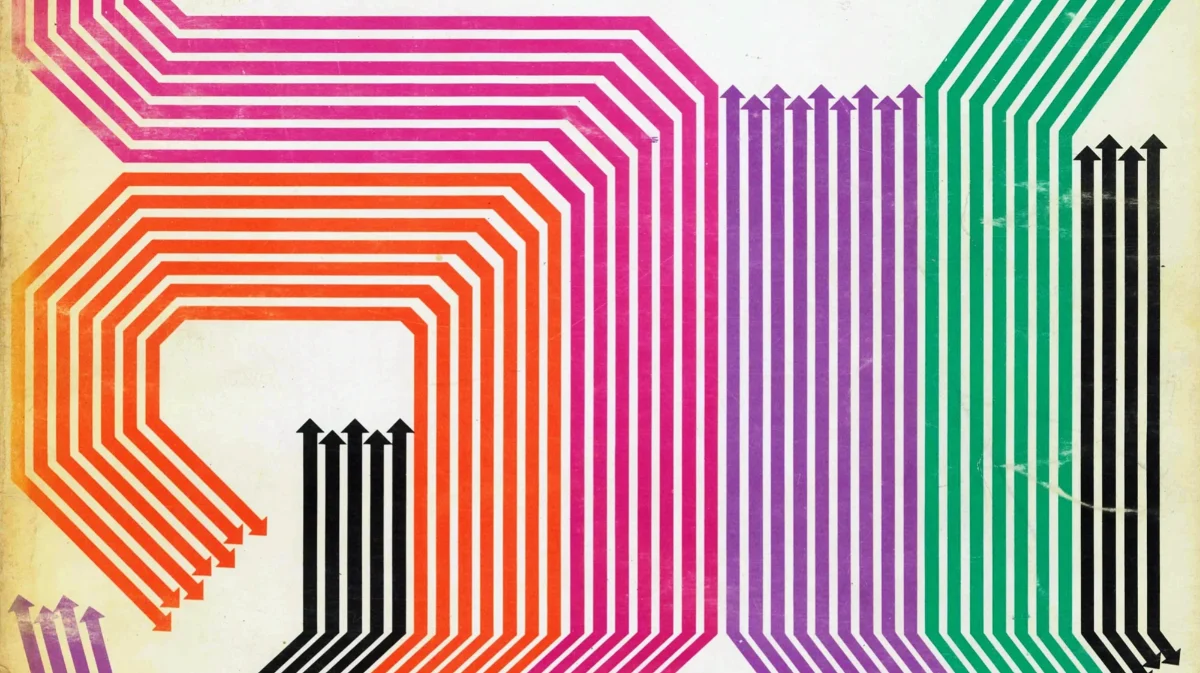
Yusaku Kamekura (1915–1997) was one of the most prolific Japanese graphic designers. From 1935 to 1938, he studied at the Institute for Contemporary Architecture and Industrial Arts in Tokyo, a private school founded by Kawakita Renshichirō to introduce Bauhaus design concepts to Japan.
In 1938, Kamekura began working as an art director for a couple of Japanese magazines, including Nippon, Kaupapu and Commerce Japan. In 1951, he co-founded the Japan Advertising Arts Club and participated in the influential Graphic ’55 exhibition in 1955 alongside renowned Japanese designers Yoshio Hayakawa, Takashi Kono, Ryuichi Yamashiro and Tadashi Ohashi.
Kamekura had a long list of clients and as well as cover designs, he worked across logo and brand design, packaging, book design, and other printed matter, but he is particularly known for his poster design. His clients included Nikon, the Tokyo 1964 Olympics, Meiji, Shell, Expo ’70 and Fuji Bank. He often used strong simple compositions and motifs, and in his later years he experimented with photography in his designs.
His work for the 1964 Tokyo Olympics established a new visual identity for Japan which combined modernist clarity with national symbolism. Across posters, publications, and identity work, Kamekura helped define the direction of postwar Japanese design.