
From the graphic design archive:
From the graphic design archive:

From the graphic design archive:

From the graphic design archive:

Advertising Design, Design Archive Feature, Members Only Content, Regional Histories
Franco Grignani’s ability to push design boundaries with his clients is a testament to his artistic eye and talent. His work on Bellezza d’Italia remains a fantastic example of how design can elevate and transform pharma goods.
Read Article
Design Archive Feature, Members Only Content, Poster Design, Regional Histories
One of the main features in Gebrauchsgraphik 08, 1963 is focused on the 1962/63 annual poster awards in Germany. Over twenty posters were awarded by the Association of German Commercial Artists.
Read Article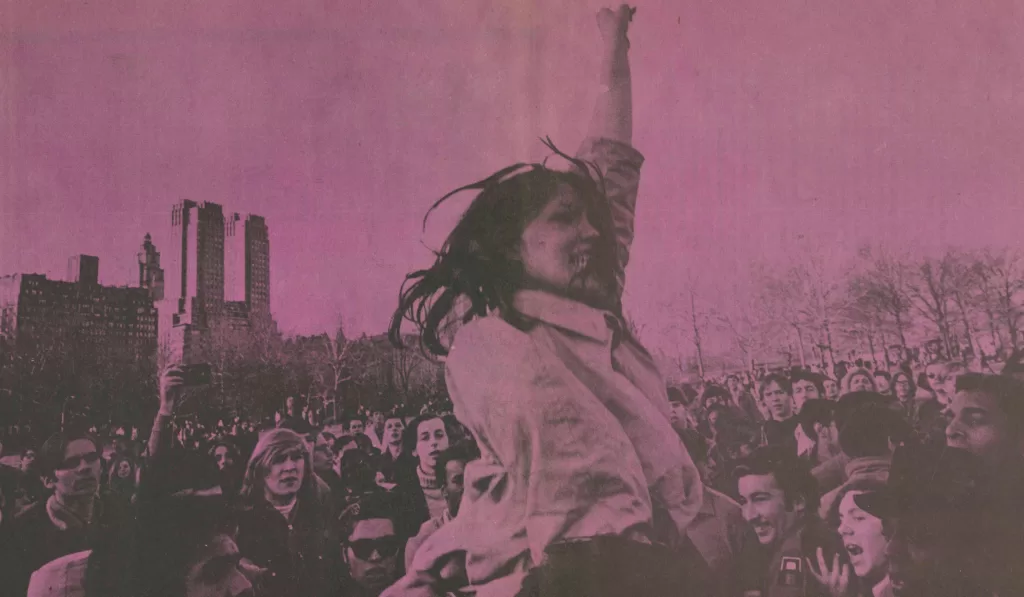
Design & Politics, Design Archive Feature, Members Only Content, Movements, Regional Histories
The 1960s was an era characterised by political, social, and cultural shifts. The counterculture movement emerged as a response to the perceived failures of the mainstream establishment, sparking a wave of activism and alternative ideologies. And with these an array of printed matter. Counterculture publications, often referred to as the "underground press," became powerful platforms for dissent, expression, and the exploration of new ideas.
Read Article